East Bay Tech Hub
About Fremont, CA
Welcome to Fremont, a Bay Area city where five historic communities meet Silicon Valley employers and open-space trails climb toward Mission Peak.
Fremont sits in the East Bay, at the southern end of San Francisco Bay where the urban core gives way to the foothills of the Diablo Range. It is the fourth-most-populous city in the Bay Area, behind San Jose, San Francisco, and Oakland, with roughly 230,000 residents across Alameda County. The city was incorporated in 1956 from five older towns — Centerville, Niles, Irvington, Warm Springs, and Mission San Jose — and those communities still define Fremont's identity. Each retains a distinct historic district and its own commercial core, so Fremont feels less like a single downtown-centered suburb than a federation of small towns strung along the bay's eastern shore. The economy is anchored in technology and advanced manufacturing, with employers clustered along the Warm Springs corridor near the BART station and adjacent to Silicon Valley. That industrial and office base has drawn a young, international workforce, and Fremont is among the most culturally diverse cities in the Bay Area. The Mission San Jose district carries a long-standing academic reputation, while the Warm Springs district has emerged as the city's growth engine, pairing new housing with rail-connected employment. Residential life spans older bungalows in Niles, established mid-century neighborhoods, and newer subdivisions near Warm Springs and the hills. Central Park and Lake Elizabeth anchor recreation in the geographic center of the city, and Mission Peak's 2,520-foot summit, reached from trails in the regional preserve, has become an emblem of Fremont's outdoor culture. For people relocating to the Bay Area, Fremont offers a practical balance. Strong public schools, a direct BART link to San Francisco and San Jose, and easy access to East Bay open space combine in a city that suits commuters who want suburban-scale neighborhoods, highly regarded schools, and proximity to both tech job centers and the hills.

MARKET SNAPSHOT
The Market at a Glance
How homes have been selling here over the last 90 days.
Price & Sales History
Market data reflects closed sales over the last 90 days and is provided for informational purposes.
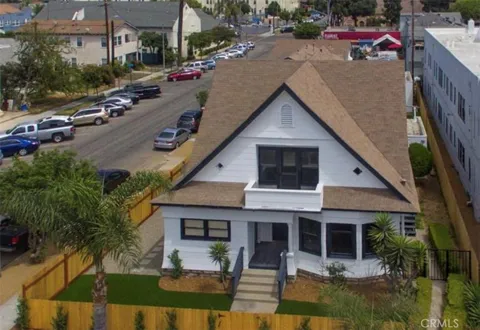
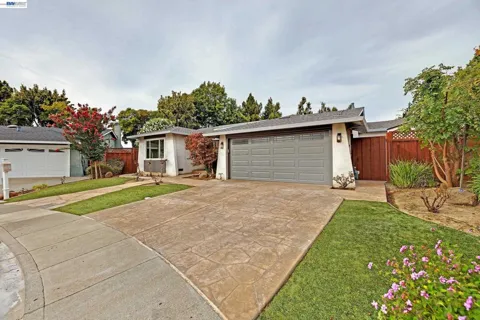
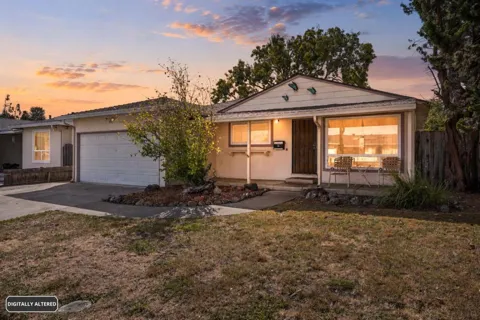
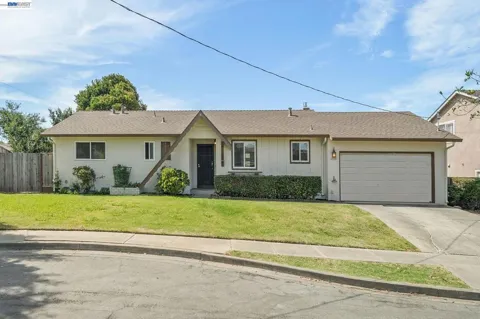
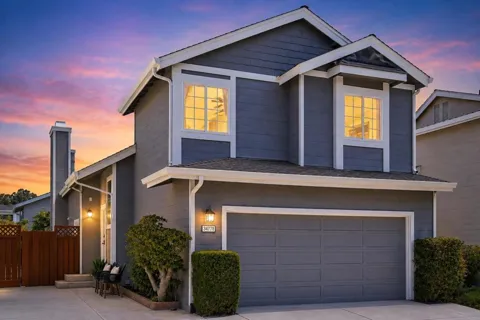
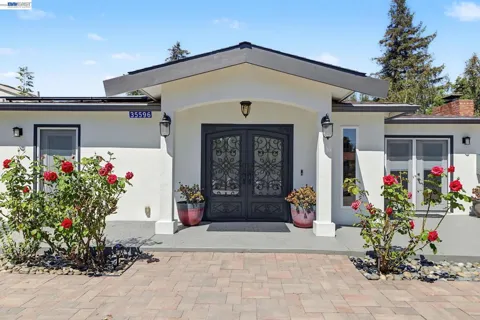
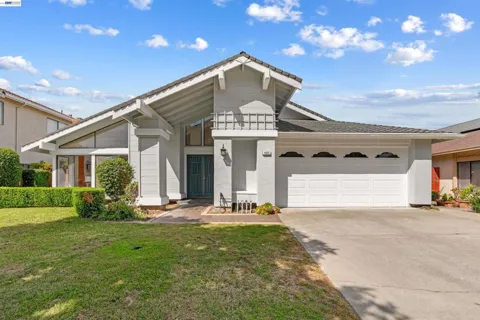
For sale
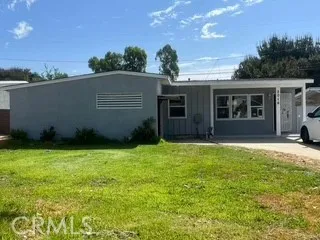
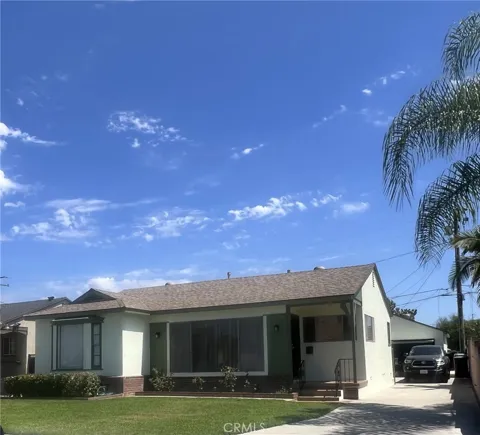
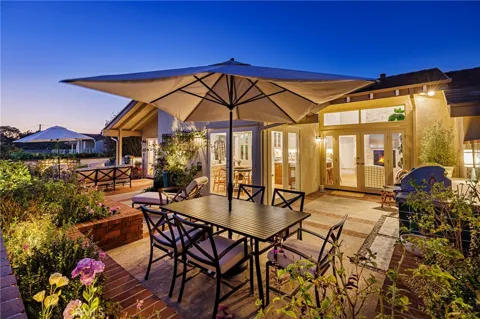
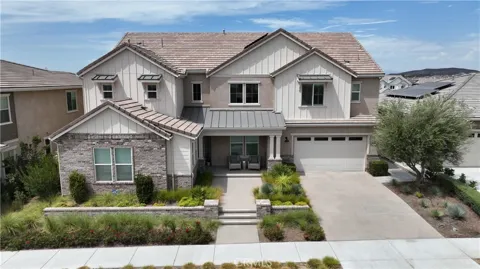
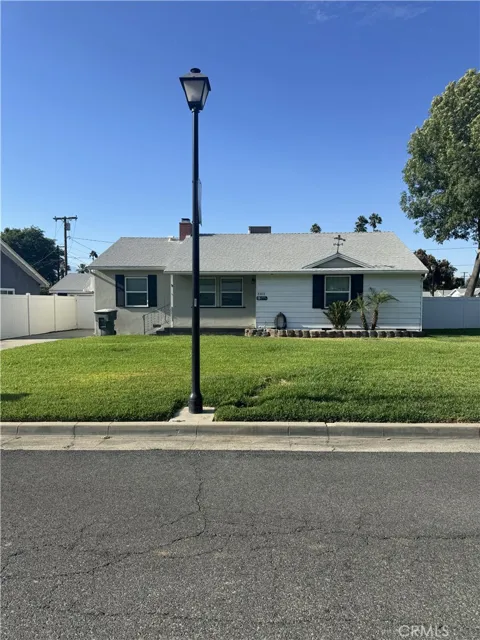
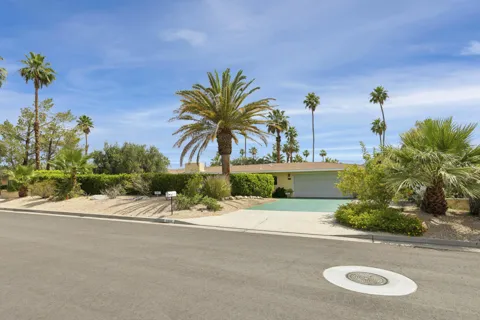
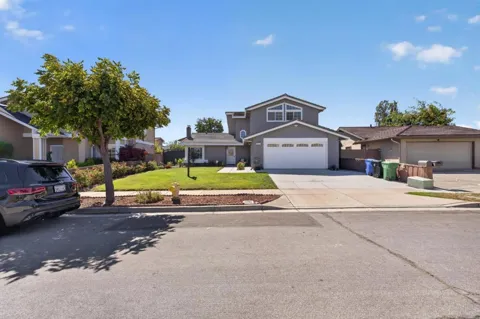
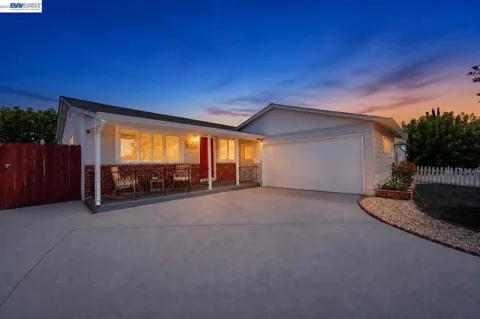
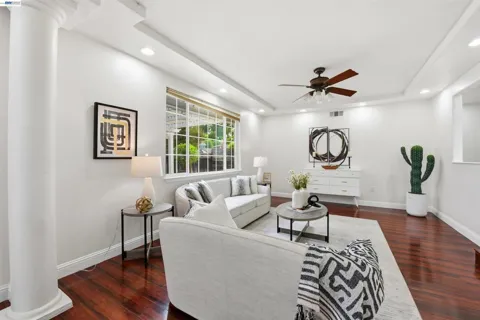
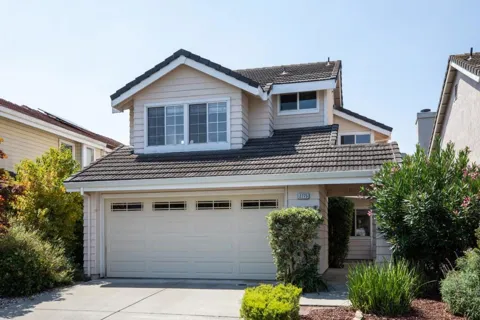
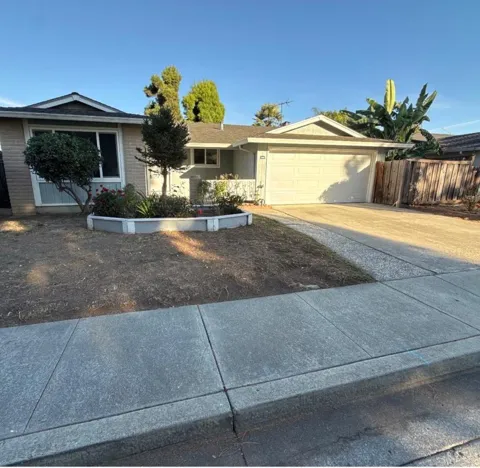
Houses in Fremont, CA
Handpicked properties hitting the scene in your area.
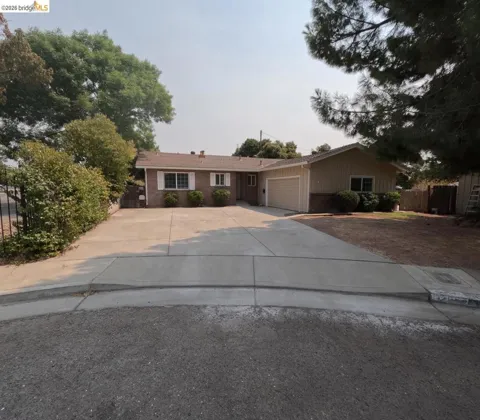
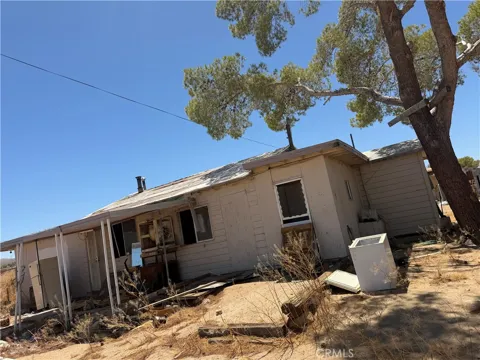
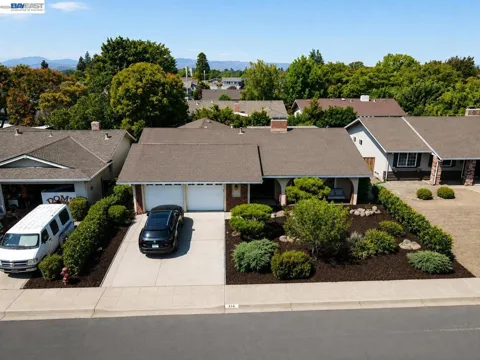
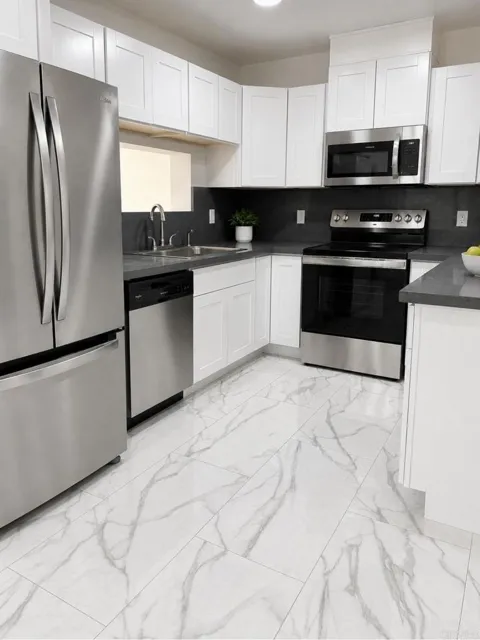
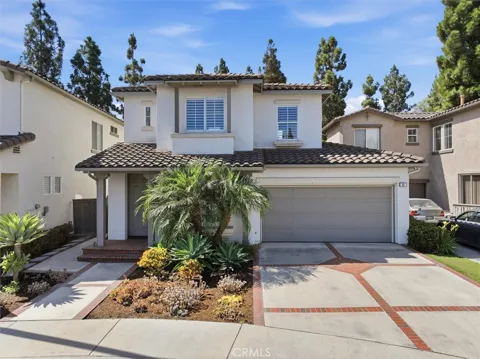
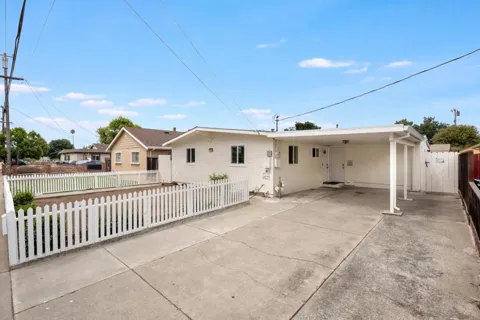
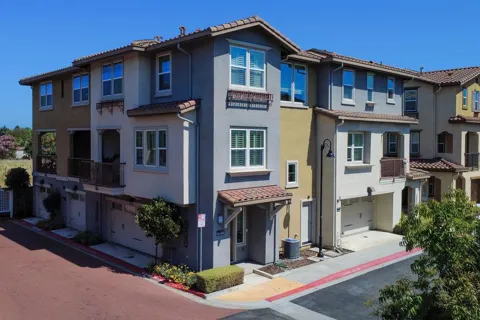
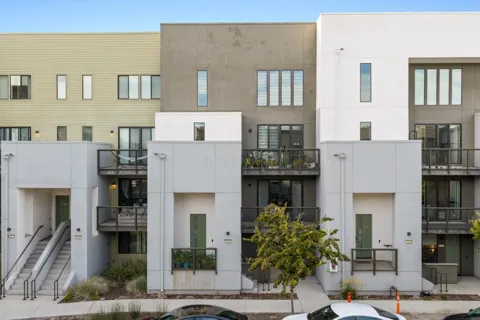
For sale
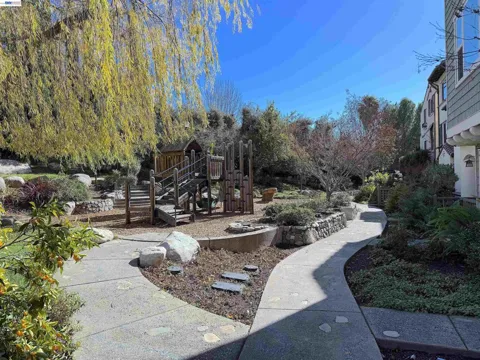
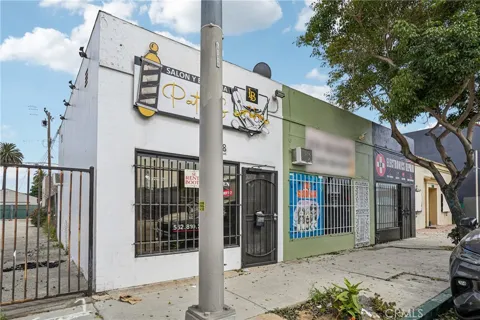
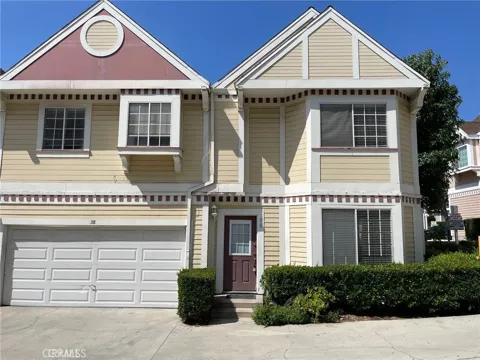
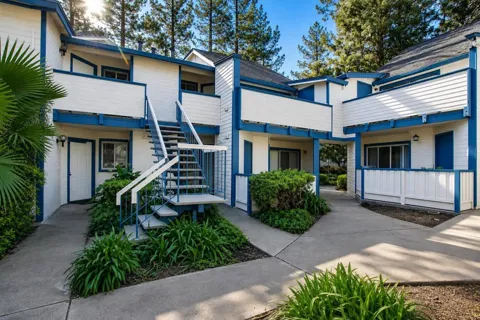
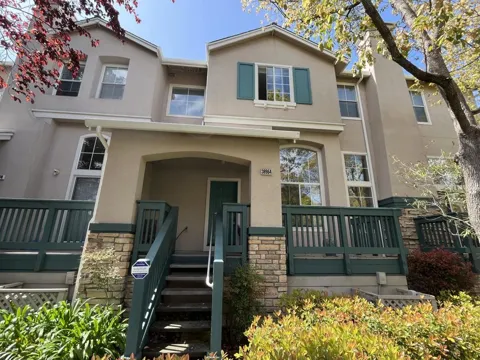
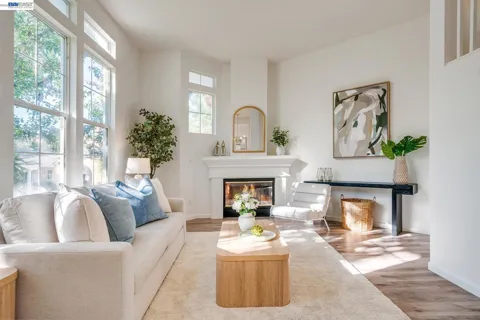
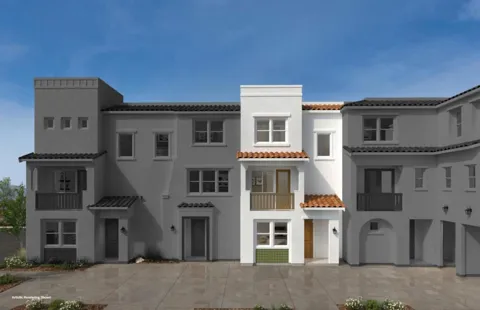
Townhomes in Fremont, CA
Handpicked properties hitting the scene in your area.
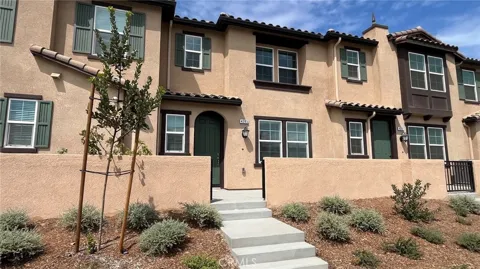
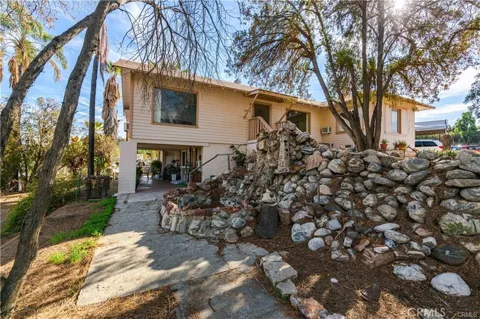
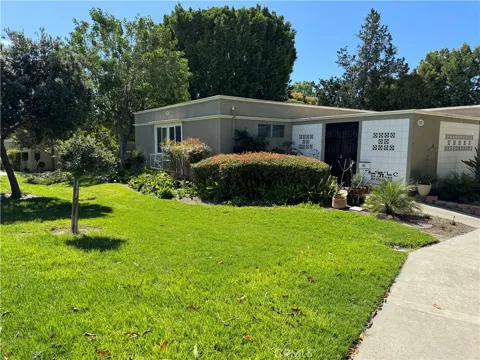
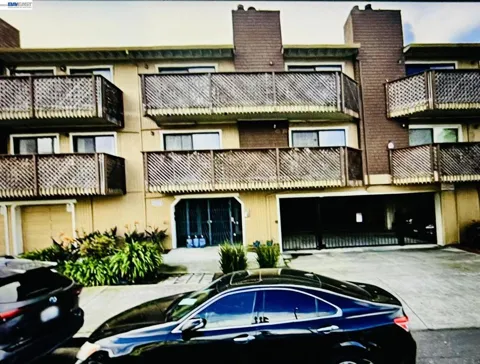
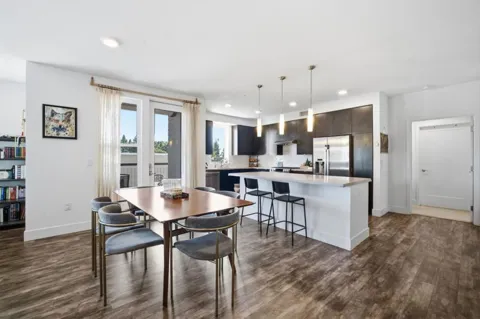
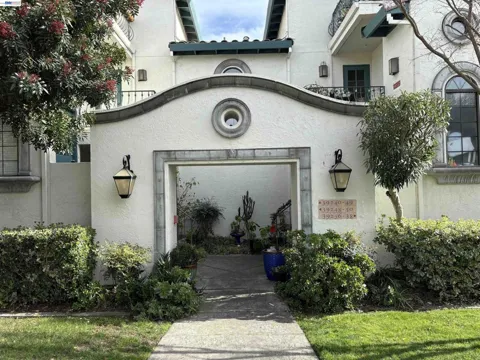
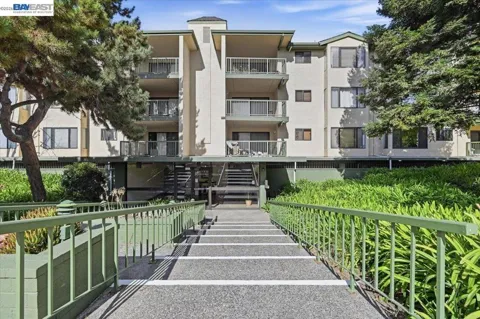
For sale
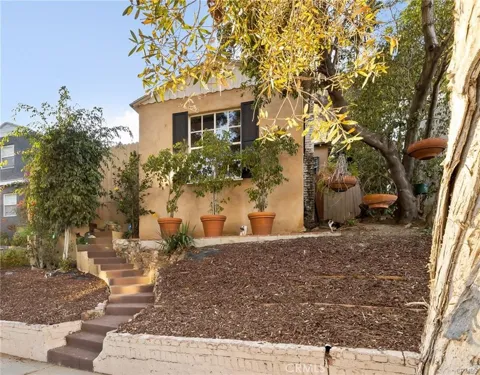
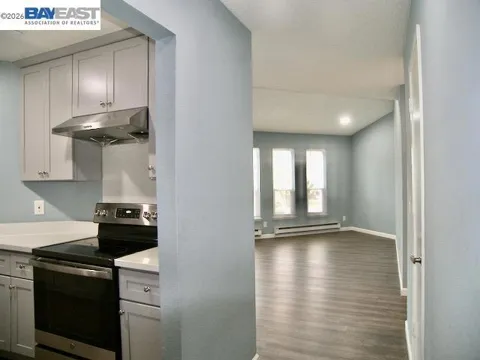
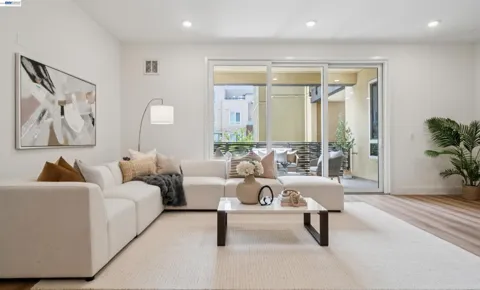
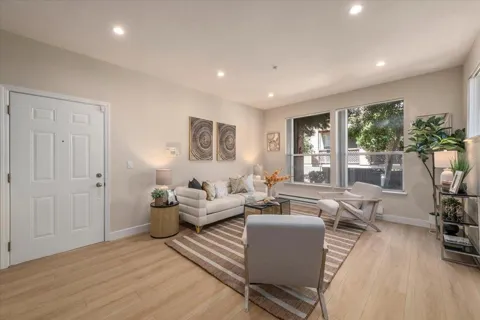
Condos in Fremont, CA
Handpicked properties hitting the scene in your area.
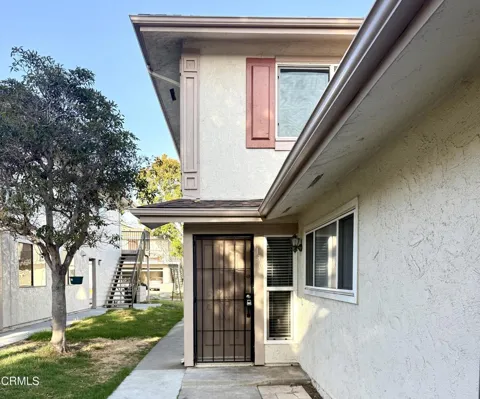
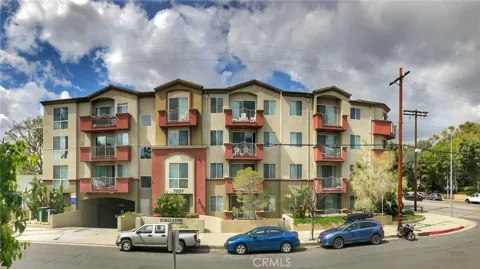
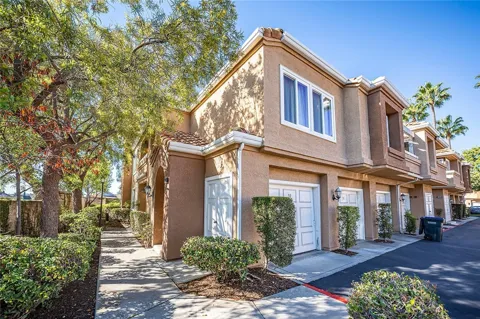
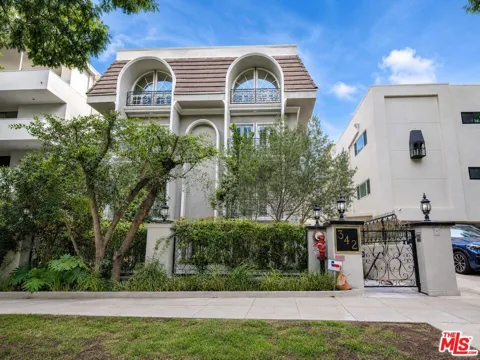
Zip Codes
BROWSE BY ZIP
Browse listings by postal code in this area.
- Grid
- Map
- List
Contact us
Jessie Espinosa | Century 21 Select Real Estate, Turlock
1351 Geer Road, Ste. 103 Turlock, CA 95380
City Guide
About Fremont
Real Estate & Housing
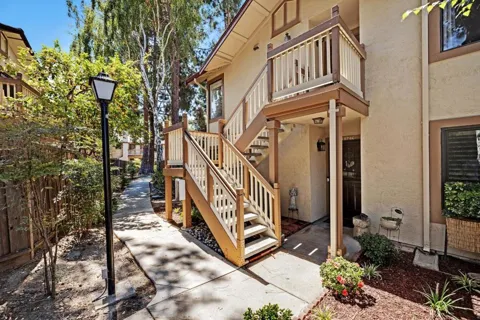
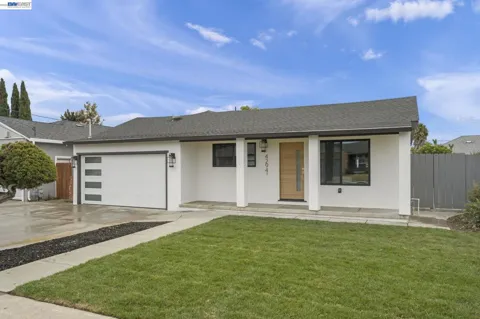
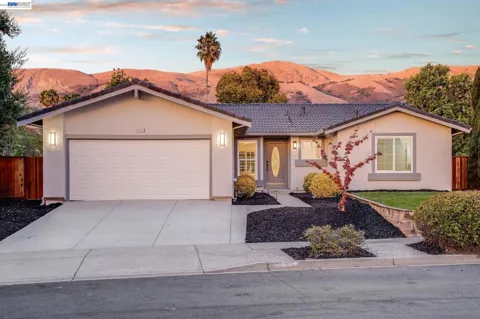
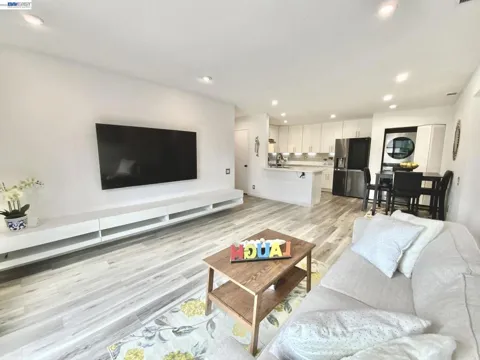
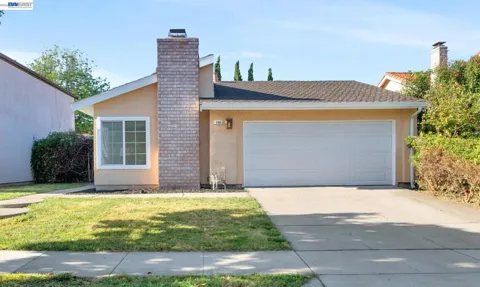
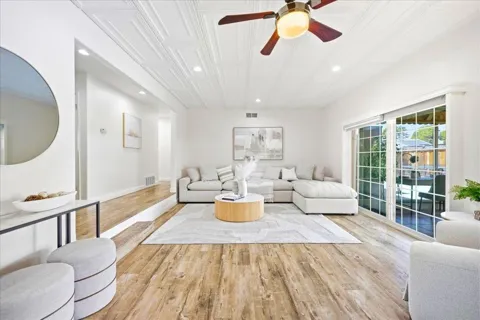
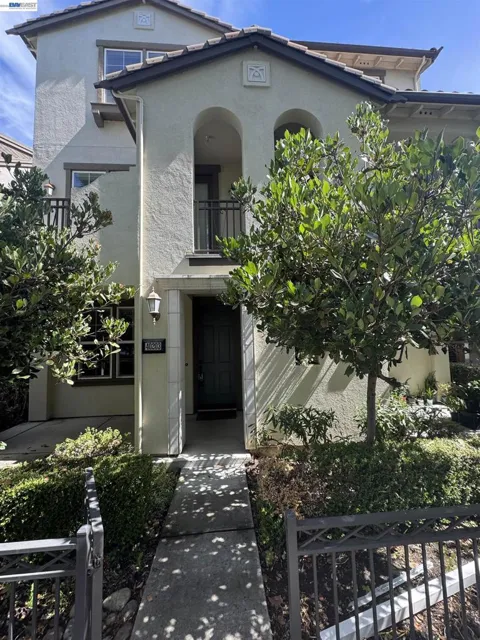
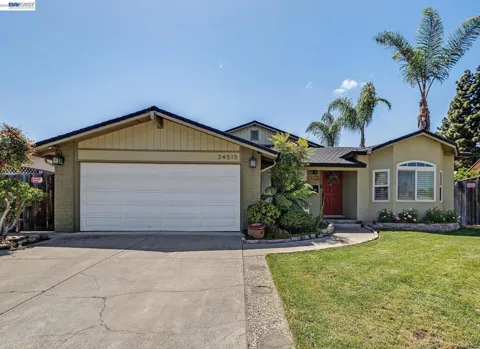
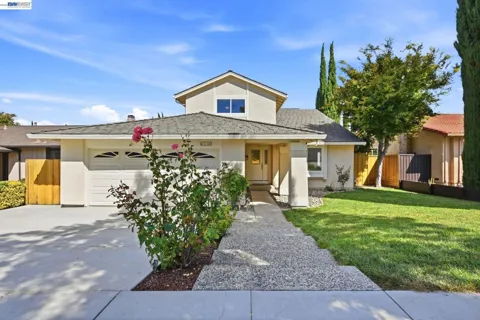
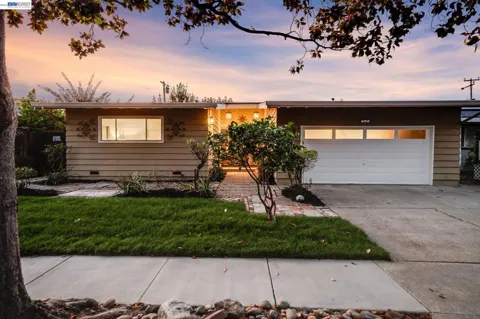
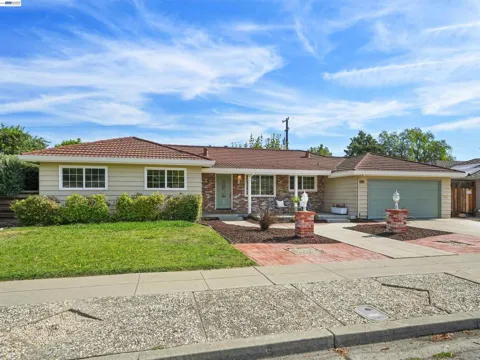
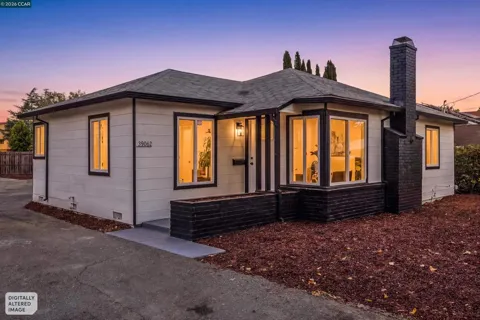
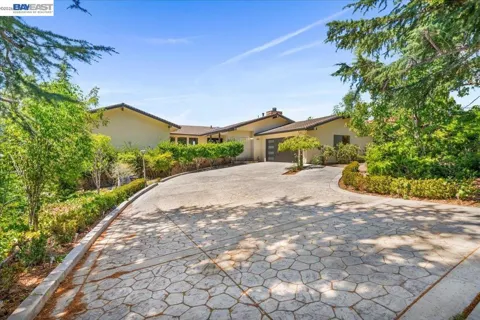
Fremont's housing stock reflects its origin as five separate communities. The historic districts of Centerville, Niles, Irvington, Mission San Jose, and Warm Springs retain older homes dating to the towns' early years, while later subdivisions fill the surrounding flats and hillsides. Newer construction, much of it from the 1990s through the 2010s, clusters around the Warm Springs area near the BART station, where contemporary homes sit on smaller lots. Single-family detached houses dominate across the city, with townhomes and apartments concentrated near transit corridors and Central Park. The mix spans historic bungalows in Niles, established mid-century ranches, and larger hillside properties with views toward Mission Peak and the Bay.
Neighborhoods
Fremont is organized around its five historic communities. Mission San Jose anchors a district known for its historic character and top-performing schools. Niles, in the northwest, preserves an old-town Main Street feel and draws visitors to its antique shops and rail heritage. Centerville and Irvington each maintain recognized historic districts with their own small commercial cores. Warm Springs, in the south, has become Fremont's growth center, with newer homes and a strong connection to tech employers and the Warm Springs BART station. Glenmoor is a well-established residential neighborhood known for community events and recreational facilities, while areas around Central Park and Lake Elizabeth offer convenient access to the city's main green space.
Lifestyle in Fremont
Fremont's lifestyle is shaped by its diversity and its neighborhoods. The city has a pronounced international character, reflected in its food scene and community events, and residents move easily between historic districts and modern commercial areas. Niles functions as a nostalgic destination, with its preserved storefronts and neighborhood gatherings. Central Park and Lake Elizabeth provide a year-round gathering place for families, with playgrounds, picnic areas, and a waterfront loop. Uptown-style activity concentrates near the BART stations, where newer retail and dining serve a commuting workforce. The result is a city that feels less like a single downtown-centered suburb and more like a federation of small towns with their own rhythms and traditions.
Schools & Education
Public education in Fremont is provided by the Fremont Unified School District, which educates more than 32,000 students across 44 schools. The district is consistently regarded as among the stronger systems in the East Bay, and schools in the Mission San Jose area in particular have a long-standing reputation for academic performance. Families weigh several highly rated elementary, middle, and high schools across the city's attendance zones. In addition to the public district, Fremont has a range of private and independent school options serving the area. The presence of well-regarded schools is a major draw for families relocating within the Bay Area.
Getting Around
Fremont is a major transit node in the East Bay. BART's Fremont and Warm Springs stations place the city on the system's Orange and Green lines, offering direct rail service north through Oakland to San Francisco and south to San Jose. AC Transit buses connect local neighborhoods and BART stations, and the city sits at the junction of Interstates 880 and 680, providing highway access around the bay and into the inland valleys. The Warm Springs/South Fremont area has developed as a transit-oriented employment district, with offices and housing within walking distance of the rail line. Commuters can also access ACE and Capitol Corridor rail from nearby stations for trips toward San Jose and the Central Valley.
Parks & Recreation
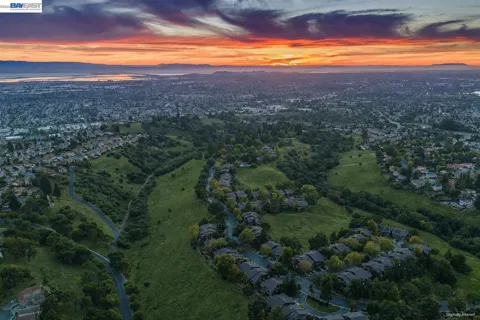
Outdoor recreation is a defining feature of life in Fremont. Mission Peak Regional Preserve, managed by the East Bay Regional Park District, offers trails that climb to a 2,520-foot summit with views across the Bay Area — a rite of passage for many residents. Central Park, near the city center, surrounds Lake Elizabeth with paths, lawns, and sports fields. The broader East Bay Regional Park system provides additional open space within a short drive, and the city's position against the foothills offers quick access to hiking and cycling. Niles Canyon and the surrounding hills add scenic routes for road and gravel riders, while community parks and swim clubs in established neighborhoods support a year-round outdoor lifestyle.
About Fremont
Frequently asked questions
What county is Fremont in?
Fremont is in Alameda County, California, in the East Bay region of the San Francisco Bay Area. It is the fourth-most-populous city in the Bay Area, behind San Jose, San Francisco, and Oakland, with a population of about 230,000.
What school district serves Fremont?
Fremont is served by the Fremont Unified School District, which educates more than 32,000 students across 44 schools. The district is widely regarded as among the stronger systems in the East Bay, with several highly rated schools, particularly in the Mission San Jose area.
Does Fremont have BART service?
Yes. Fremont has two BART stations — Fremont and Warm Springs — on the Orange and Green lines, providing direct rail service north to Oakland and San Francisco and south to San Jose. AC Transit buses connect the stations to surrounding neighborhoods.
What are Fremont's historic districts?
Fremont was incorporated in 1956 from five older communities: Centerville, Niles, Irvington, Warm Springs, and Mission San Jose. Each retains a recognized historic district with its own character, from Niles' old-town Main Street to the Mission San Jose district's historic and academic reputation.
What is Mission Peak?
Mission Peak is a 2,520-foot summit in Fremont, reached by trails in Mission Peak Regional Preserve managed by the East Bay Regional Park District. The hike to the top offers views across the Bay Area and has become one of the region's best-known outdoor outings.
Still have questions about Fremont?
Get in touchExplore the area