Inland Empire Hub at the Cajon Pass
About Rialto, CA
Welcome to Rialto, a San Bernardino County city in the Inland Empire, set 56 miles east of Los Angeles where freeways, Metrolink rail, and the San Bernardino Mountains come together.
Rialto is a city in San Bernardino County, California, in the heart of the Inland Empire. It lies about 56 miles east of Los Angeles, near the Cajon Pass and at the base of the San Bernardino Mountains. With a population of roughly 104,000, Rialto is a mid-sized suburban city positioned at the junction of three major freeways: Interstate 10, Interstate 15, and State Route 210. This location, along with Metrolink rail service, makes it one of the Inland Empire's more accessible residential and logistics centers. The city's origins are agricultural and rail-oriented. In 1887, the Semi-Tropic Land and Water Company laid out the townsite after the Santa Fe Railroad was extended between San Bernardino and Los Angeles, and a school district followed the next year. For decades Rialto was known for its citrus groves and vineyards, and historic Route 66 ran through the city along Foothill Boulevard, leaving a legacy of early motel and roadside commercial architecture that the Rialto Historical Society and local preservation efforts still document. Modern Rialto is a diverse, family-oriented community anchored by the Rialto Unified School District and a network of parks and community facilities. The city's economy leans on warehousing, logistics, and distribution, reflecting the Inland Empire's broader role as a freight hub, with Union Pacific and BNSF rail operations nearby. Local amenities include the Rialto Historical Society and Museum, a farmers' market, seasonal festivals, Rialto City Park, and the Rialto Fitness and Aquatic Center. For households, Rialto offers a practical Inland Empire location with commuter rail to Los Angeles and San Bernardino and quick freeway access across the region. The San Bernardino Mountains provide nearby recreation, while the city's varied housing stock ranges from historic Route 66-era homes to newer foothill subdivisions. Rialto suits those seeking an established, well-connected San Bernardino County community with mountain views and a genuine sense of local history.

MARKET SNAPSHOT
The Market at a Glance
How homes have been selling here over the last 90 days.
Price & Sales History
Market data reflects closed sales over the last 90 days and is provided for informational purposes.
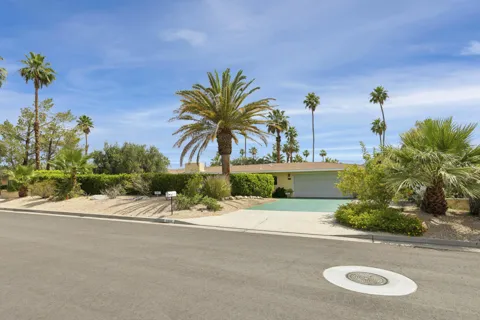
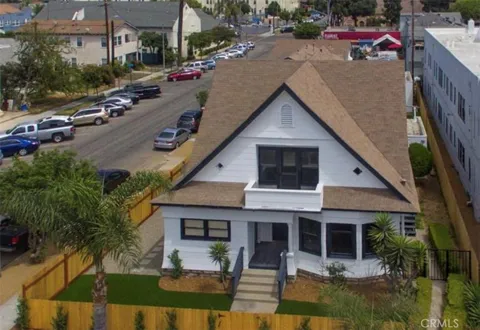
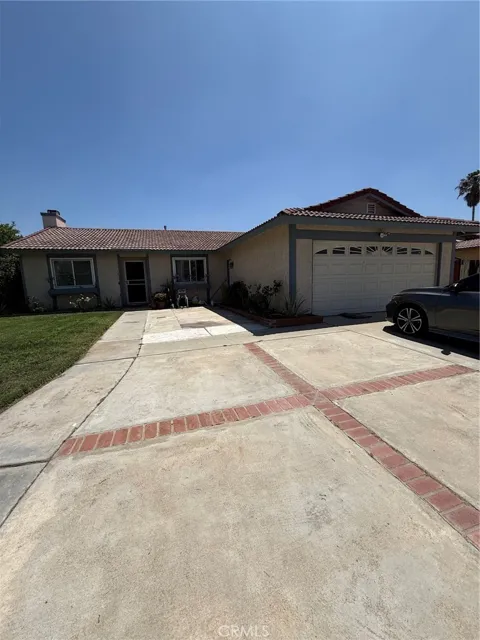
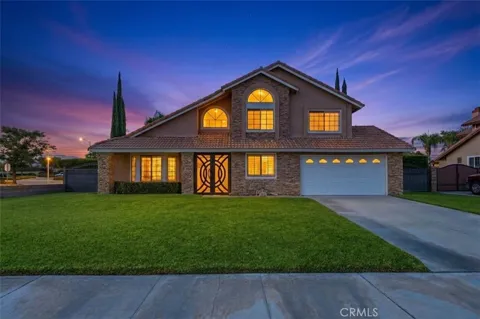
For sale
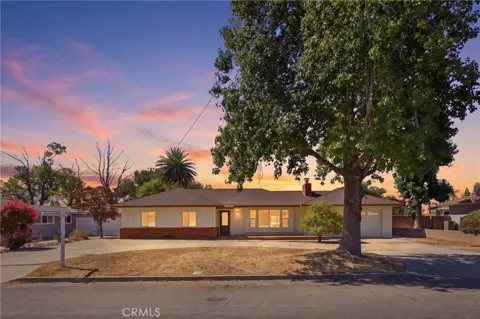
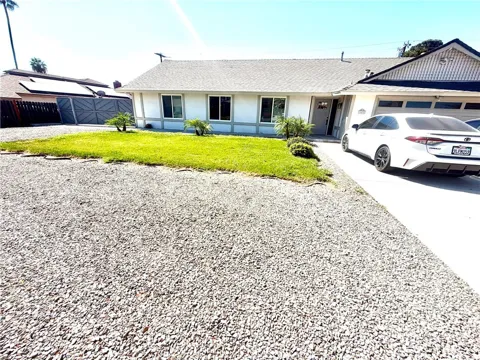
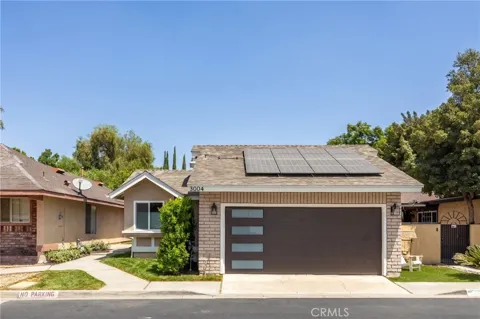
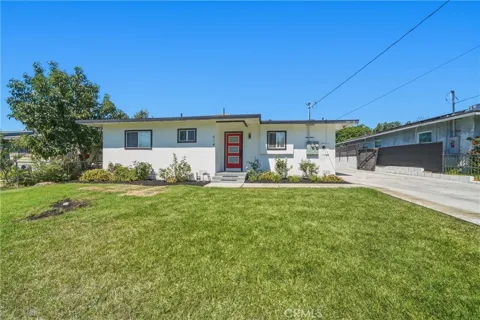
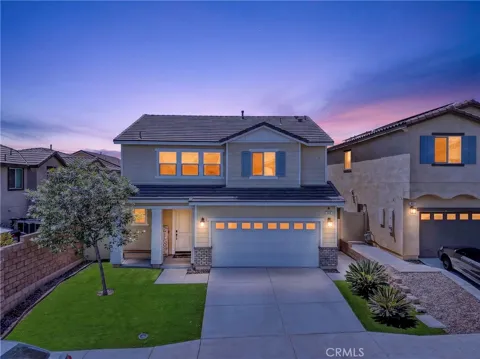
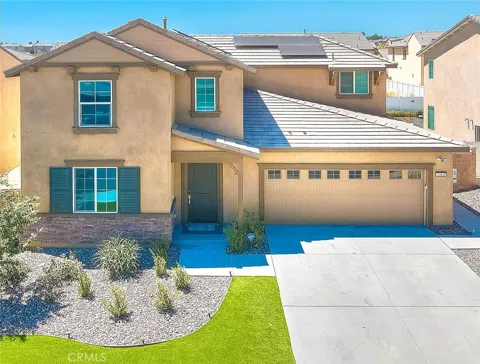
Houses in Rialto, CA
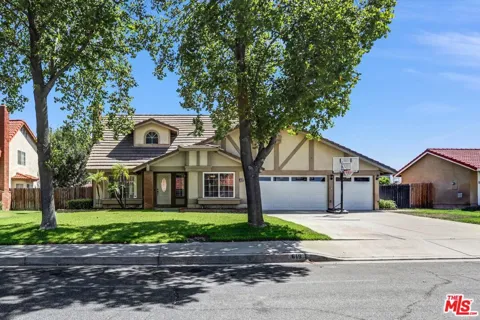
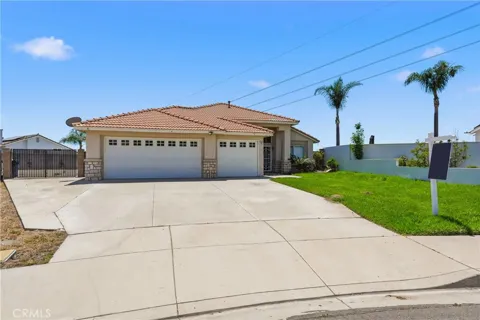
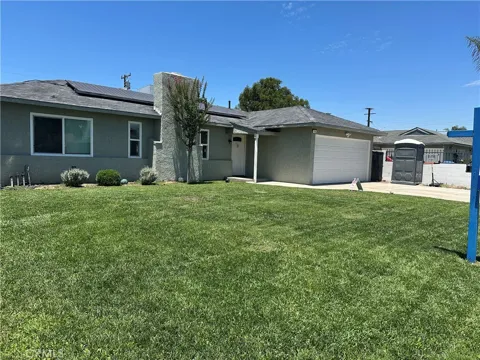
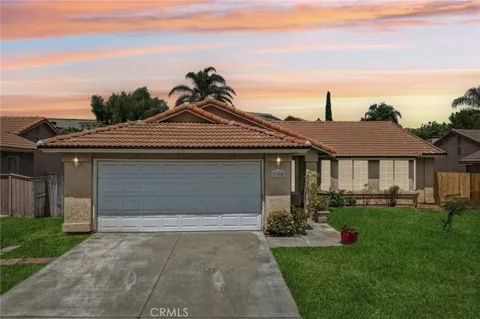
Handpicked properties hitting the scene in your area.
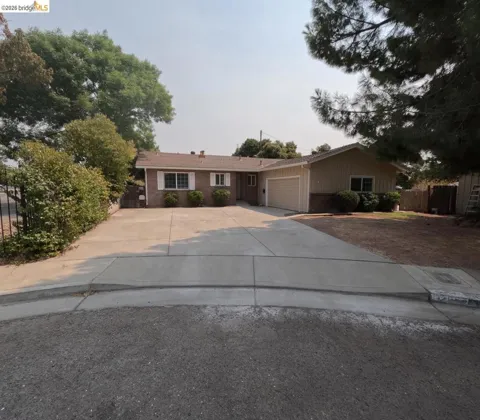
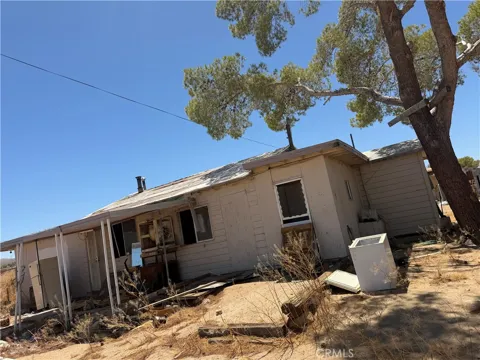
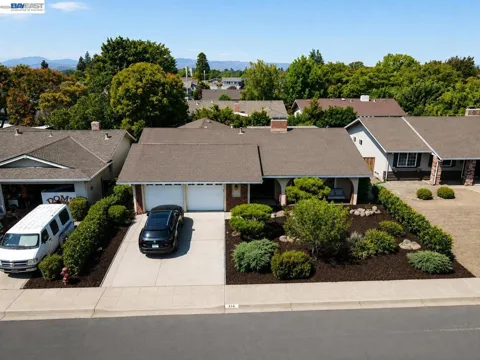
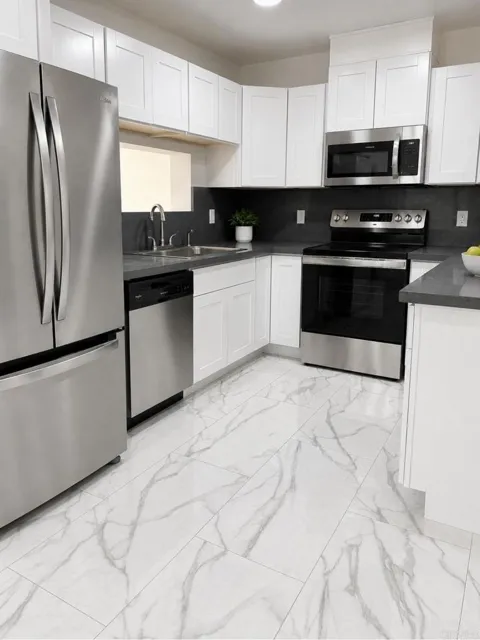
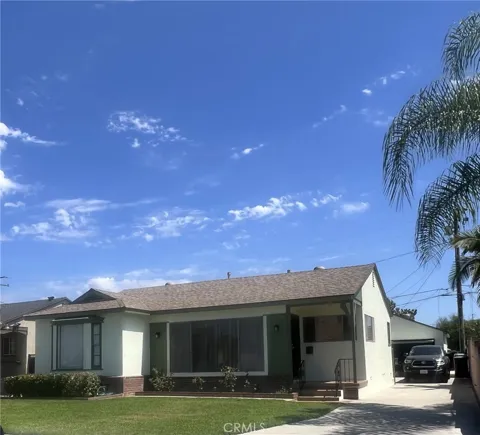
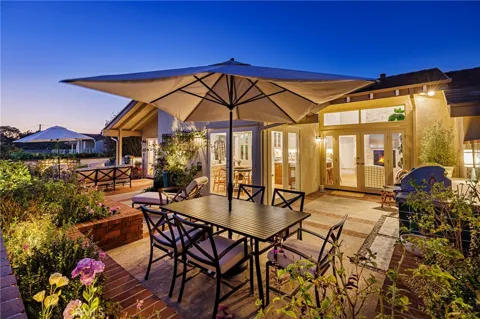
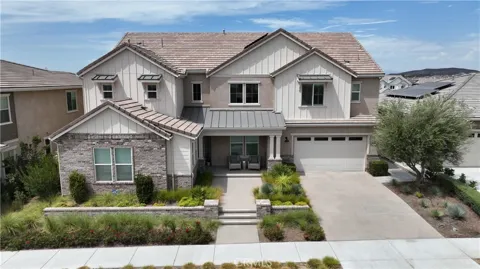
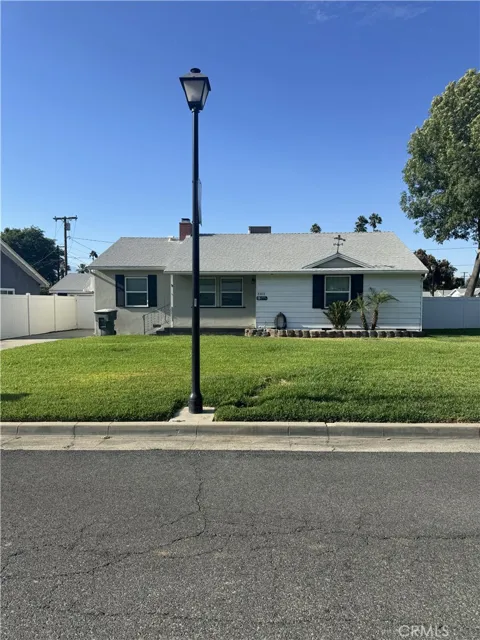
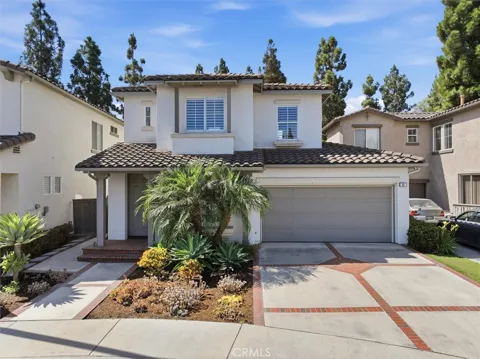
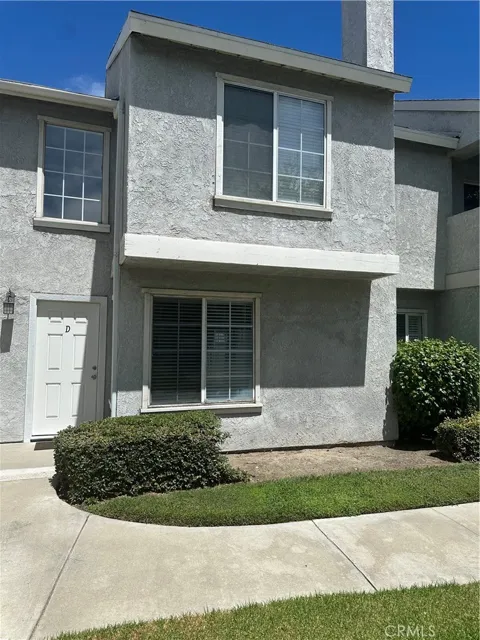
For sale
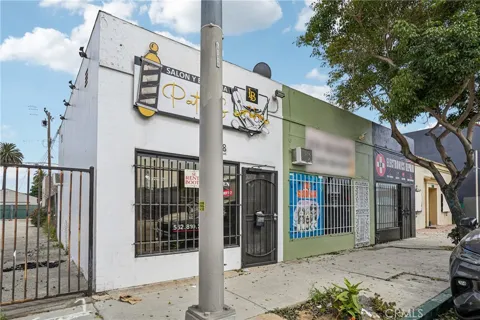
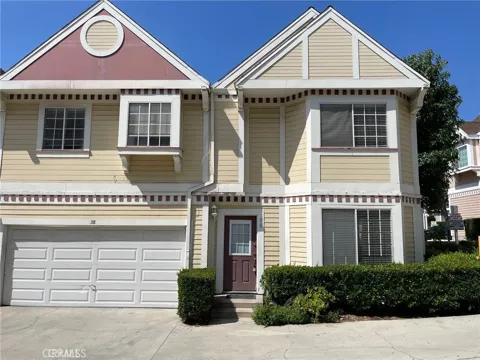
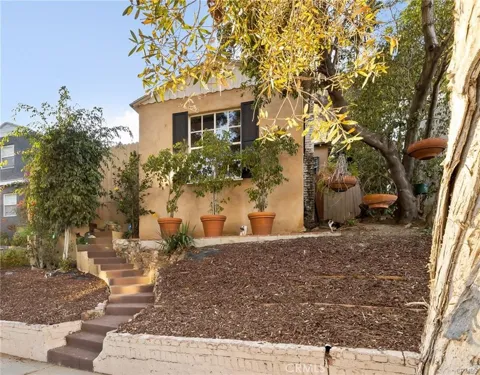
Townhomes in Rialto, CA
Handpicked properties hitting the scene in your area.
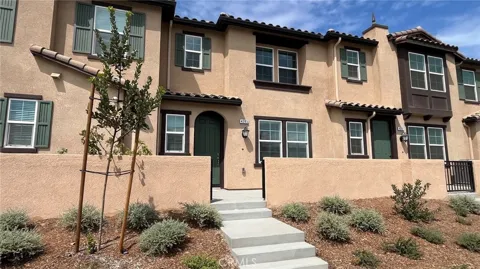
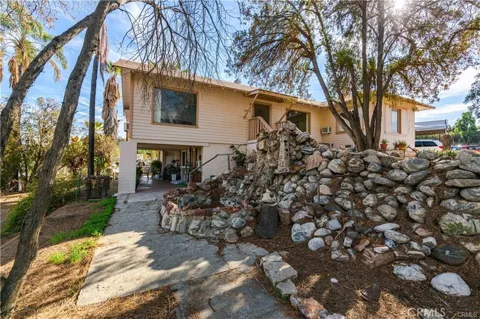
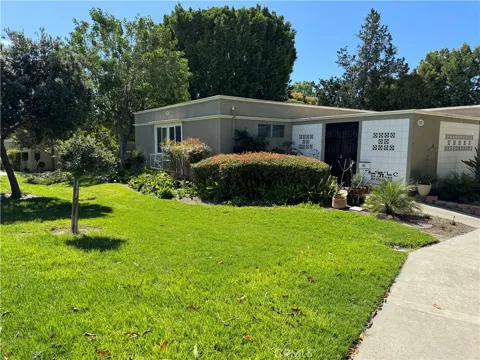
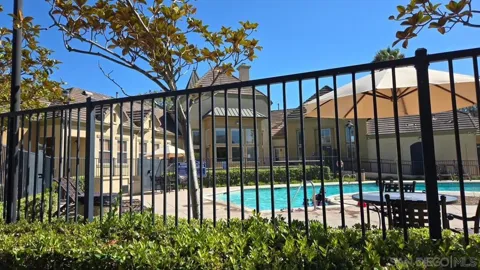
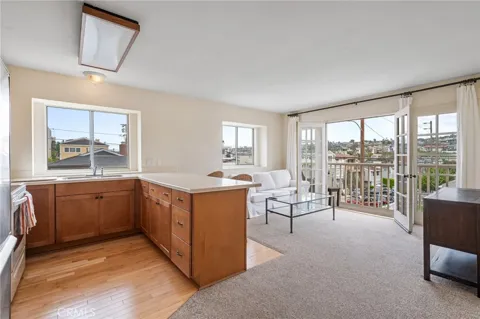
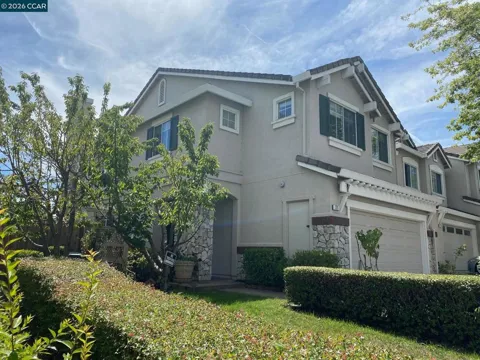
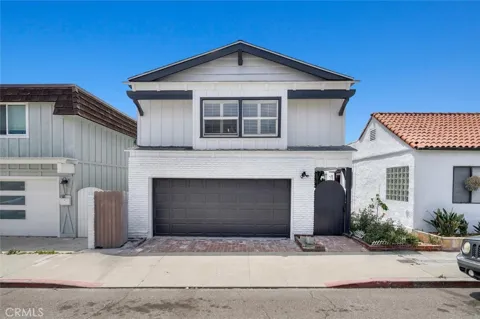
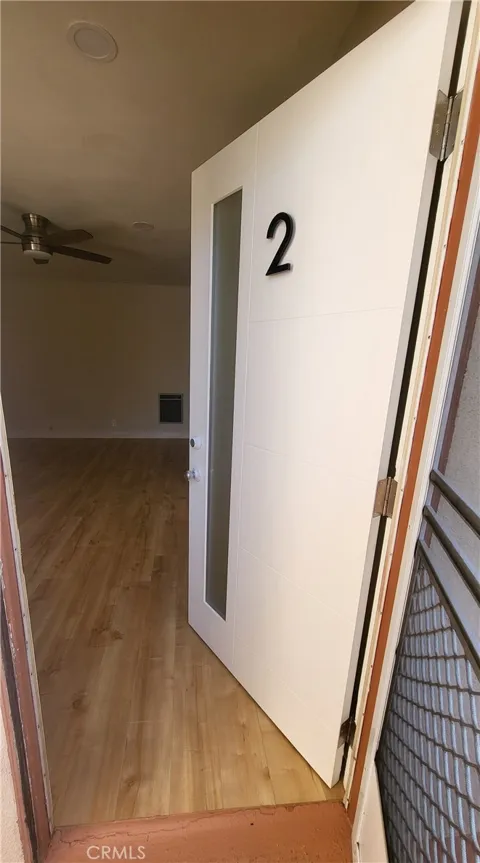
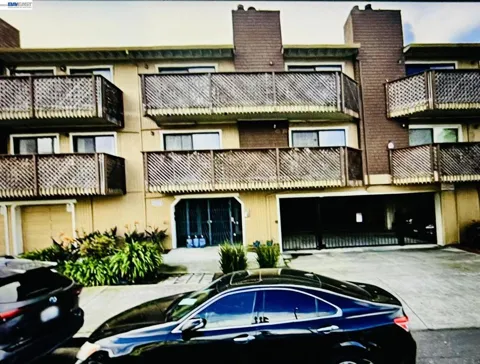
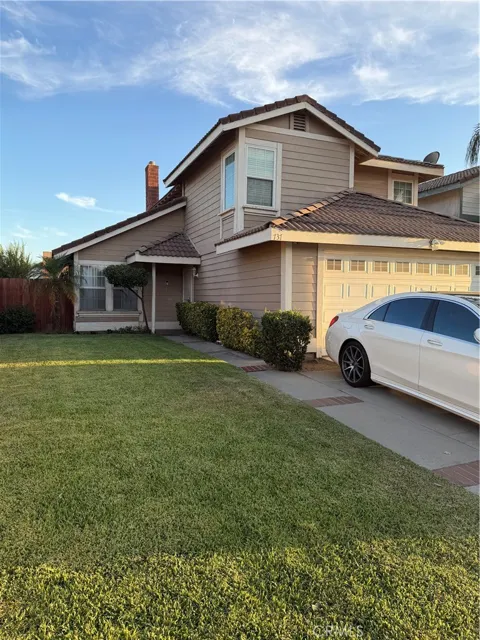
For sale
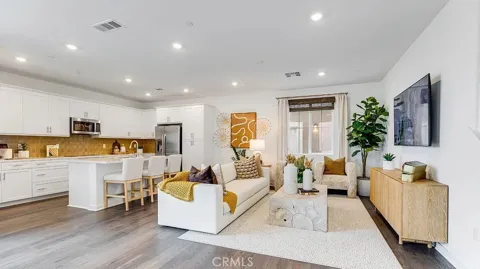
Condos in Rialto, CA
Handpicked properties hitting the scene in your area.
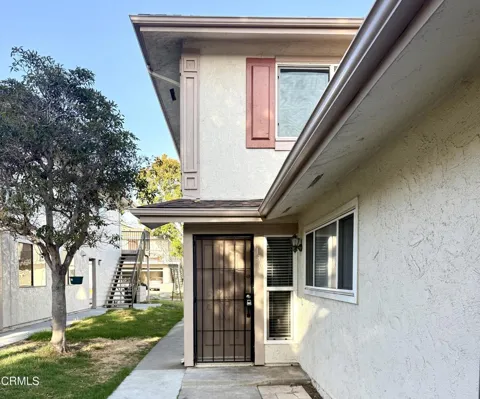
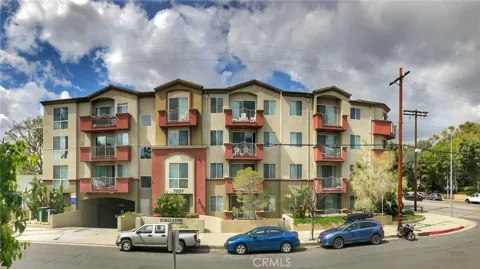
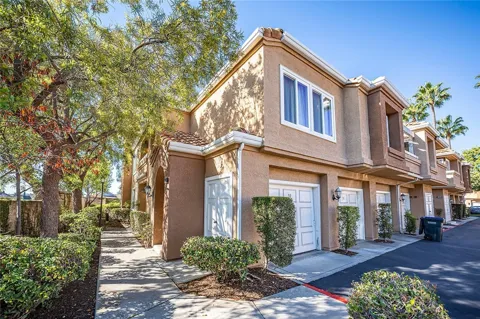
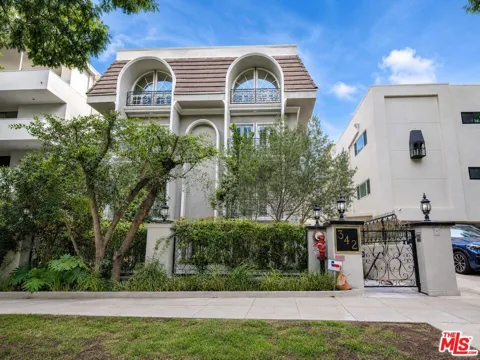
Zip Codes
BROWSE BY ZIP
Browse listings by postal code in this area.
- Grid
- Map
- List

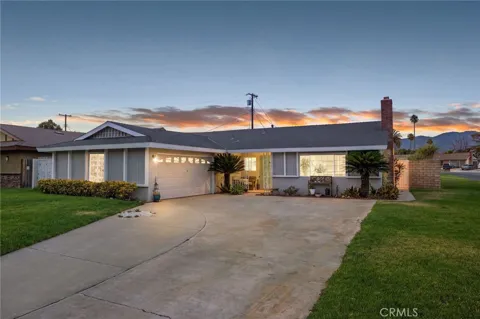
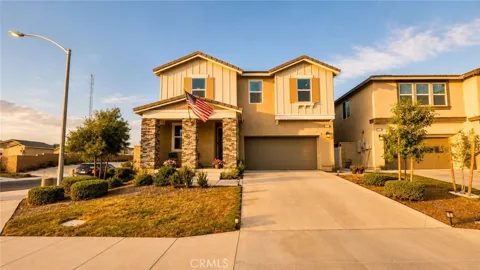
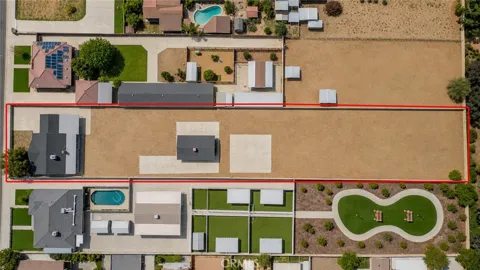
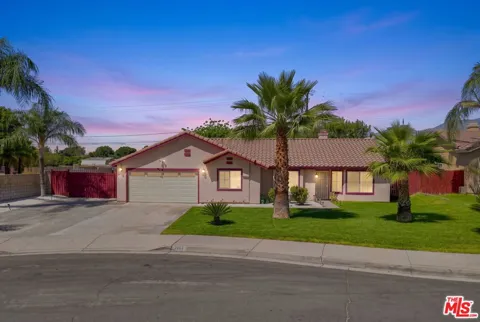


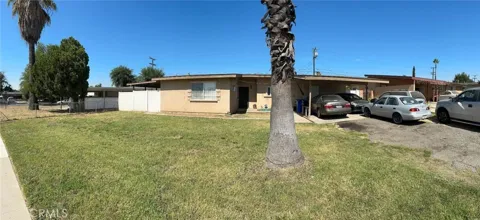
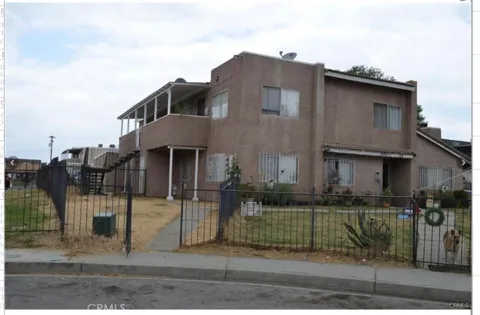
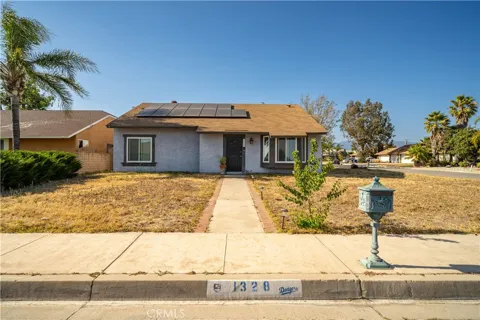
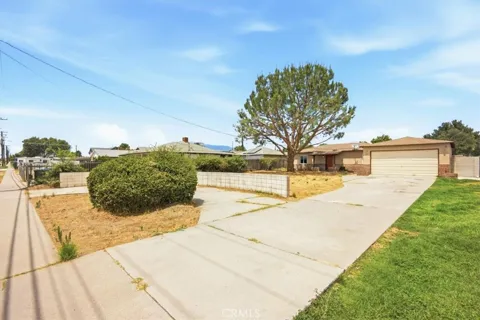
Contact us
Jessie Espinosa | Century 21 Select Real Estate, Turlock
1351 Geer Road, Ste. 103 Turlock, CA 95380
City Guide
About Rialto
Real Estate & Housing
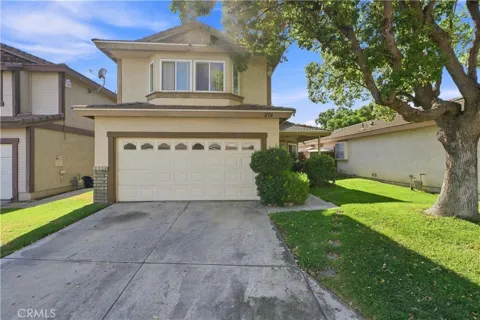
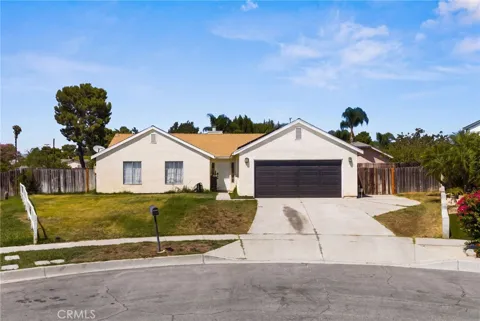
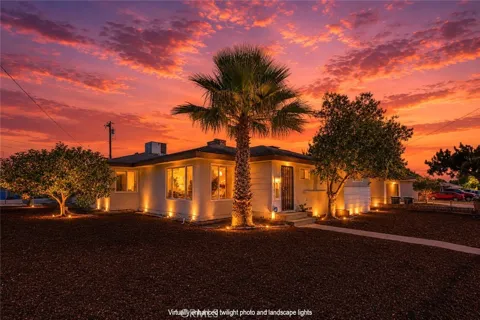
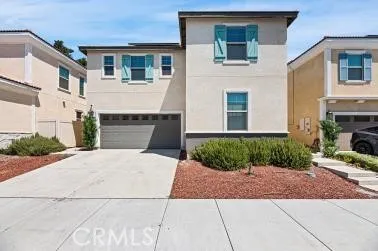
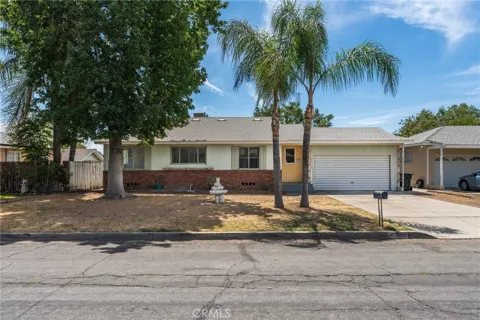
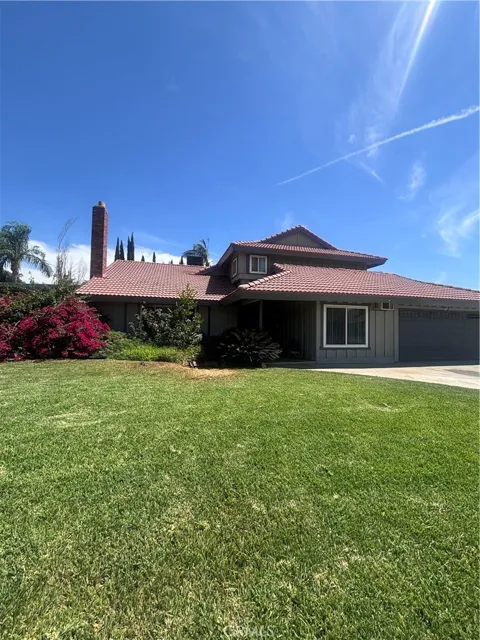
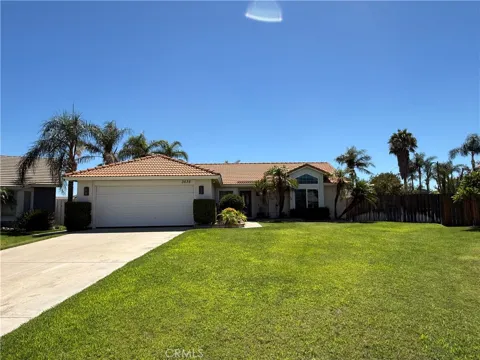
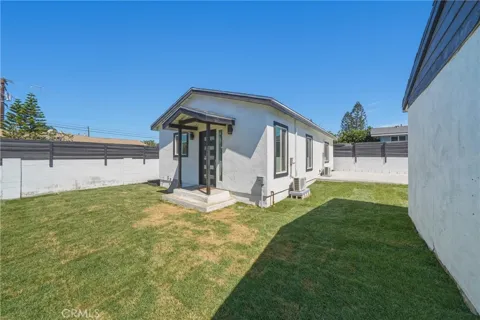
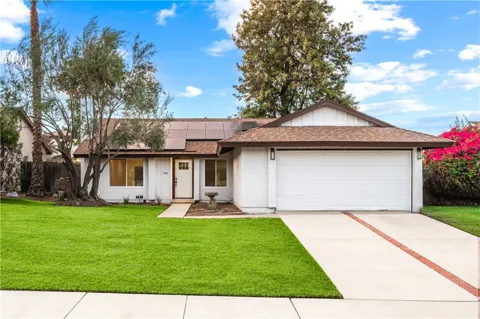
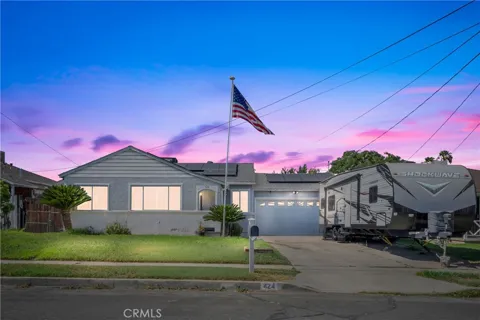
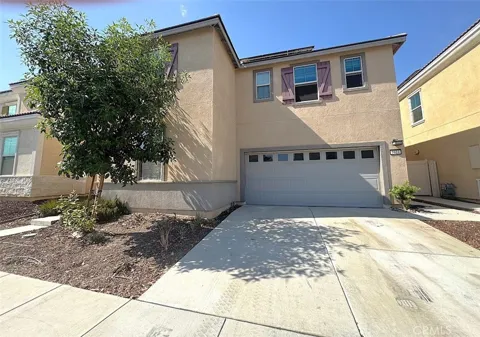
Rialto's housing stock spans several eras. The city's older core near Foothill Boulevard and the historic Route 66 corridor contains established single-family homes from the early and mid-20th century, many set on traditional lots. Around them, post-war and later suburban tracts expanded the city outward, and newer subdivisions have continued to add contemporary single-family construction, particularly toward the northern foothills. This mix gives buyers a range of settings, from mature in-town neighborhoods to more recent planned communities. Rialto's position at the junction of three major freeways and its Metrolink connection make it a practical choice for Inland Empire commuters, and its housing diversity supports households at different stages of life without a single dominant housing type.
Neighborhoods
Rialto's residential districts fan out from its historic center. The Foothill Boulevard corridor, which carried Route 66 through the city, threads past some of the oldest neighborhoods and the city's early commercial blocks. Established mid-century tracts fill much of the city's middle, offering mature trees and settled streets, while newer subdivisions have grown across the northern side, closer to the 210 freeway and the rising foothills. Because the city developed over more than a century, its neighborhoods vary in age and character rather than following a single pattern. Residents generally share the same school district, park system, and freeway access, while individual streets and subdivisions carry their own distinct feel, from the historic Route 66 frontage to the newer foothill communities.
Lifestyle in Rialto
Rialto's lifestyle is rooted in its Inland Empire setting: a working suburban city with convenient freeway access, a strong sense of community, and the San Bernardino Mountains as a backdrop. Local life gathers around the farmers' market, seasonal festivals, and community events, while the Rialto Historical Society preserves the city's agricultural and Route 66 heritage. Residents draw on neighboring Inland Empire cities, including San Bernardino, Fontana, and Rancho Cucamonga, for shopping, dining, and entertainment. The climate is warm and dry, with hot summers typical of the region and mild winters. For many, Rialto's appeal is the combination of comparatively attainable housing, transit options, and proximity to both the Los Angeles basin and mountain recreation to the north.
Schools & Education
Public education in Rialto is provided by the Rialto Unified School District, a K-12 system that operates dozens of elementary, middle, and high schools serving the city. The district has deep roots in the community, tracing back to the school built shortly after the townsite was laid out in 1888. For higher education, residents are within commuting distance of California State University, San Bernardino, and the University of California, Riverside, along with regional community colleges. Families weighing a move to Rialto typically consider the district's neighborhood school assignments and magnet and career-pathway programs alongside the city's freeway and rail access, parks, and comparatively attainable housing in the Inland Empire.
Getting Around
Rialto sits at a key freeway junction in the Inland Empire, where Interstate 10, Interstate 15, and State Route 210 converge near the Cajon Pass. Interstate 15 carries traffic north into the high desert and south toward the rest of San Bernardino County, while Interstate 10 and the 210 link Rialto west toward Los Angeles and east toward San Bernardino and Redlands. The Rialto Metrolink Station provides commuter-rail service on the San Bernardino Line, connecting riders to Los Angeles Union Station and points between, and Omnitrans buses serve local and regional routes. This combination of freeway and rail access makes Rialto a practical base for commuters and a convenient node for the region's logistics and warehousing economy.
Parks & Recreation
Rialto's recreation centers on its parks and community facilities. Rialto City Park provides open green space and gathering areas in the heart of the city, while the Rialto Fitness and Aquatic Center offers pools, sports courts, and fitness programming for residents of all ages. The city also hosts a farmers' market and seasonal festivals that draw the community together through the year. Beyond the city, the San Bernardino Mountains are a short drive north, with Lake Arrowhead and Big Bear offering hiking, boating, skiing, and summer recreation. The Inland Empire's regional parks and the desert beyond the Cajon Pass add further options, giving Rialto residents a gateway to both mountain and desert recreation while keeping everyday parks and programs close to home.
About Rialto
Frequently asked questions
What county is Rialto, California in?
Rialto is in San Bernardino County, California, in the Inland Empire. It lies about 56 miles east of Los Angeles, near the Cajon Pass and the base of the San Bernardino Mountains.
How far is Rialto from Los Angeles?
Rialto is about 56 miles east of downtown Los Angeles. It sits at the convergence of Interstate 10, Interstate 15, and State Route 210, and Metrolink's San Bernardino Line provides rail service from the city's station toward Los Angeles and San Bernardino.
What school district serves Rialto?
Rialto is served by the Rialto Unified School District, a K-12 system with dozens of schools across the city. Higher education is available nearby at Cal State San Bernardino and the University of California, Riverside.
What major freeways are near Rialto?
Rialto lies at the junction of Interstate 10, Interstate 15, and State Route 210, placing it close to the Cajon Pass route into the high desert. The city also has a Metrolink station and Omnitrans bus service for local and regional transit.
What is the history of Rialto?
Rialto began as an agricultural and railroad townsite laid out in 1887 after the Santa Fe Railroad was extended through the area. For decades the foothill community was known for its citrus groves and vineyards, and historic Route 66 ran through the city along Foothill Boulevard.
Still have questions about Rialto?
Get in touchExplore the area