San Bernardino County Logistics Hub
About Fontana, CA
Welcome to Fontana, San Bernardino County's second-largest city, set where Interstates 10 and 15 meet, a former steel town that became a major Inland Empire logistics and distribution hub.
Fontana is a city in San Bernardino County, California, in the Inland Empire, roughly 50 miles east of downtown Los Angeles. It is the second-most-populous city in the county, with about 220,000 residents, and it anchors the western end of the county at a strategically important freeway junction where Interstate 10 and Interstate 15 cross. The San Bernardino Mountains rise to the north, giving much of the city a scenic mountain backdrop, and the region's rail corridors and proximity to the ports of Los Angeles and Long Beach have made Fontana one of the most significant logistics and distribution centers in the United States. The city's modern identity traces to 1942, when industrialist Henry J. Kaiser opened a steel mill that was the first of its kind on the West Coast. The Kaiser Steel plant flourished during World War II and the postwar decades, supplying steel for shipbuilding, automobiles, and consumer goods and transforming Fontana from a small citrus and farm community into an industrial city. When the mill declined and closed in the 1980s, Fontana faced a major economic transition, redeveloping former industrial land into housing, commercial centers, and warehousing. That redevelopment reshaped Fontana. The Auto Club Speedway, a major motorsports venue, was built on part of the former Kaiser Steel site, and the city's freeway position drew an enormous concentration of logistics and distribution facilities that now define its economy. The surrounding landscape illustrates the layered Inland Empire pattern: farmland, wartime industry, racing, logistics, and new residential development pressed together in a broad valley. Residentially, Fontana offers a wide range of housing, from older single-family homes near its historic core to large newer subdivisions on the city's northern and western edges. The city maintains more than 40 parks and recreation facilities, and its schools are served by several districts, with Fontana Unified School District covering the majority of the city. Fontana suits households seeking relatively attainable housing, strong freeway access, and proximity to the Inland Empire's logistics and employment base, within commuting reach of both Los Angeles and San Bernardino.
MARKET SNAPSHOT
The Market at a Glance
How homes have been selling here over the last 90 days.
Price & Sales History
Market data reflects closed sales over the last 90 days and is provided for informational purposes.
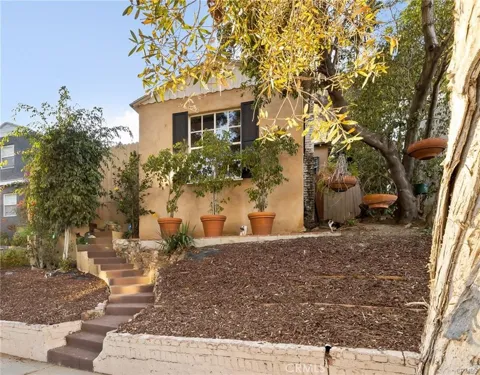
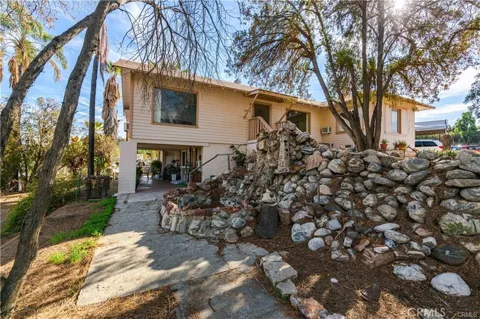
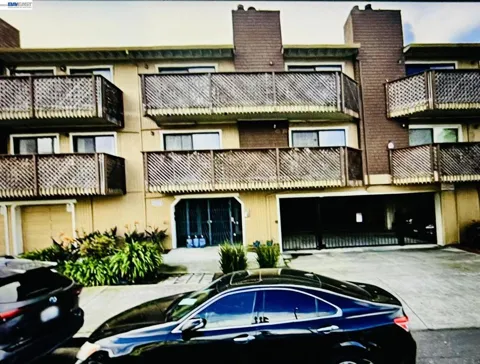
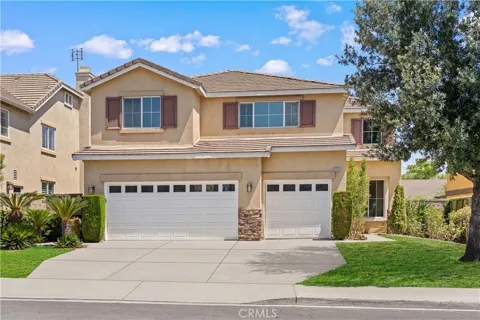
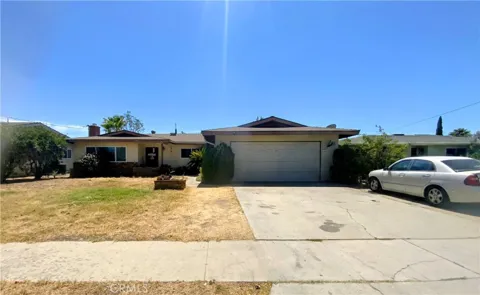
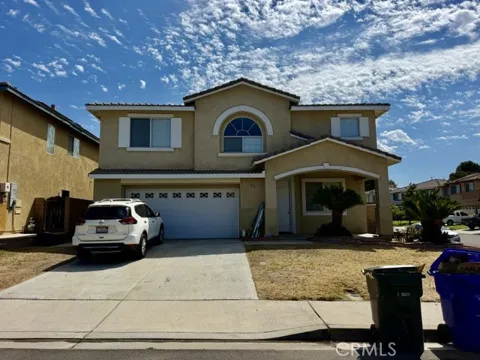
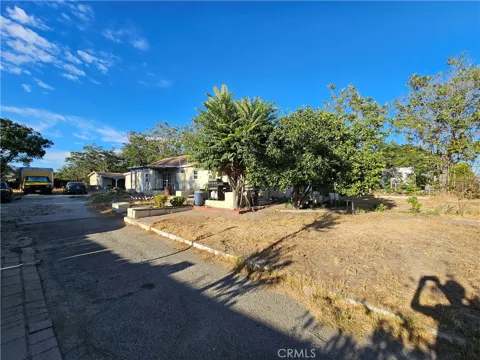
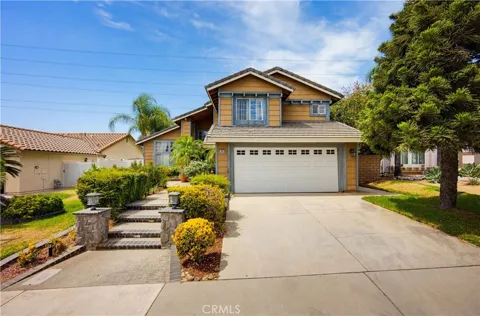
For sale
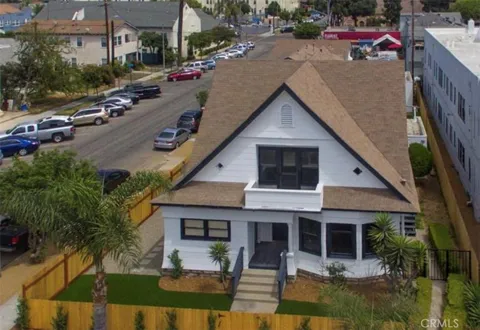
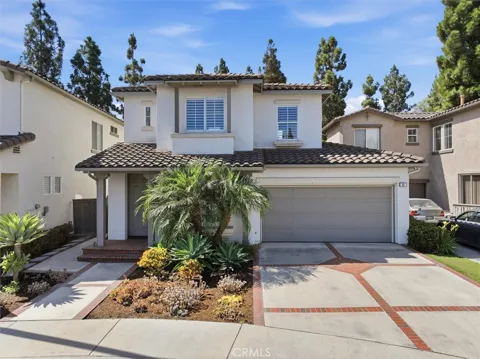
Houses in Fontana, CA
Handpicked properties hitting the scene in your area.
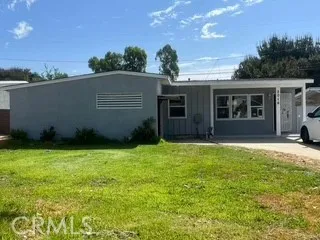
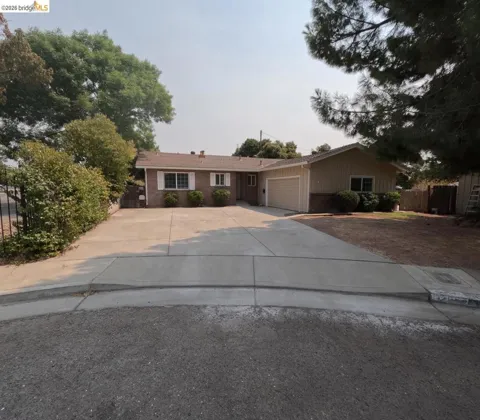
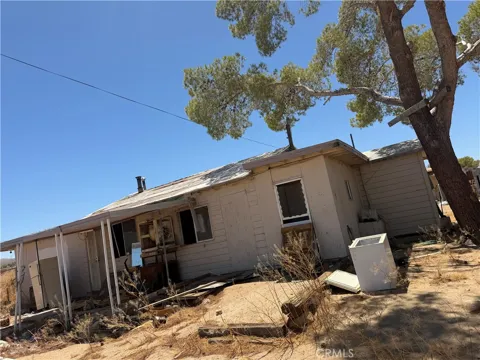
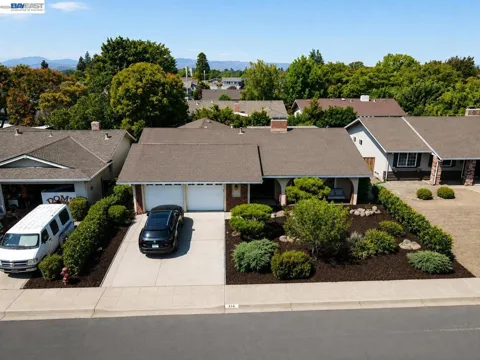
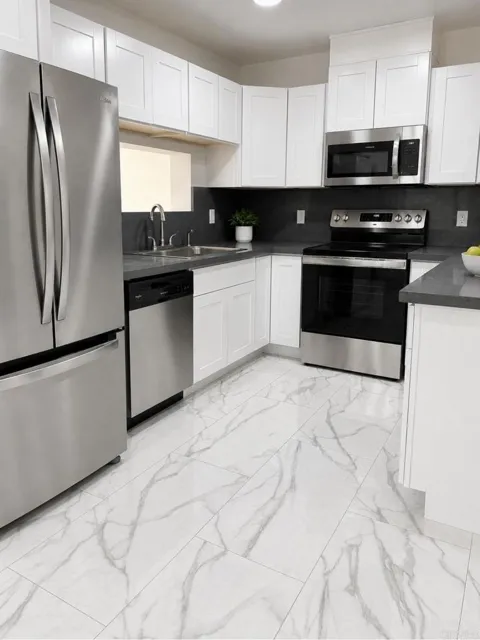
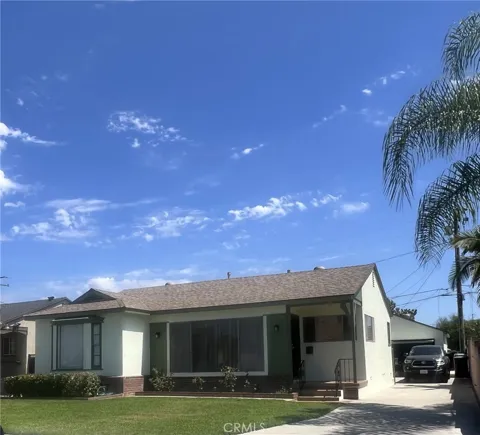
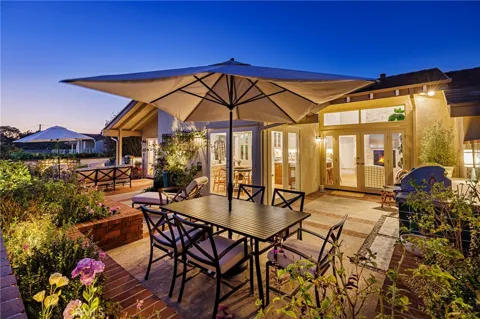
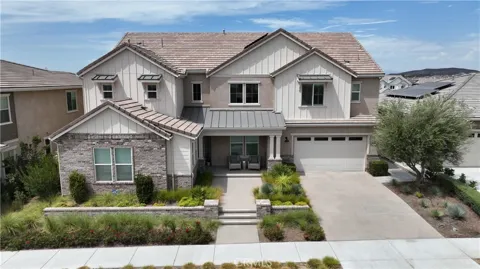
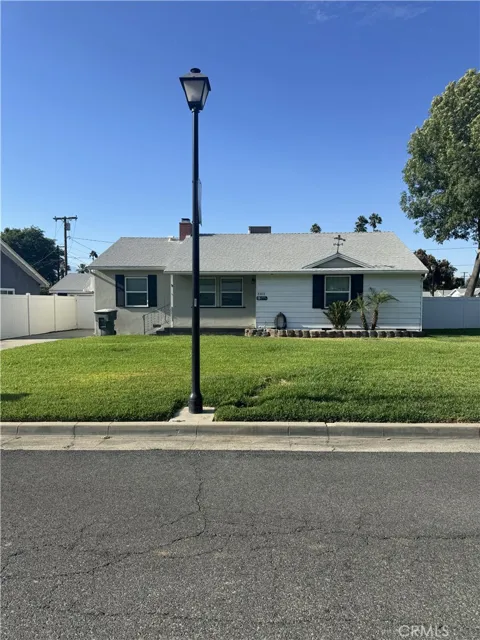
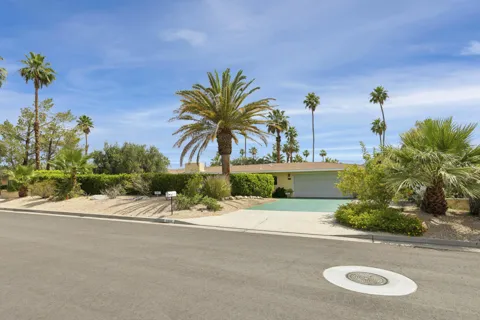
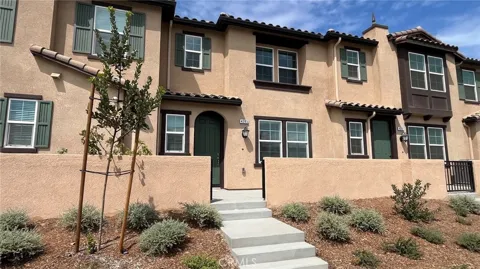
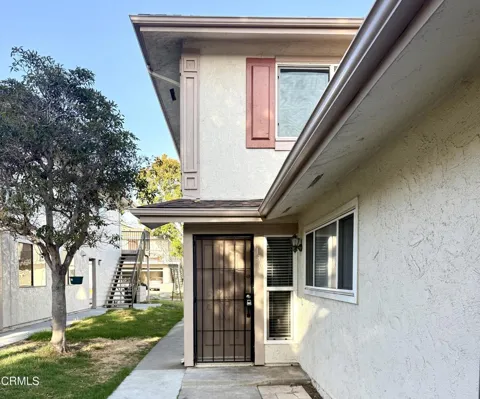
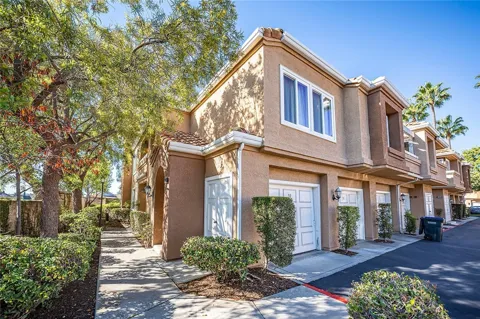
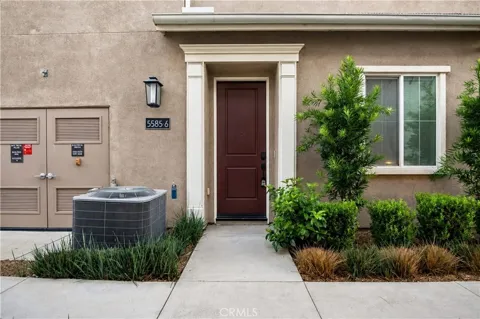
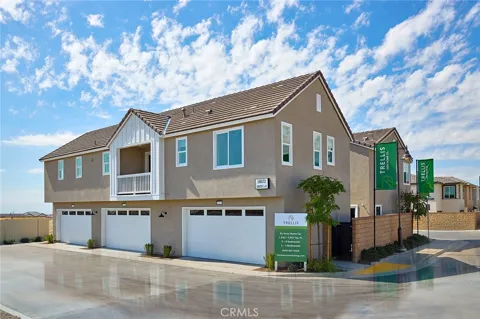
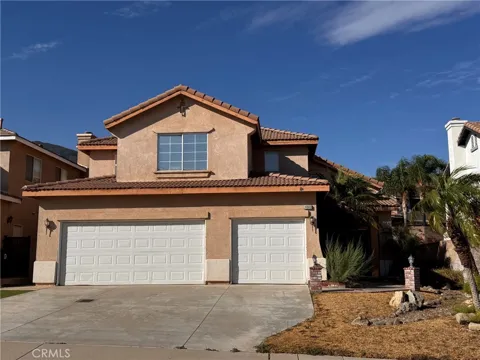
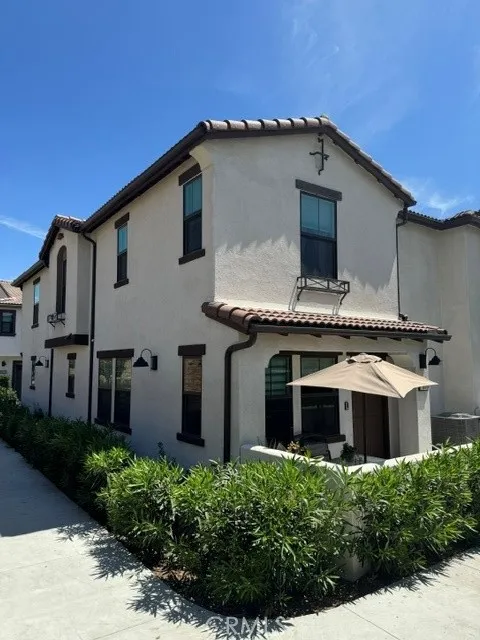
For sale
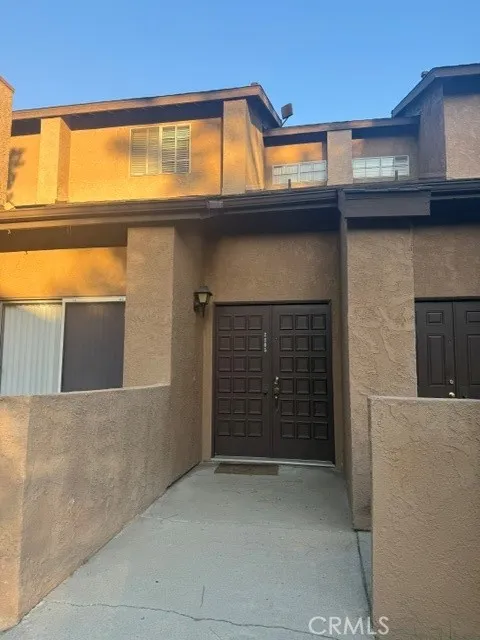
Townhomes in Fontana, CA
Handpicked properties hitting the scene in your area.
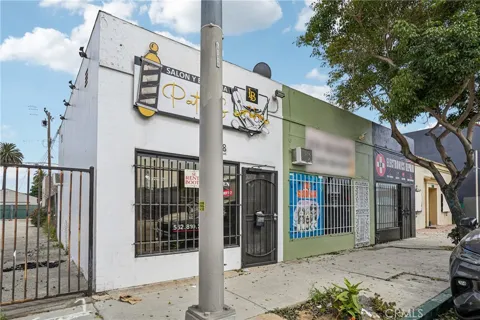
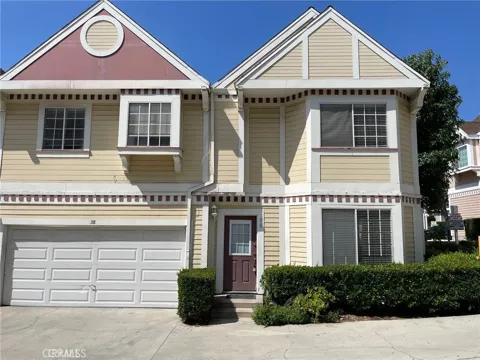
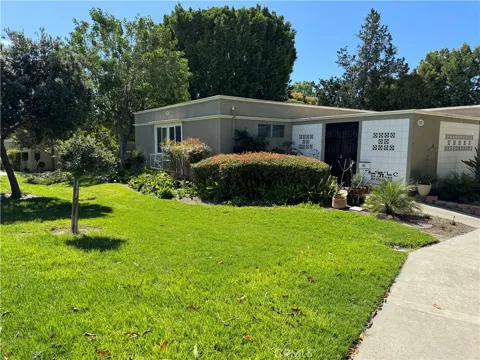
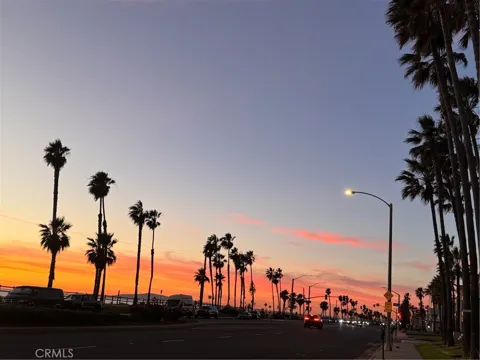
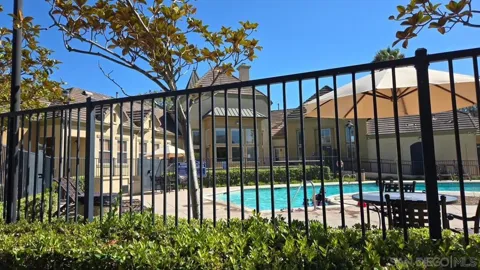
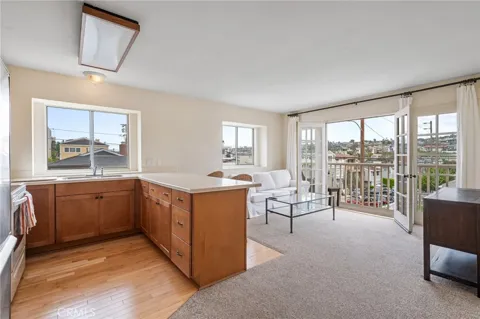
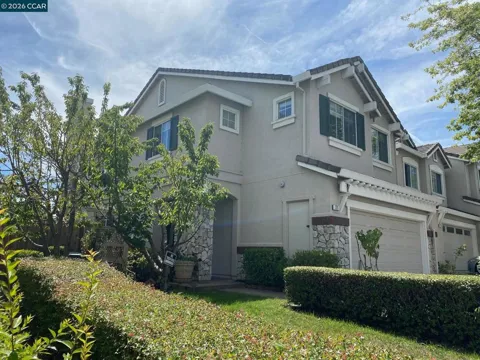
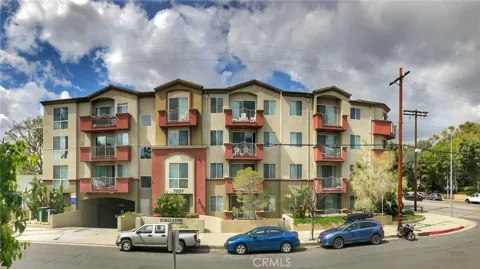
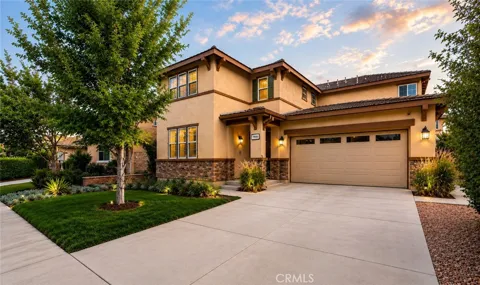
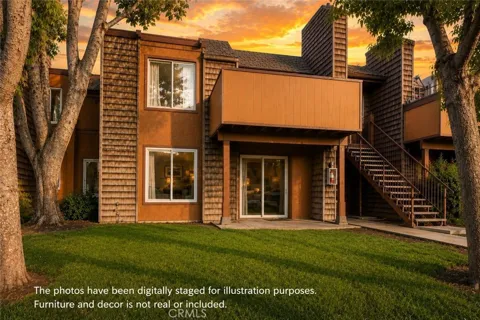
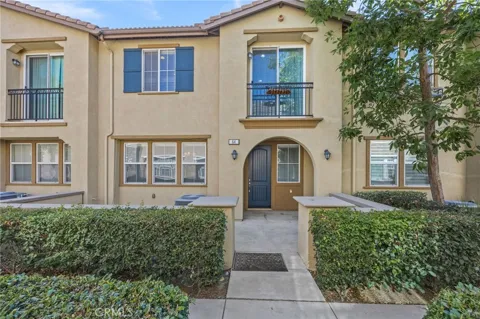
For sale
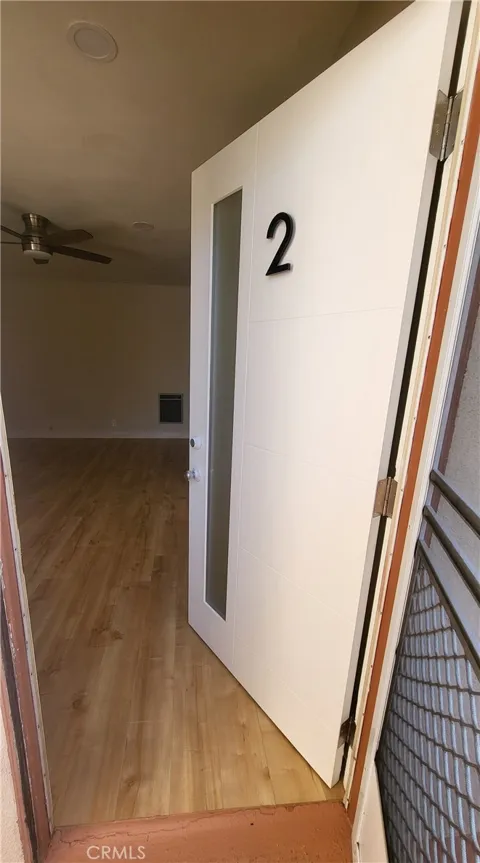
Condos in Fontana, CA
Handpicked properties hitting the scene in your area.
Zip Codes
BROWSE BY ZIP
Browse listings by postal code in this area.
- Grid
- Map
- List
Contact us
Jessie Espinosa | Century 21 Select Real Estate, Turlock
1351 Geer Road, Ste. 103 Turlock, CA 95380
City Guide
About Fontana
Real Estate & Housing
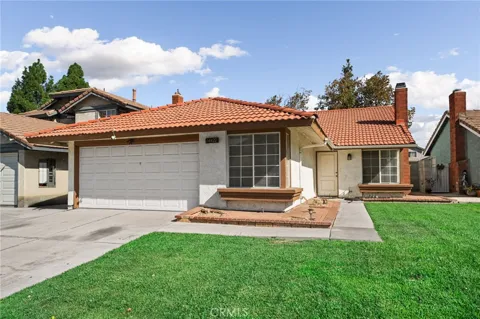
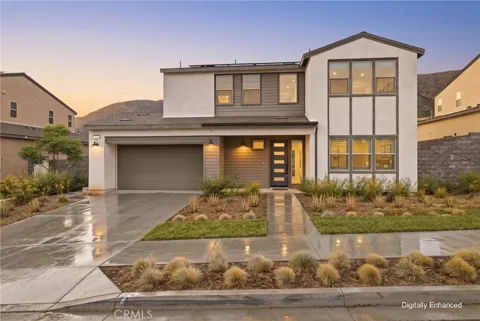
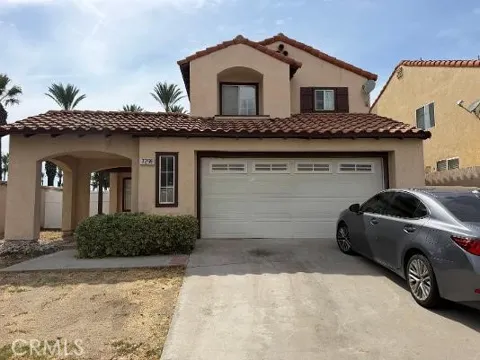
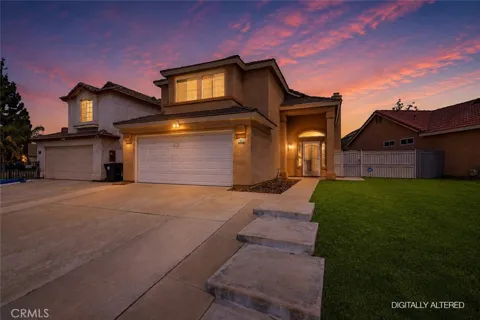
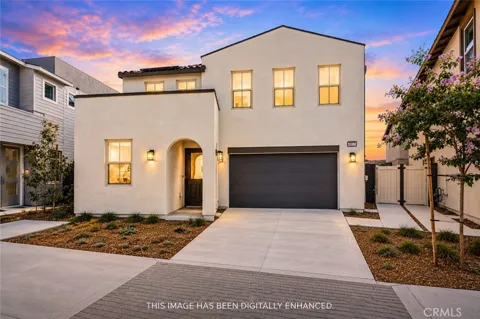
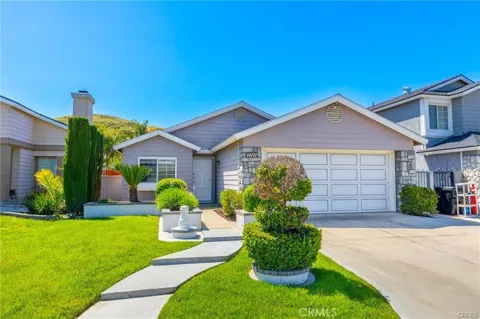
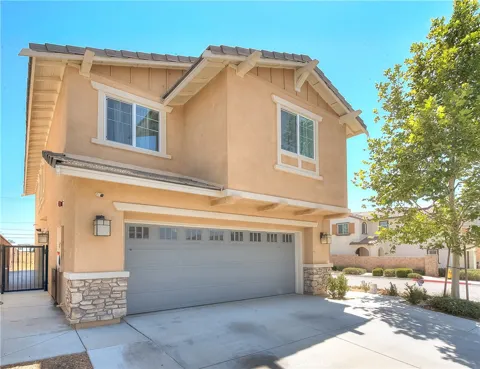
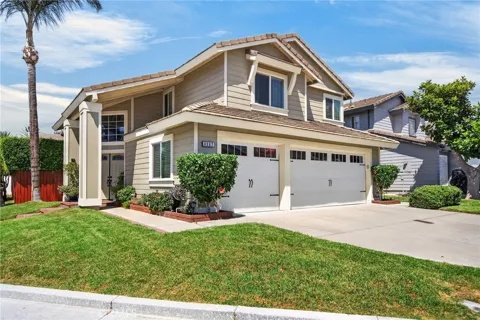
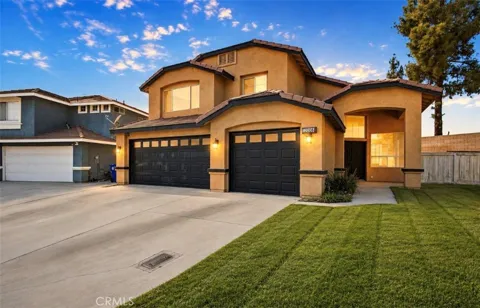
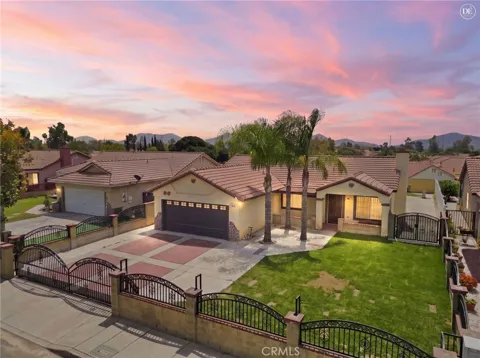
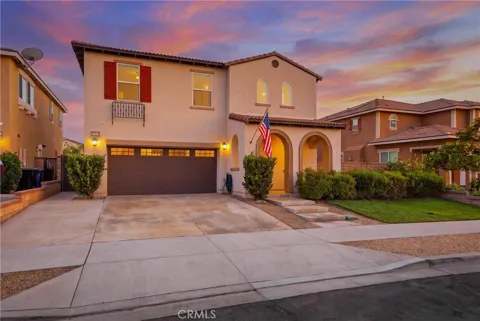
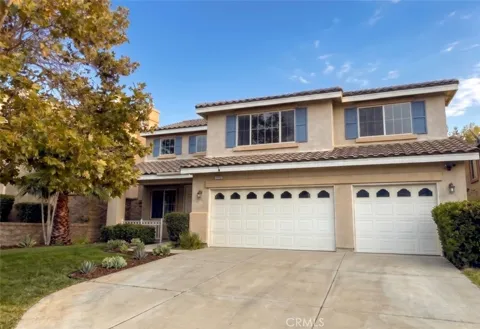
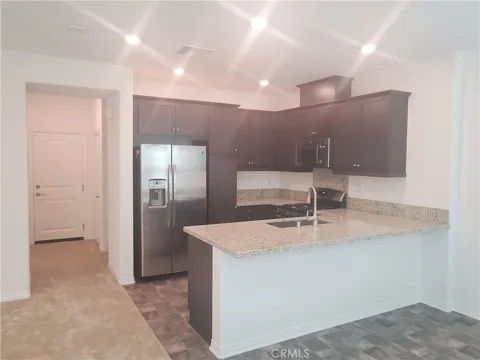
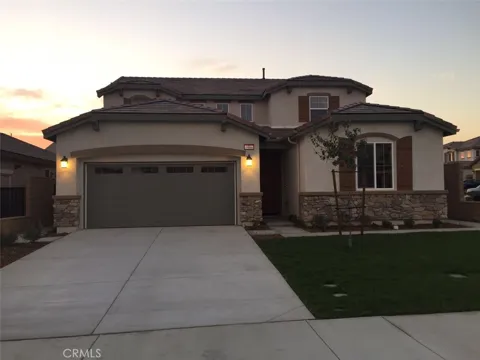
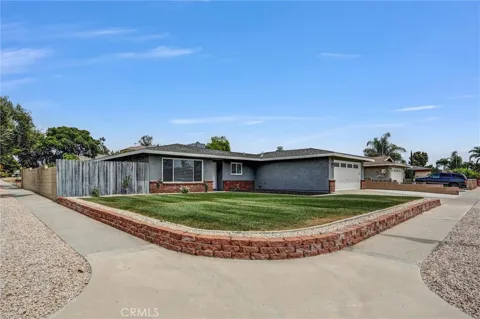
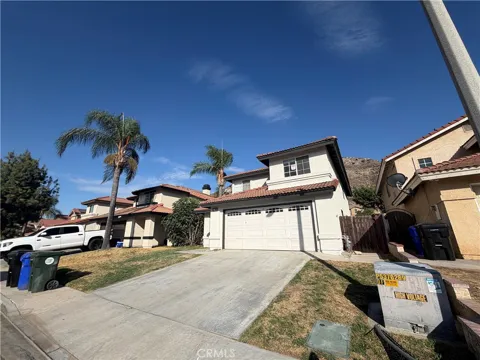
Fontana's housing market is broad and diverse, reflecting the city's size and its transformation from an industrial town to a large suburban center. The stock includes older single-family homes near the historic downtown and along the Route 66 corridor of Foothill Boulevard, mid-century houses built during the Kaiser Steel era, and extensive newer single-family subdivisions and townhome communities on the city's northern and western edges, many with views of the San Bernardino Mountains. As one of the Inland Empire's major residential markets, Fontana offers a spectrum from entry-level homes to larger move-up properties in master-planned communities. The city's logistics economy supports a large workforce, and its housing has historically been more attainable than coastal Los Angeles and Orange County, drawing families and first-time buyers seeking space and freeway access. Larger-lot and foothill properties add variety at the city's edges.
Neighborhoods
Fontana's neighborhoods span the city's long north-south geography, from the historic core near Foothill Boulevard and the old Route 66 alignment to the foothill subdivisions of the north side. The southern and central areas hold the city's older homes and established commercial corridors, while the north side, toward the San Bernardino Mountains, has seen extensive newer single-family development in master-planned communities. Areas near the Auto Club Speedway and the former Kaiser Steel site blend industrial reuse with retail and entertainment, reflecting the city's layered history. Neighborhoods such as those around Fontana Park, Oak Grove Park, and the Jurupa Hills offer green, family-oriented settings. The city's more than 40 parks and community centers are distributed throughout, and the multiple school districts serving different parts of the city make school assignment a neighborhood-by-neighborhood consideration for families.
Lifestyle in Fontana
Fontana's lifestyle is shaped by its role as a large, working-class Inland Empire suburb with strong regional connections. Daily life centers on family, parks, and community programs, with the city's recreation system offering sports leagues, community centers, and events across its more than 40 parks. The Auto Club Speedway brings motorsports events and entertainment, and the nearby Glen Helen Amphitheater in San Bernardino hosts major concerts. Dining reflects the region's diversity, with a wide range of Mexican, Central American, and international restaurants along the city's commercial corridors, and larger retail at the Victoria Gardens and Ontario-area centers. The San Bernardino Mountains provide a scenic backdrop and quick access to hiking, while the beaches and cultural amenities of Los Angeles and Orange County are reachable via the freeway network. Fontana suits families and commuters who value space, affordability, and access to the Inland Empire's jobs.
Schools & Education
Public education in Fontana is served by multiple school districts, a common pattern in San Bernardino County. Fontana Unified School District is the largest, serving the majority of the city, while portions of Fontana fall within neighboring districts such as Etiwanda, Rialto Unified, Colton Joint Unified, and others depending on the specific address. This means school assignment varies significantly by neighborhood, and it is a key consideration for relocating families. The districts operate a wide network of elementary, middle, and high schools across the city, offering a range of academic, career, and extracurricular programs. For higher education, Chaffey College, a community college, serves the area, and California State University, San Bernardino is nearby. Families should confirm their specific school district and assignments through the city's online mapping tool or the relevant district.
Getting Around
Fontana occupies one of the Inland Empire's most strategically located transportation positions. Interstate 10 runs east-west along the city's southern edge toward Los Angeles and San Bernardino, while Interstate 15 runs north-south toward the High Desert and Las Vegas, with the two freeways meeting at the city's southwestern corner. This interchange, combined with major rail yards and proximity to the ports of Los Angeles and Long Beach, underpins Fontana's role as a logistics and distribution powerhouse. Metrolink commuter rail serves the city via the San Bernardino Line, offering a rail option into Los Angeles and the Inland Empire. Ontario International Airport lies just to the west, and the region's freeway network connects Fontana to Los Angeles, Orange County, and San Diego. The city is car-dependent for most daily travel, and freeway congestion is a routine part of the regional commute.
Parks & Recreation
Fontana's recreation is anchored by a large park system and its mountain setting. The city maintains more than 40 parks, sports facilities, and community centers, including Fontana Park, Oak Grove Park, and the Martin Tudor Jurupa Hills Regional Park, which offers hiking and views of the San Bernardino Mountains. The city's recreation programs run youth and adult sports leagues, aquatics, and community events. The Auto Club Speedway provides motorsports entertainment, and the Glen Helen Amphitheater in nearby San Bernardino hosts large-scale concerts. The San Bernardino National Forest lies directly to the north, offering hiking, camping, and winter recreation within a short drive. The Jurupa Hills and regional trails add open space, while the region's proximity to Big Bear Lake and the mountains makes outdoor recreation a year-round option for residents.
About Fontana
Frequently asked questions
What county is Fontana, California in?
Fontana is located in San Bernardino County, California, in the Inland Empire region of Southern California. It sits about 50 miles east of downtown Los Angeles, at the junction of Interstate 10 and Interstate 15.
What is Fontana, California known for?
Fontana is known as the second-largest city in San Bernardino County and a major logistics and distribution hub. It grew around a Kaiser Steel mill opened in 1942, the first of its kind on the West Coast, and later became home to the Auto Club Speedway.
What school district serves Fontana, California?
Fontana is served by multiple school districts. Fontana Unified School District covers the majority of the city, while portions fall within districts such as Etiwanda, Rialto Unified, and Colton Joint Unified. School assignment depends on the specific address.
How far is Fontana from Los Angeles?
Fontana is about 50 miles east of downtown Los Angeles, reachable via Interstate 10, and sits at the junction of I-10 and I-15. Ontario International Airport is just west of the city, and Metrolink commuter rail provides service into Los Angeles.
Still have questions about Fontana?
Get in touchExplore the area