Santa Monica Mountains Coastline
About Malibu, CA
Welcome to Malibu, a coastal Los Angeles County city with 21 miles of Pacific shoreline, famed surf breaks, and the scenic Santa Monica Mountains.
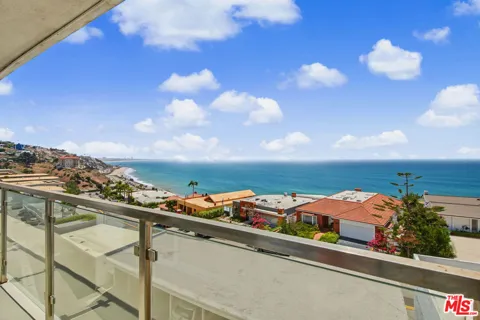
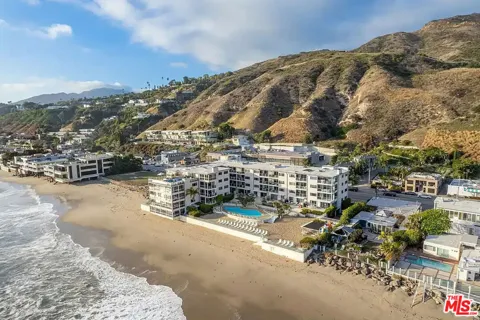
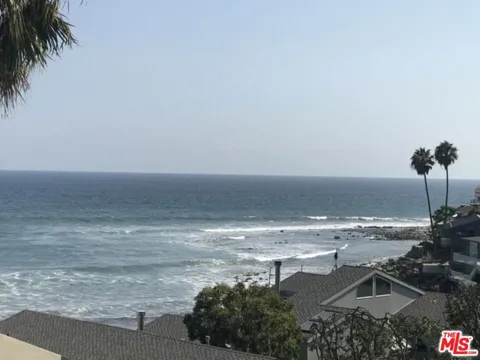
Malibu is a coastal city in Los Angeles County, California, located in the Santa Monica Mountains along 21 miles of Pacific Ocean coastline. Incorporated on March 28, 1991, the city covers about 19.8 square miles and has a population of roughly 10,700. Malibu is one of the most recognizable coastal communities in the country, known for its beaches, surf culture, scenic canyon roads, and oceanfront homes. The city's identity is inseparable from its shoreline. Surfrider Beach, near the Malibu Pier, was named the first World Surfing Reserve, recognizing its place in the history of surfing, while Zuma Beach serves as a broad, family-friendly stretch of sand. Malibu Lagoon State Beach, the Malibu Pier, and the Adamson House add to a coastline that draws visitors from around the world. Behind the beaches, the Santa Monica Mountains National Recreation Area provides trails, canyons, and open space that give the city its distinctive natural backdrop. Higher education anchors part of the community: Pepperdine University's main campus sits along the Pacific Coast Highway above the ocean, and the campus is its own census-designated place. Public schools are provided by the Santa Monica-Malibu Unified School District. Malibu's residential character is defined by oceanfront estates, bluff-top contemporaries, and hillside homes. Point Dume, on the beach side of PCH, is known for its large lots and sweeping ocean views, while Malibu Colony and other beachside enclaves hold long-standing waterfront properties. Canyon communities add equestrian and mountainside options. Transportation is dominated by the Pacific Coast Highway, which runs the length of the city and connects it to Santa Monica and Los Angeles, while canyon roads link inland to the 101 Freeway. The city is largely car-dependent, with Metro bus service along PCH. Malibu suits residents drawn to a coastal, outdoors-oriented lifestyle, and its combination of beaches, mountains, and scenic seclusion makes it one of the most distinctive places to live in Los Angeles County.

MARKET SNAPSHOT
The Market at a Glance
How homes have been selling here over the last 90 days.
Price & Sales History
Market data reflects closed sales over the last 90 days and is provided for informational purposes.
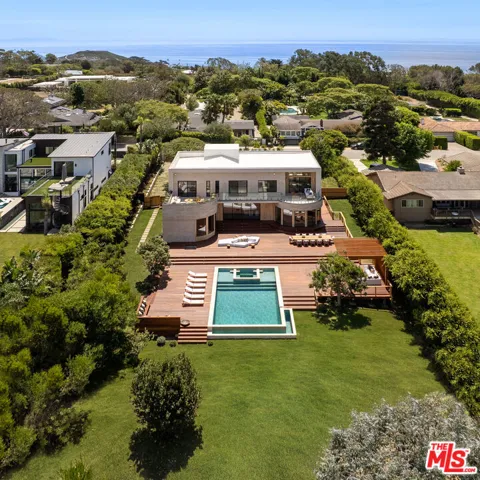
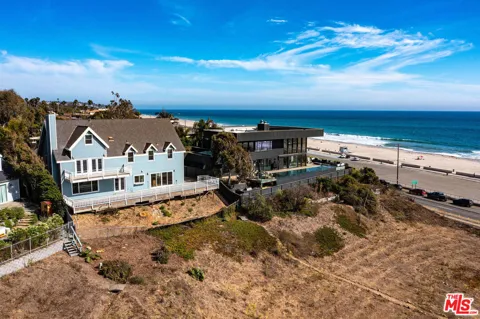
For sale
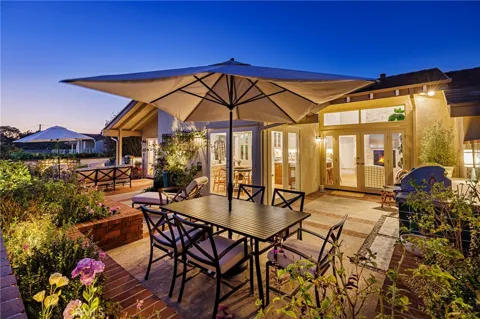
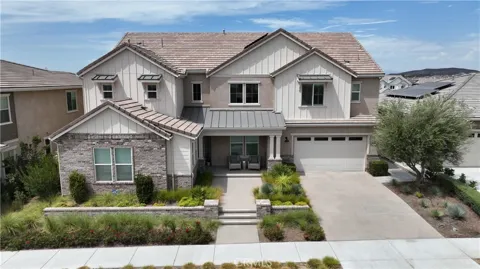
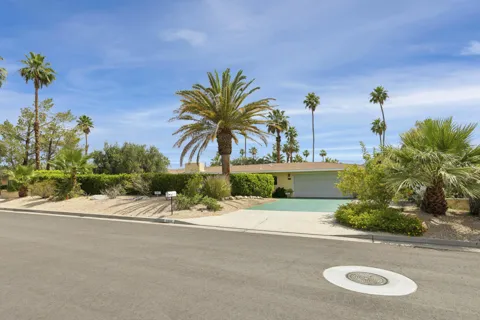
Houses in Malibu, CA
Handpicked properties hitting the scene in your area.
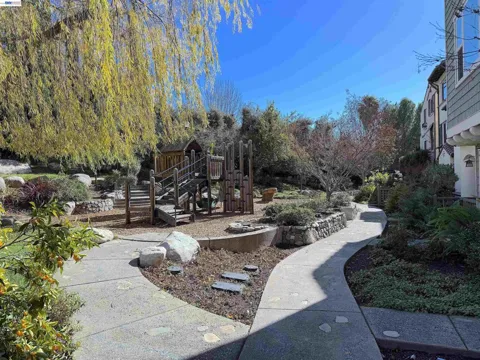
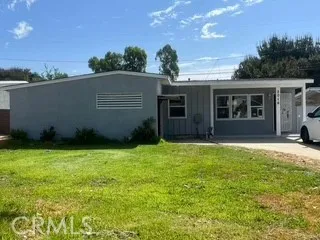
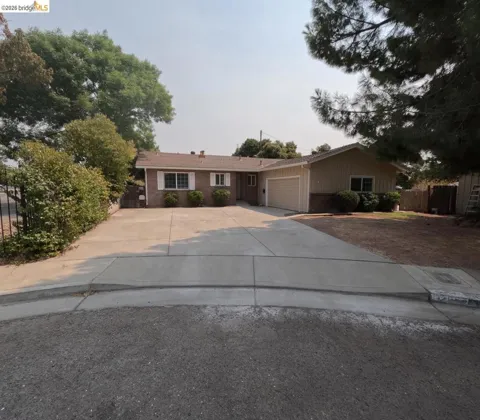
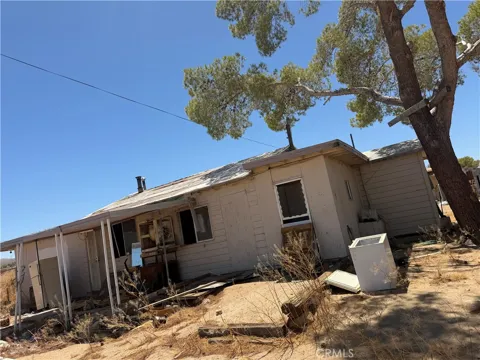
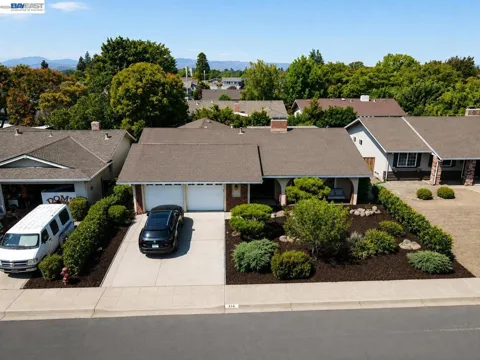
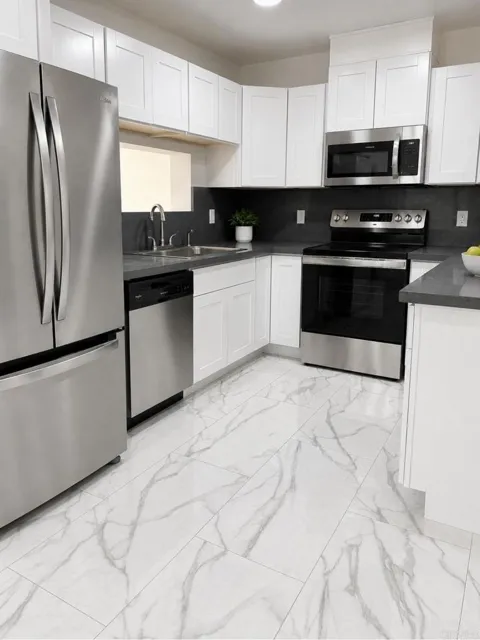
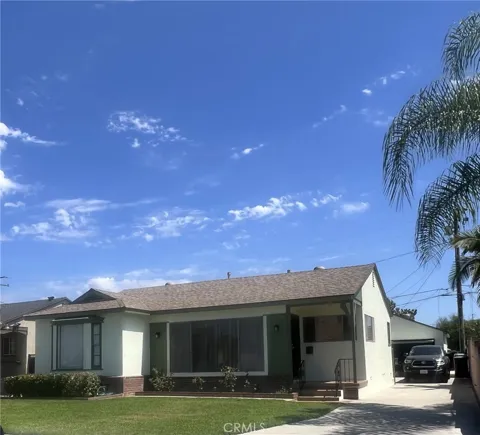
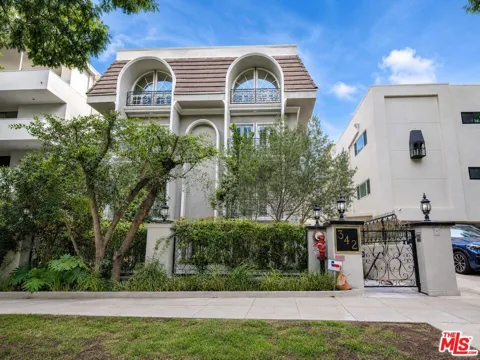
For sale
Townhomes in Malibu, CA
Handpicked properties hitting the scene in your area.
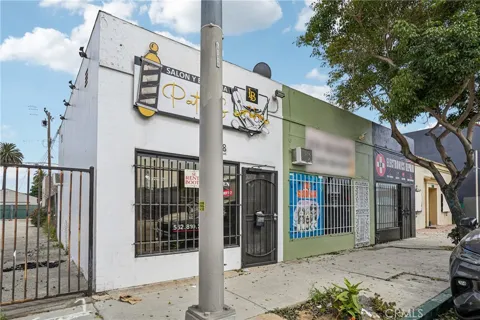
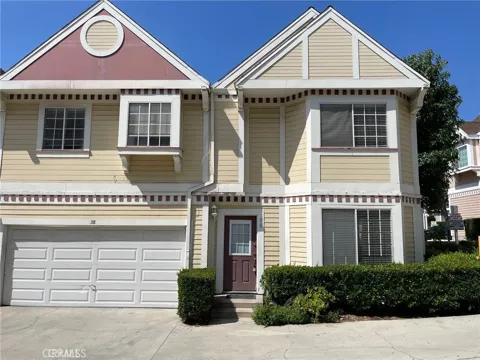
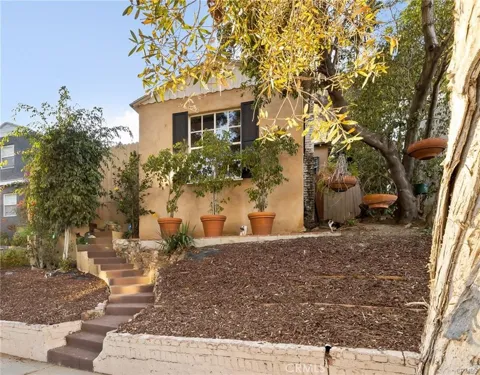
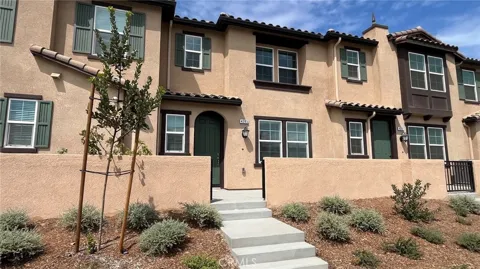
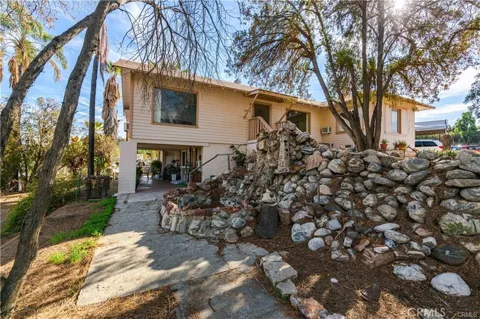
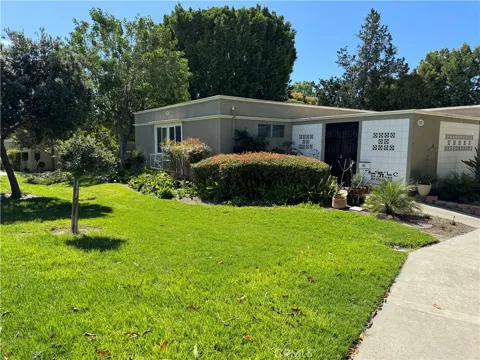
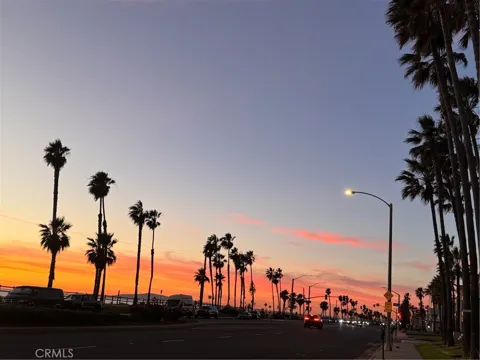
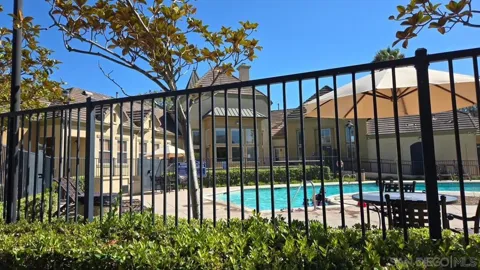
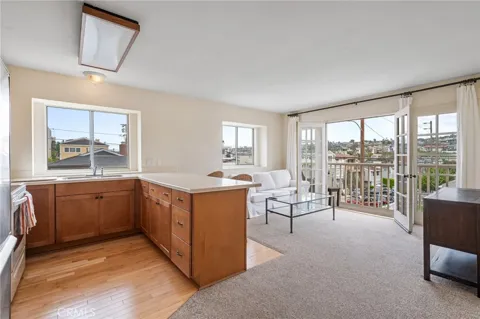
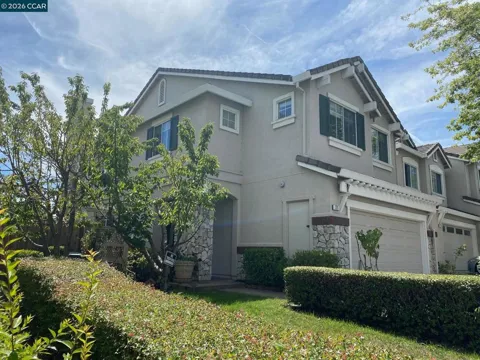
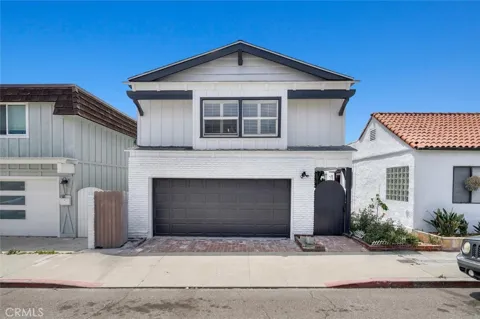
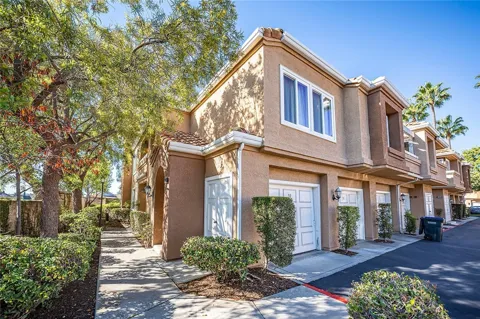
For sale
Condos in Malibu, CA
Handpicked properties hitting the scene in your area.
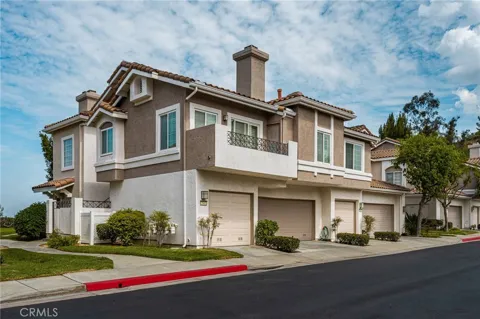
Zip Codes
BROWSE BY ZIP
Browse listings by postal code in this area.
- Grid
- Map
- List
Contact us
Jessie Espinosa | Century 21 Select Real Estate, Turlock
1351 Geer Road, Ste. 103 Turlock, CA 95380
City Guide
About Malibu
Real Estate & Housing
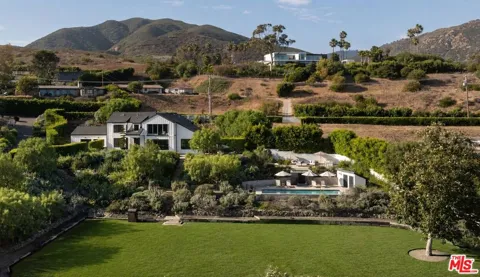
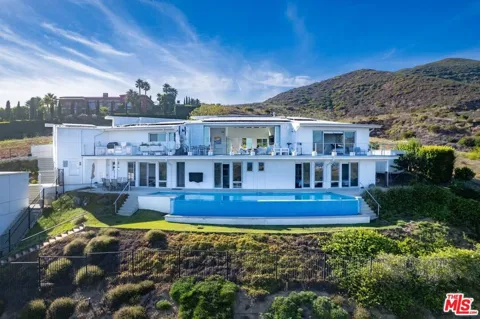
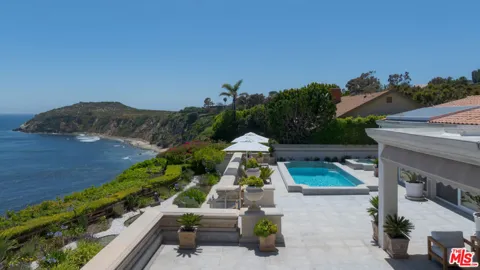
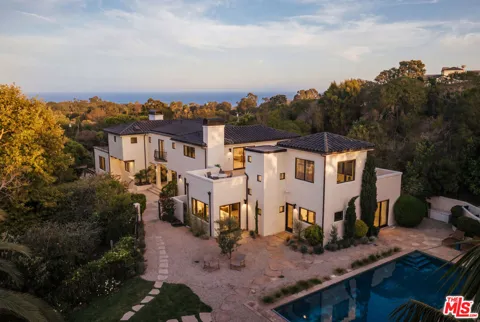
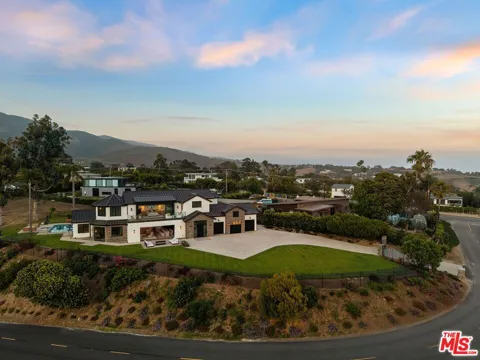
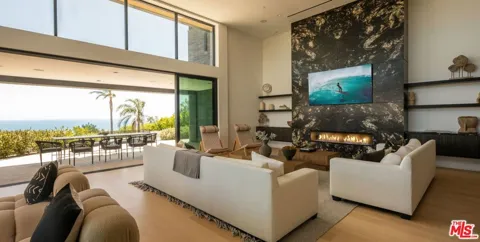
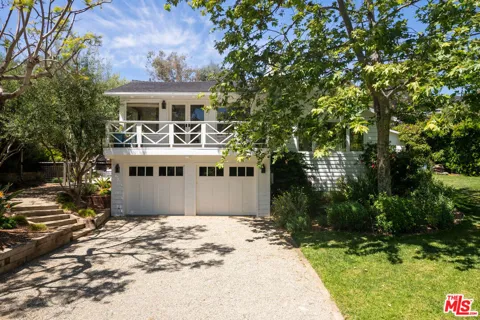
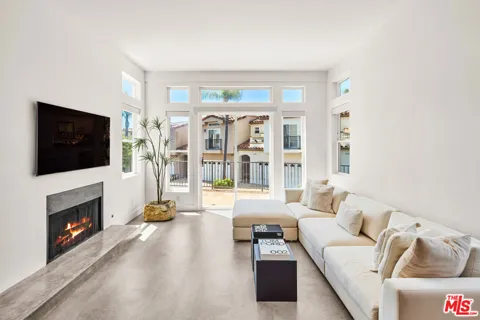
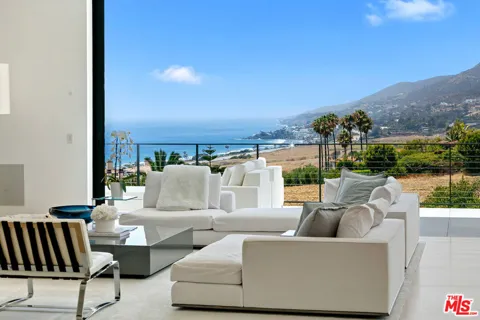
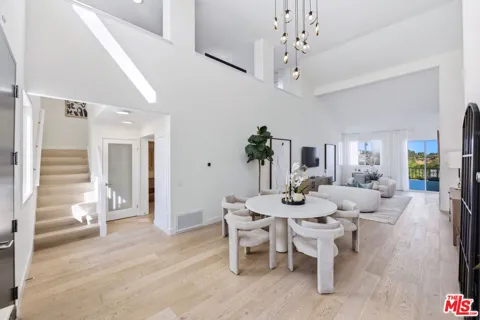
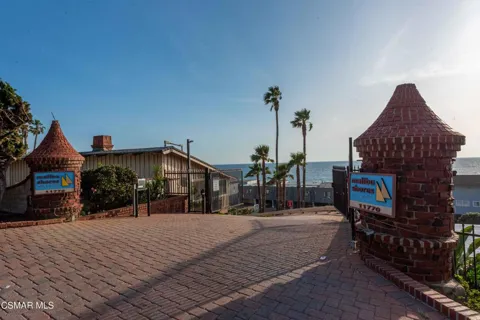
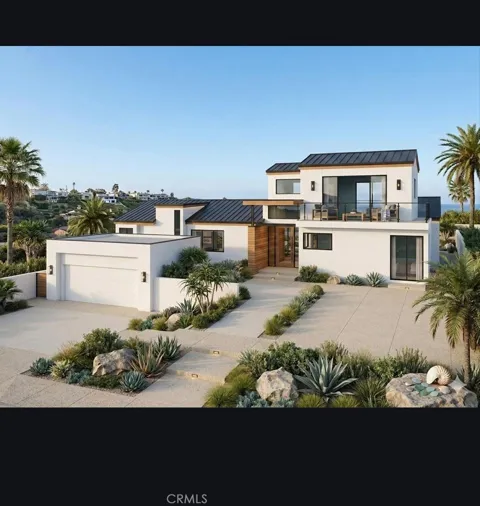
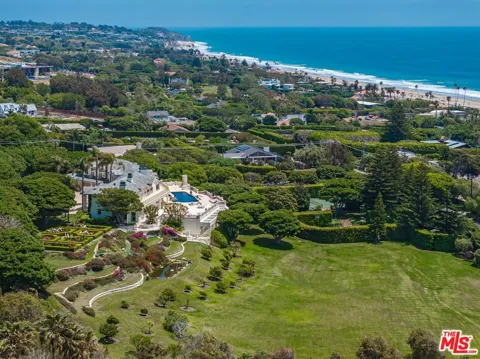
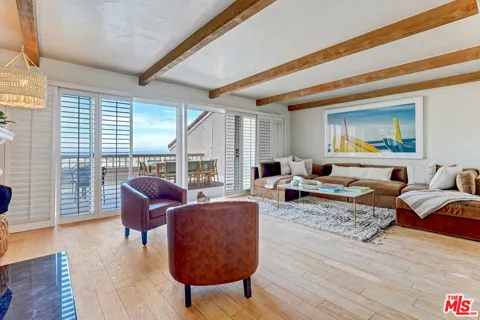
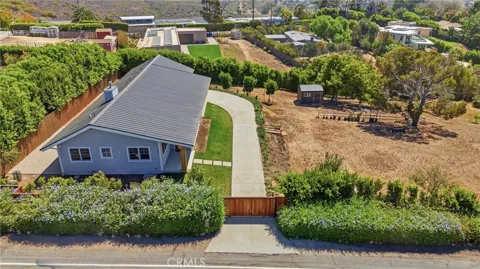
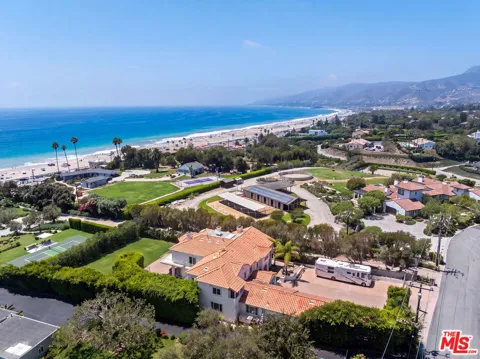
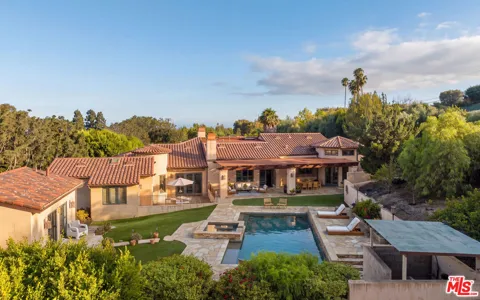
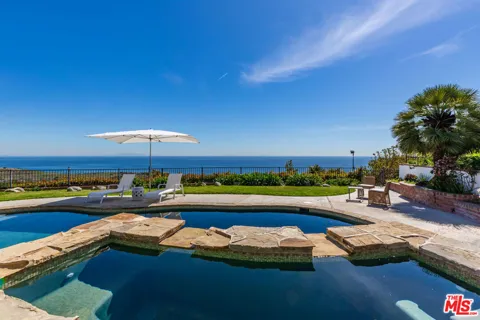
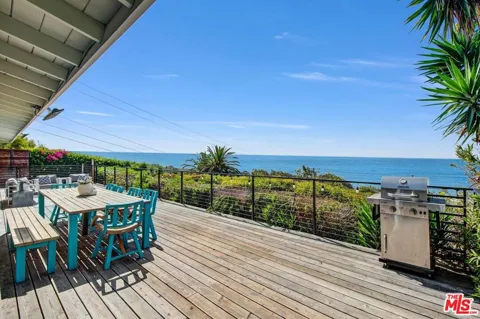
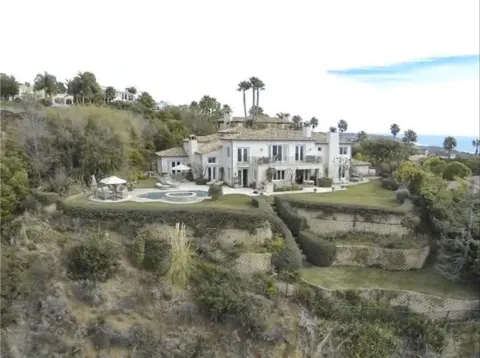
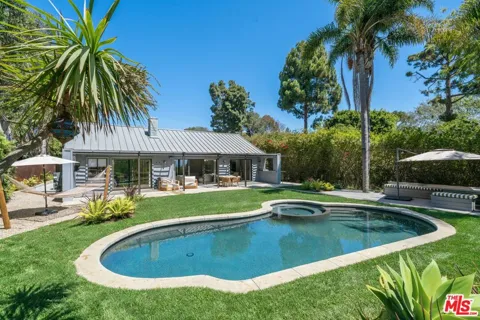
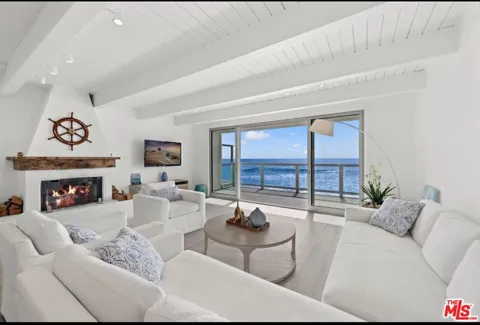
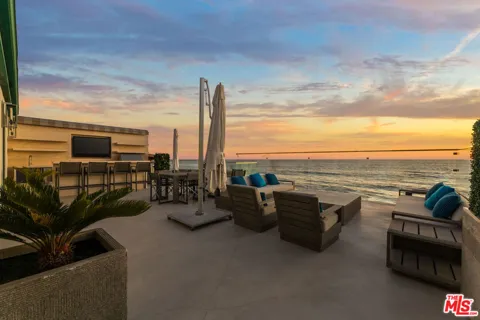
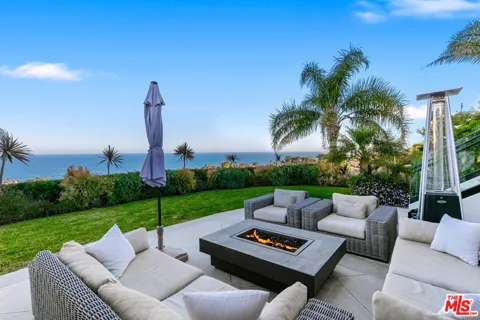
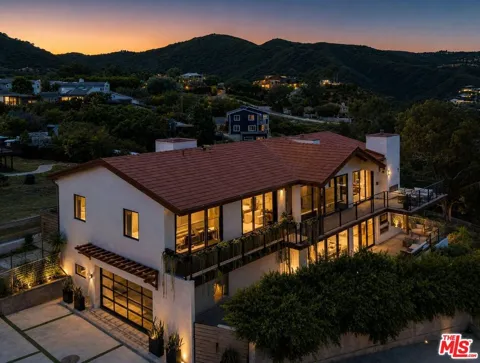
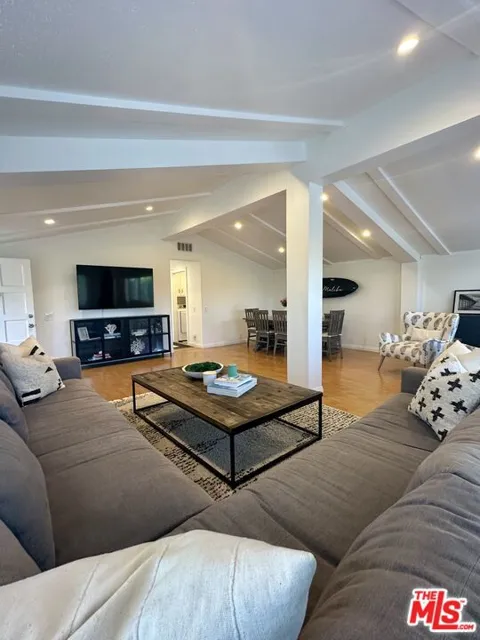
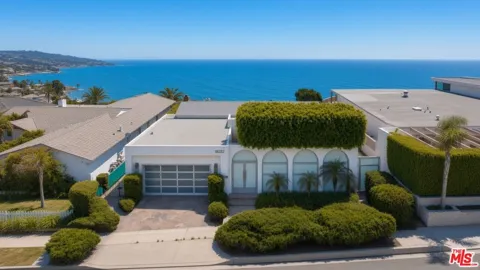
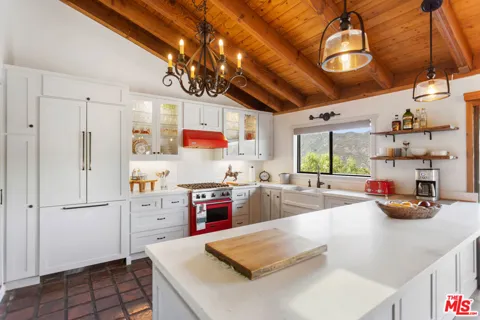
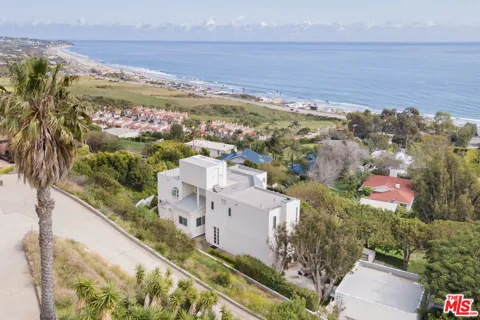
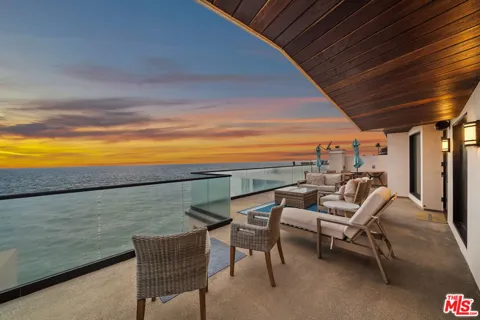
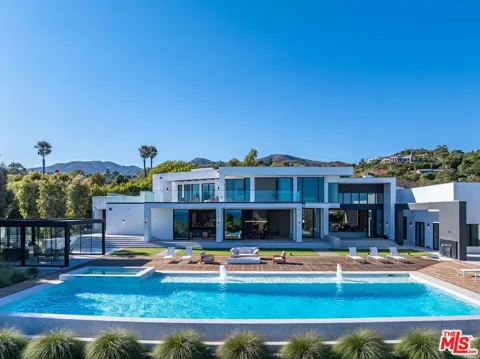
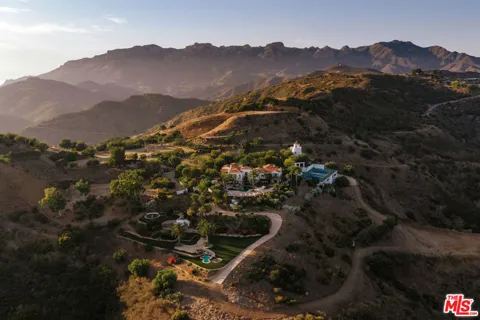
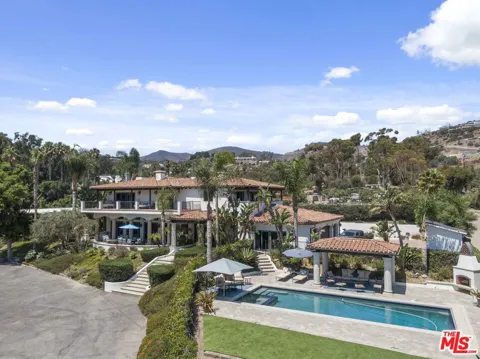
Malibu's housing stock is dominated by oceanfront estates, bluff-top homes, and hillside properties that take advantage of the city's dramatic coastal setting. Point Dume, known as the "Malibu Riviera," features large lots of an acre or more with homes ranging from sprawling ranch-style houses to cutting-edge contemporary designs above cliff-lined beaches. Malibu Colony and the city's beachside enclaves hold long-standing oceanfront properties, while the Point Dume Club mobile home park offers a more accessible foothold in the community. Canyon and hillside areas add equestrian properties and homes within the Santa Monica Mountains. The stock skews heavily toward large-lot, view-oriented single-family homes, reflecting Malibu's position as a coastal enclave rather than a conventional suburb.
Neighborhoods
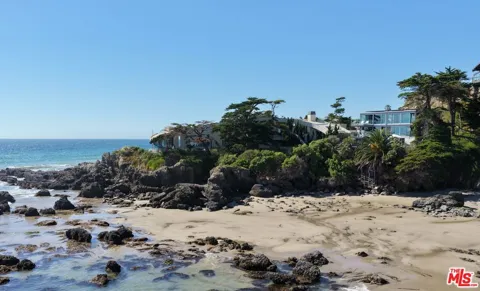
Malibu's neighborhoods are shaped by the coastline and the canyons. Point Dume, on the beach side of the Pacific Coast Highway, is the city's most distinctive area, with large bluff-top lots, private beaches, and tide pools, and it includes the Point Dume Club mobile home community. Malibu Colony holds some of the city's most storied oceanfront homes, while the central Malibu area around the pier and Surfrider Beach anchors the commercial and civic core. Canyon communities such as Malibu Canyon and the broader Santa Monica Mountains offer hillside and equestrian properties. This geography gives residents a range from beachside and bluff-top living to more secluded canyon settings along the coast.
Lifestyle in Malibu
Malibu's lifestyle is defined by the Pacific Ocean and a relaxed, outdoors-oriented coastal culture. Surfing is central to the city's identity, anchored by Surfrider Beach near the Malibu Pier, while beaches like Zuma draw families and sun-seekers throughout the year. The city's oceanfront setting, canyon roads, and proximity to the Santa Monica Mountains give daily life an outdoorsy, scenic quality distinct from urban Los Angeles. Pepperdine University adds an academic presence, and the community's long association with the entertainment industry lends it a low-key celebrity character. Life here revolves around the beach, the trails, and the slow pace of the Pacific Coast Highway corridor.
Schools & Education
Malibu is served by the Santa Monica-Malibu Unified School District, which operates public schools in both Malibu and Santa Monica. The district provides elementary, middle, and high school options for the community. Pepperdine University, a private university whose Malibu campus is its own census-designated place, sits along the Pacific Coast Highway and is a major educational and cultural presence in the city. This combination of a shared public district and a nationally recognized university gives Malibu families a distinctive educational landscape within a small coastal community.
Getting Around
Malibu is a largely car-dependent community organized around the Pacific Coast Highway, which runs the length of the city's coastline and connects it south to Santa Monica and Los Angeles. Canyon roads, including Malibu Canyon Road, link the coast inland to the 101 Freeway and the San Fernando Valley. Metro's 534 bus serves the Pacific Coast Highway corridor, providing limited public transit, while rideshare and shuttle services fill gaps. There is no heavy rail directly in Malibu. Commutes toward Los Angeles depend on PCH and canyon crossings, making travel times sensitive to coastal traffic and seasonal beach congestion.
Parks & Recreation
Recreation in Malibu is defined by the ocean and the mountains. Surfrider Beach, the first World Surfing Reserve, anchors a world-class surf scene near the Malibu Pier, while Zuma Beach offers a wide, family-friendly stretch of sand. Malibu Lagoon State Beach combines wetlands, birdwatching, and the historic Adamson House, and the Malibu Pier provides fishing and sightseeing. Inland, the Santa Monica Mountains National Recreation Area offers hiking, including trails such as Solstice Canyon, with canyon and ridgeline views. This combination of iconic beaches, surf breaks, and mountain trails gives Malibu residents year-round access to some of Southern California's most celebrated outdoor settings.
About Malibu
Frequently asked questions
What county is Malibu in?
Malibu is in Los Angeles County, California, in the northwestern portion of the county. The city sits in the Santa Monica Mountains and fronts the Pacific Ocean along roughly twenty-one miles of coastline.
What is Malibu known for?
Malibu is known for its beaches, surf culture, and scenic coastline. Surfrider Beach, near the Malibu Pier, was named the first World Surfing Reserve, and the city is also known for its oceanfront estates and the Pepperdine University campus.
What school district serves Malibu?
Malibu is served by the Santa Monica-Malibu Unified School District, which operates public schools in both communities. Pepperdine University, a private university, has its main campus in Malibu along the Pacific Coast Highway.
What university is in Malibu?
Pepperdine University has its main campus in Malibu, located along the Pacific Coast Highway above the ocean. The university is a major educational and cultural institution in the city and is designated as its own census area.
How do people get around Malibu?
Malibu is largely a car-dependent community, with the Pacific Coast Highway running along its coastline and canyon roads connecting inland to the 101 Freeway. Metro's 534 bus serves the Pacific Coast Highway corridor, and there is no heavy rail directly in the city.
Still have questions about Malibu?
Get in touchExplore the area