Conejo Valley Hub in Ventura County
About Thousand Oaks, CA
Welcome to Thousand Oaks, the largest city in Ventura County's Conejo Valley, known for its open space, strong schools, and a safe, family-oriented suburban setting between Los Angeles and the coast.
Thousand Oaks is a city in southeastern Ventura County, California, and the largest community in the Conejo Valley, a suburban region bounded by the Santa Monica Mountains to the south and the Simi Hills to the north. It lies along the U.S. 101 corridor roughly forty miles west of downtown Los Angeles and about a dozen miles inland from the Pacific coast at Malibu. Incorporated in 1964, the city grew through the annexation of surrounding unincorporated land, most notably Newbury Park on its western side, which joined the city through the late 1960s and 1970s. The city is perhaps best known nationally for two things: its reputation as one of the safest large cities in the United States and its role as a hub for the biotechnology industry. Amgen, one of the world's largest biotech companies, is headquartered in Thousand Oaks, anchoring a life-sciences employment base that shapes the city's professional character. The local economy also benefits from the broader Conejo Valley's technology, finance, and services sectors. Education and open space are central to the community's identity. Students attend the Conejo Valley Unified School District, and California Lutheran University, a private liberal arts university, is located within the city. The Conejo Open Space Conservation Agency, a partnership between the city and the Conejo Recreation and Park District, protects extensive open space that wraps around the developed areas. Wildwood Regional Park, a 1,765-acre preserve, offers trails to Paradise Falls and Lizard Rock, while the surrounding hills and the Santa Monica Mountains provide a nearly continuous natural backdrop. With a population of roughly 127,000, Thousand Oaks is a mature, fully developed suburb that prizes order, safety, and quality of life. It suits families seeking strong schools and open space, professionals working in biotech or commuting to Los Angeles or the San Fernando Valley, and those who want a calm, well-planned community with easy access to both the city and the coast.

MARKET SNAPSHOT
The Market at a Glance
How homes have been selling here over the last 90 days.
Price & Sales History
Market data reflects closed sales over the last 90 days and is provided for informational purposes.
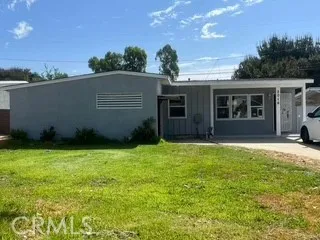
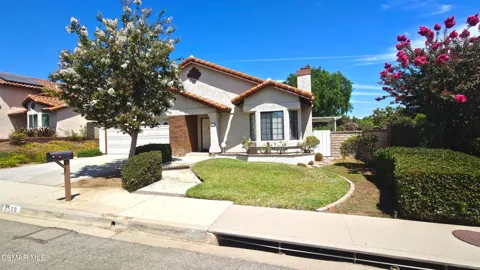
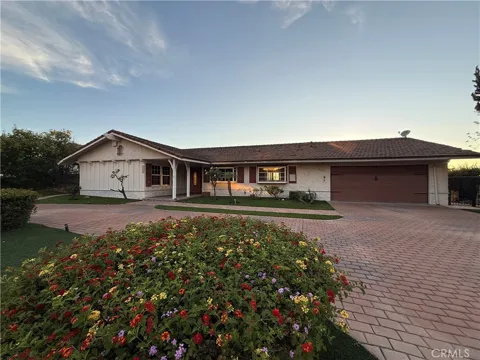
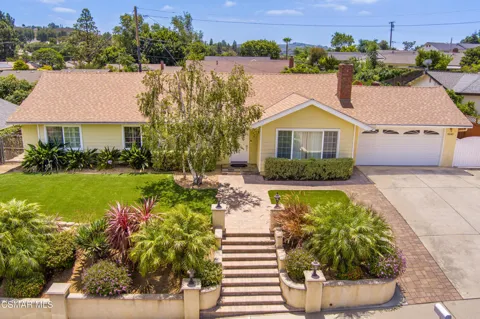
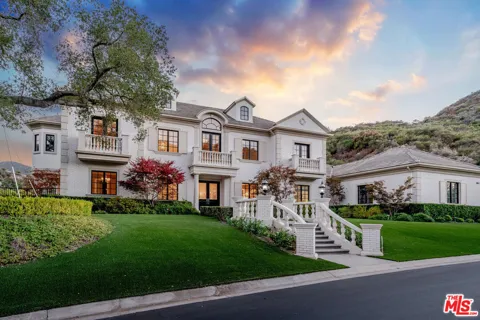
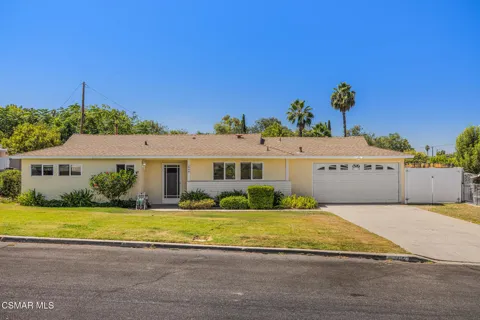
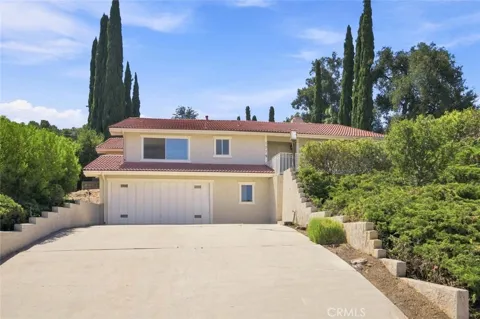
For sale
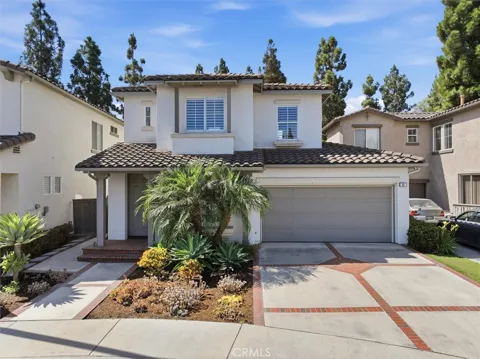
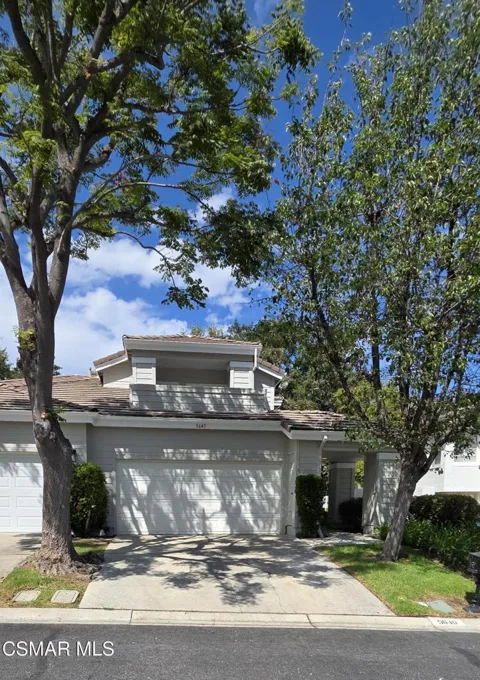
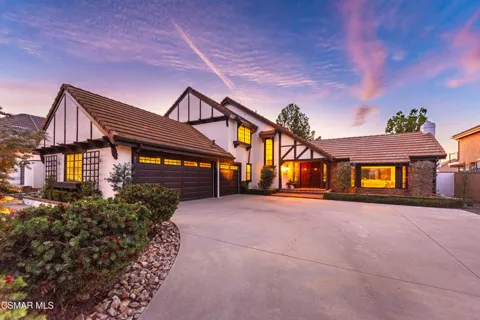
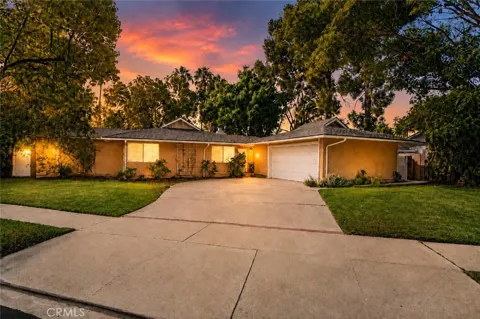
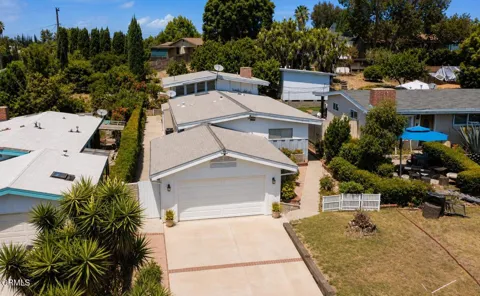
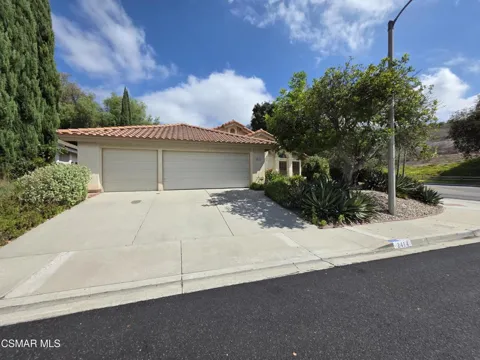
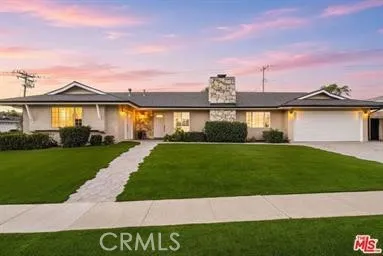
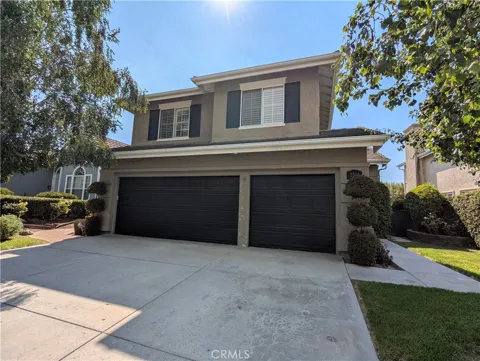
Houses in Thousand Oaks, CA
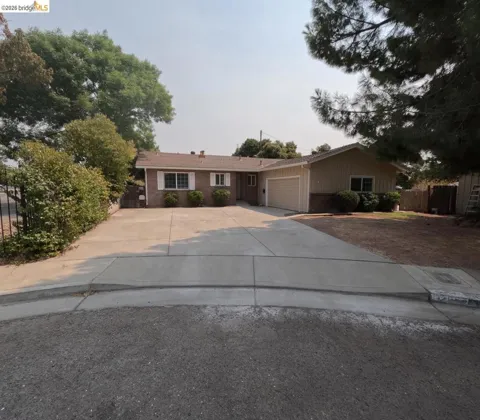
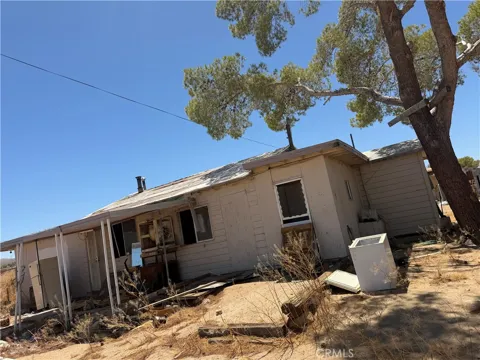
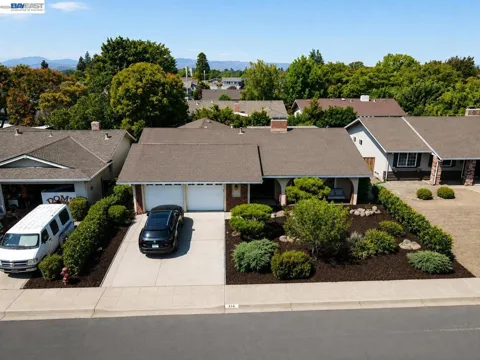
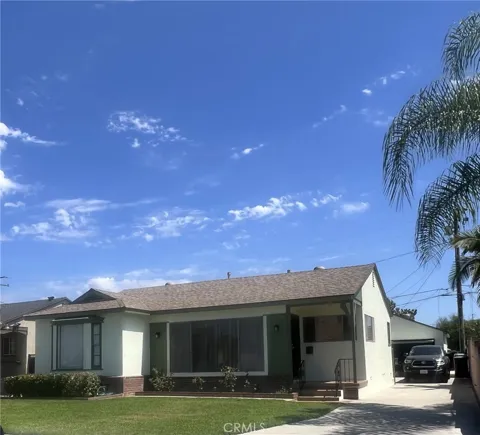
Handpicked properties hitting the scene in your area.
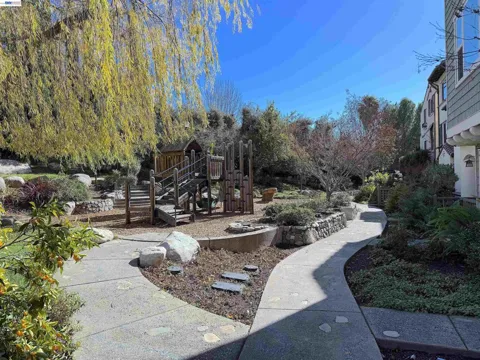


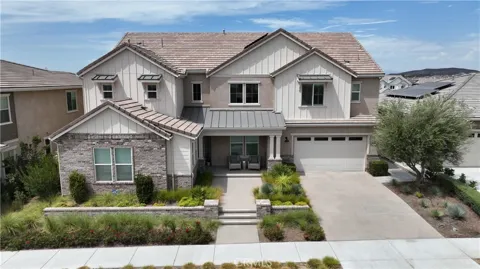
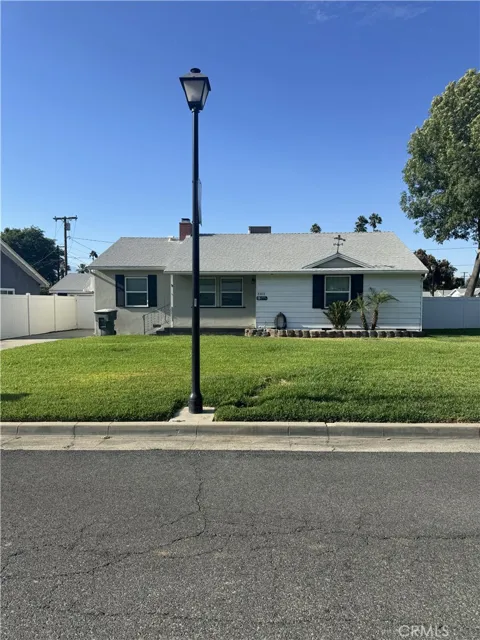
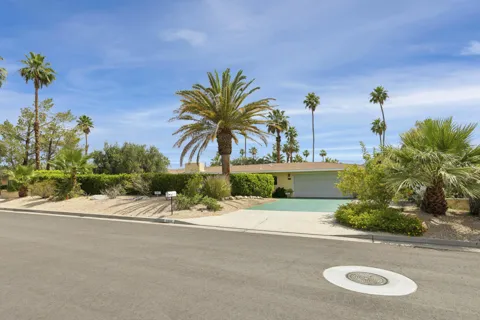
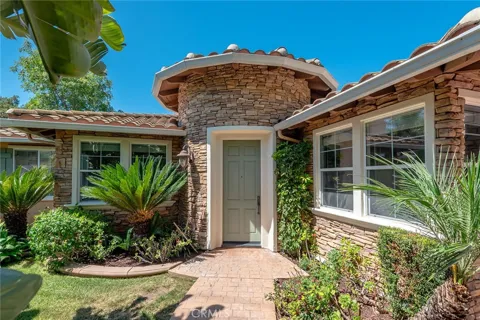
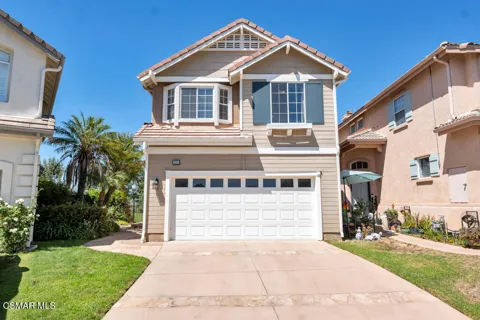
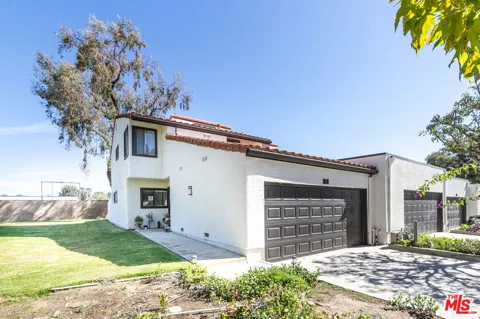
For sale
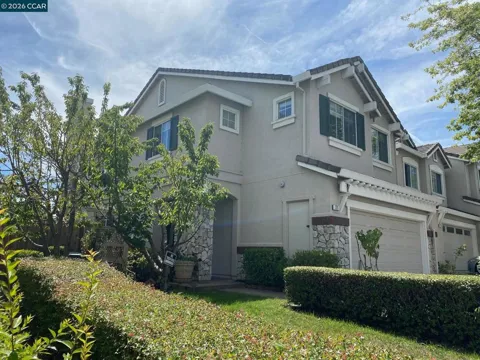
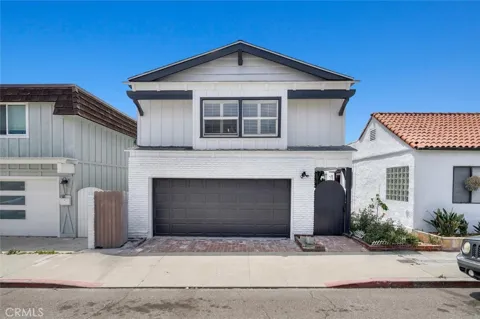
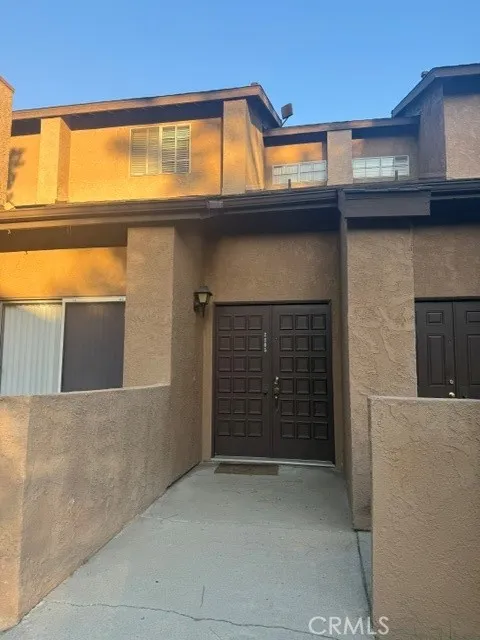
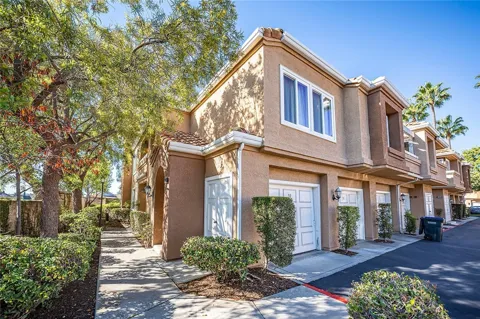
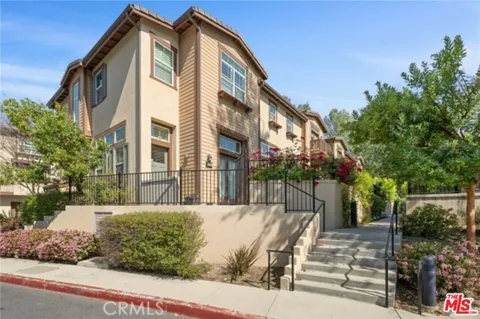
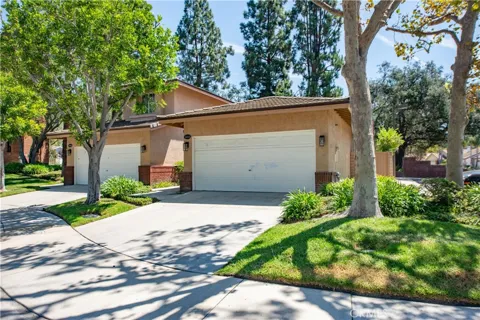
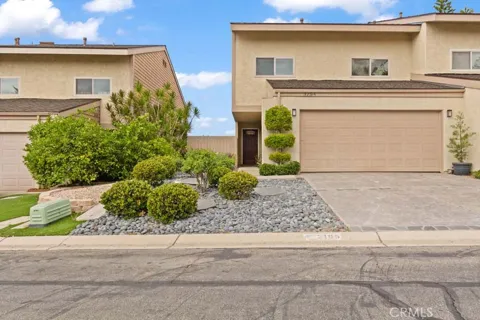
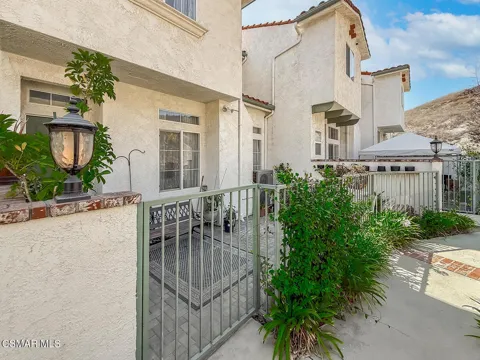
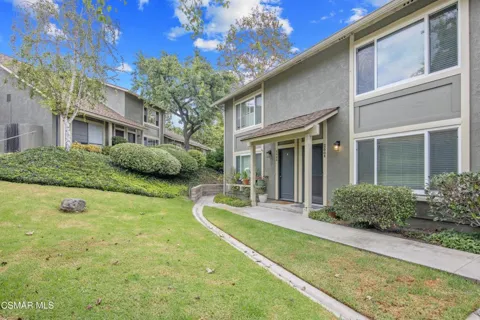
Townhomes in Thousand Oaks, CA
Handpicked properties hitting the scene in your area.
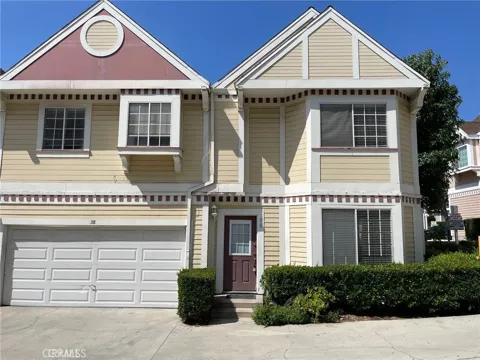
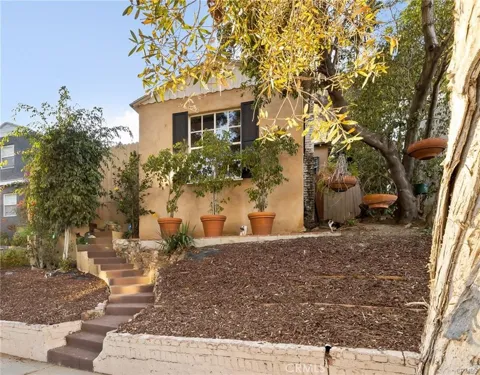
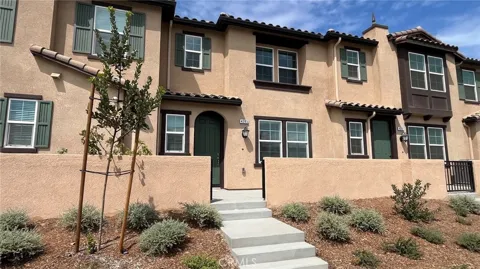
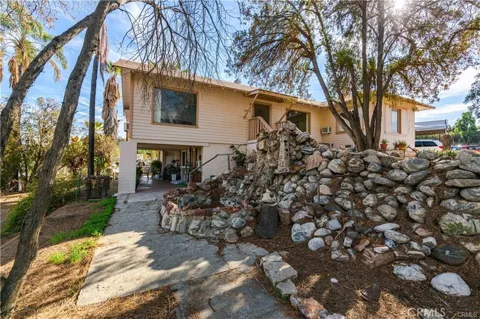
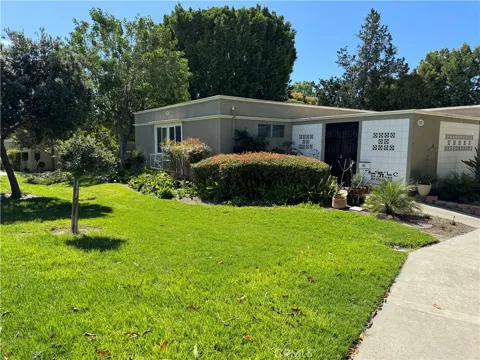
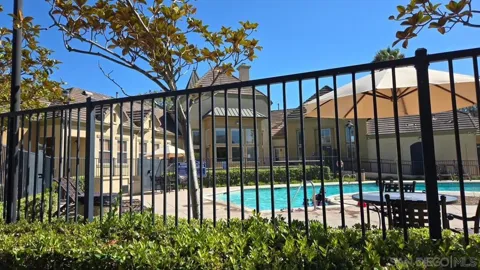
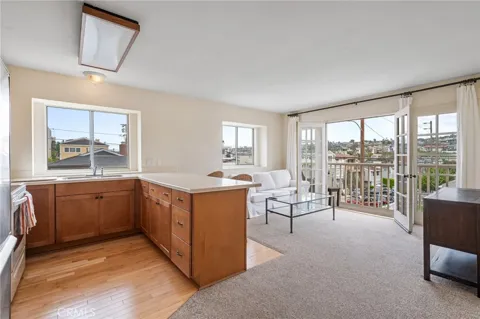
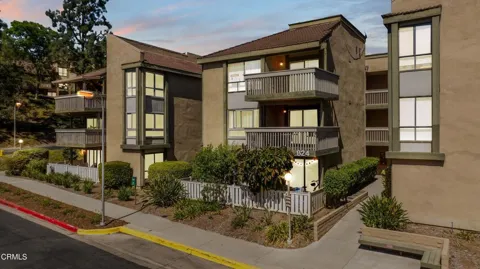
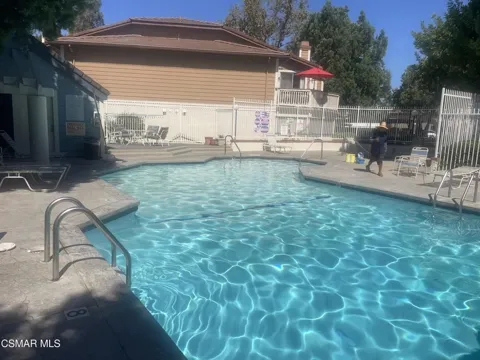
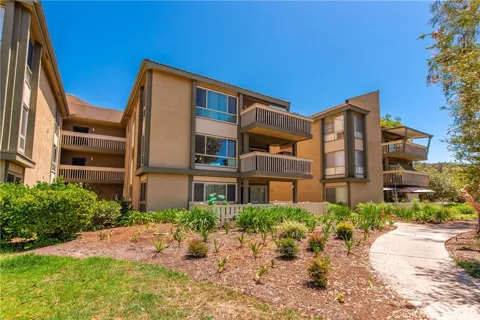
For sale
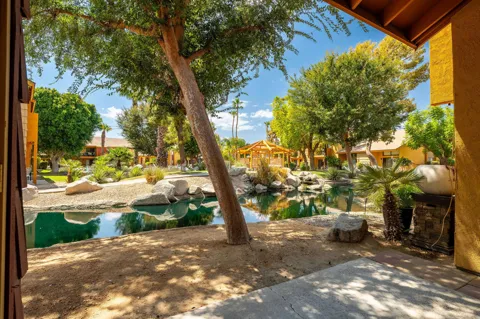
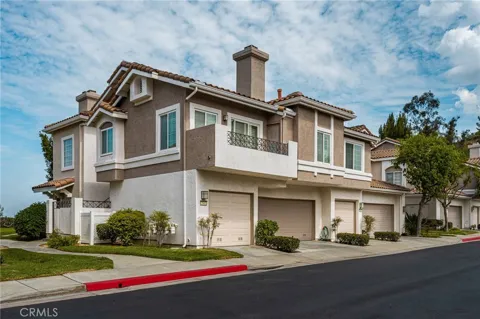
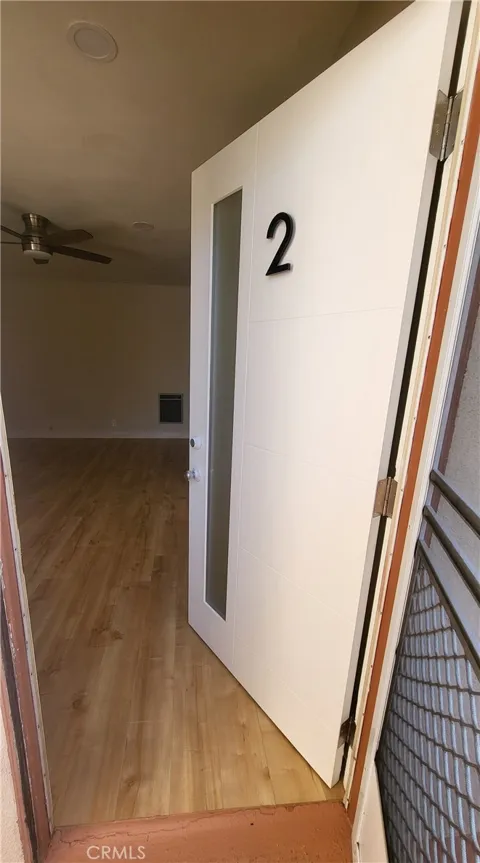
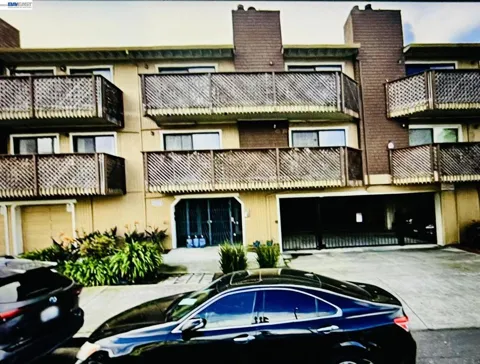
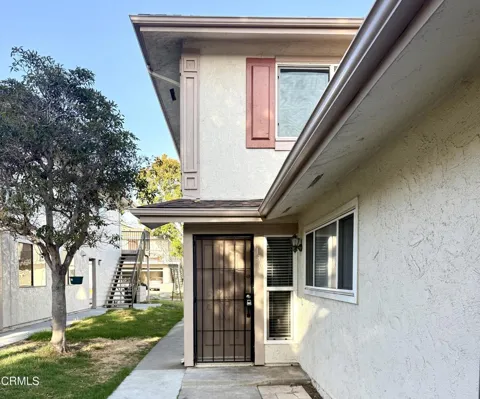
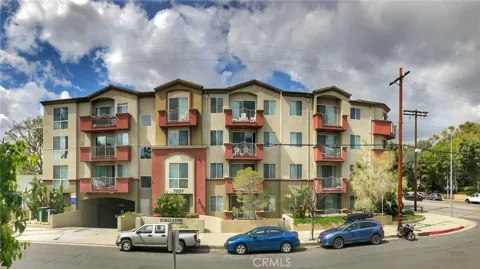
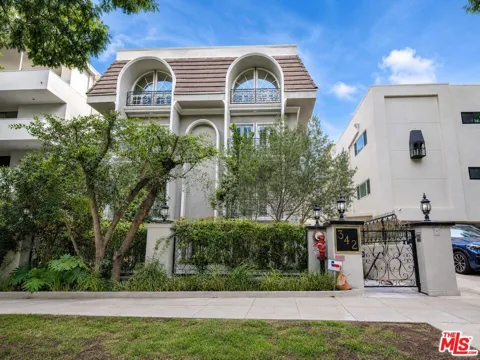
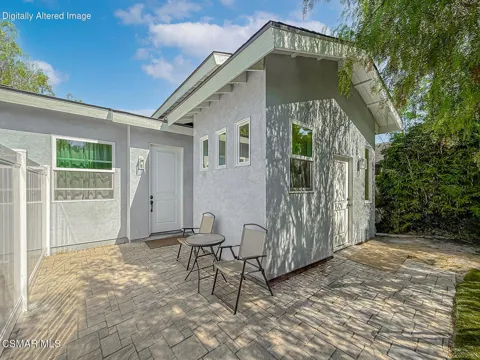
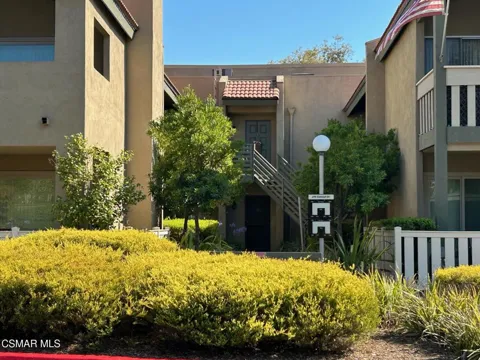
Condos in Thousand Oaks, CA
Handpicked properties hitting the scene in your area.
Zip Codes
BROWSE BY ZIP
Browse listings by postal code in this area.
- Grid
- Map
- List




Contact us
Jessie Espinosa | Century 21 Select Real Estate, Turlock
1351 Geer Road, Ste. 103 Turlock, CA 95380
City Guide
About Thousand Oaks
Real Estate & Housing
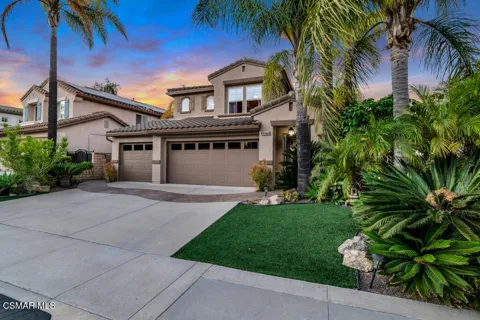
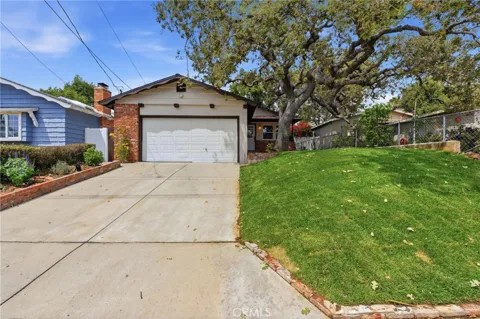
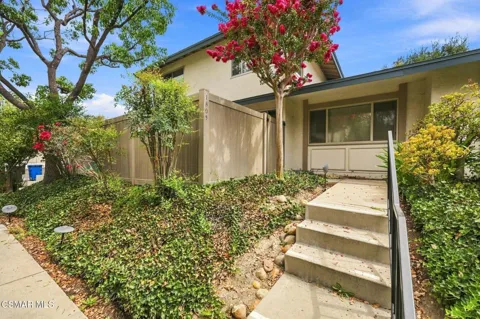
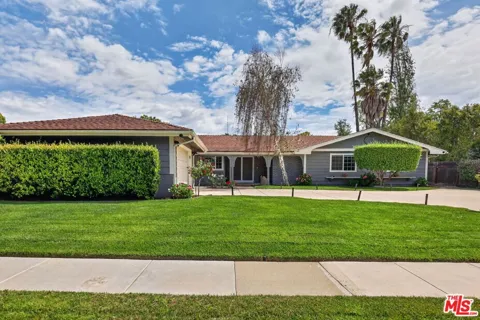
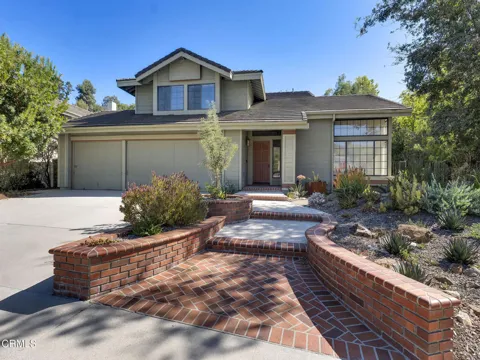
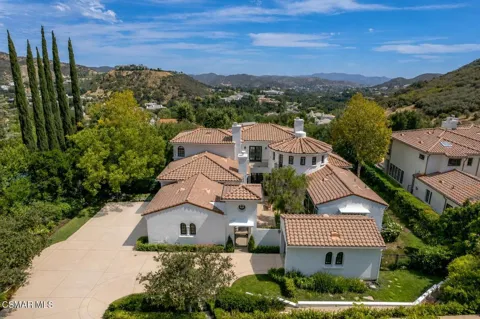
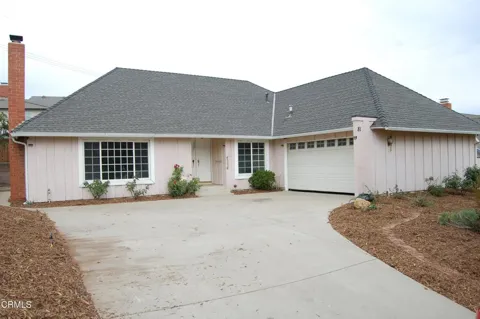
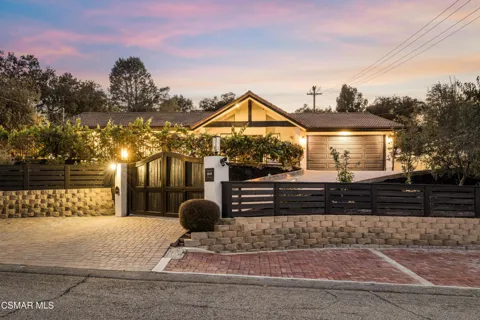
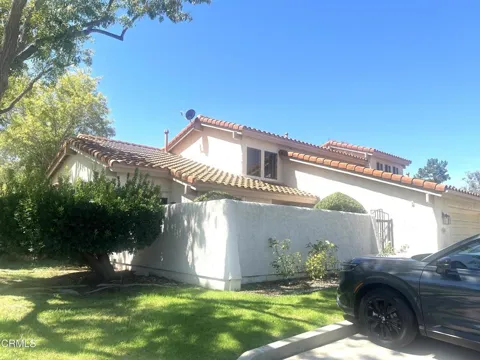
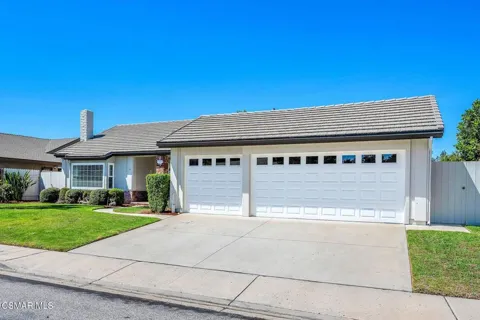
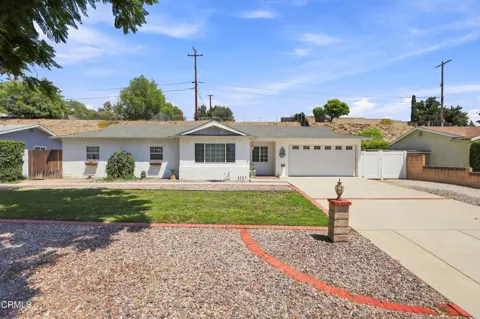
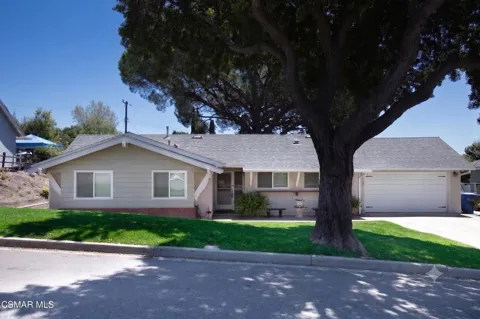
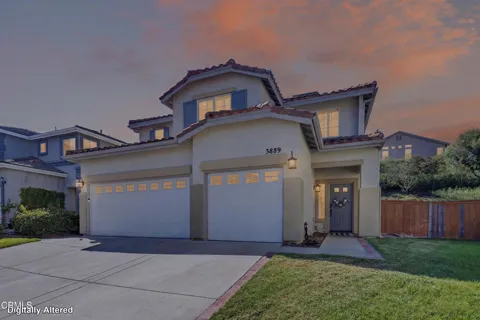
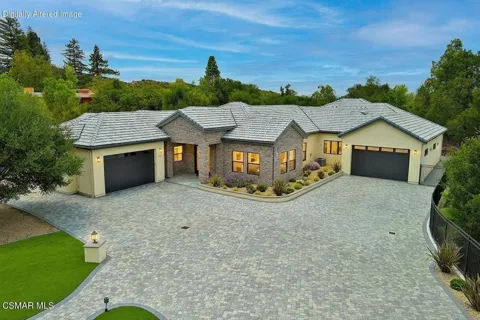
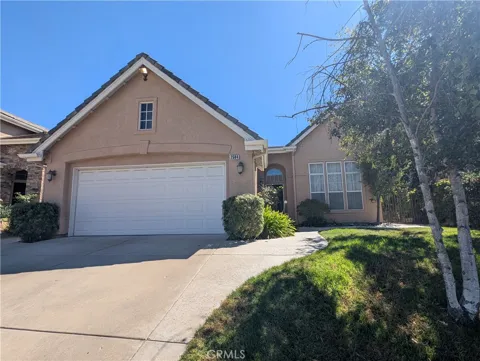
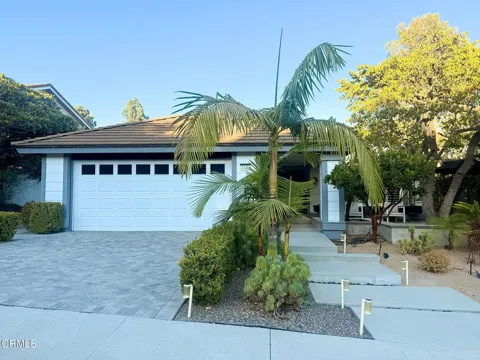
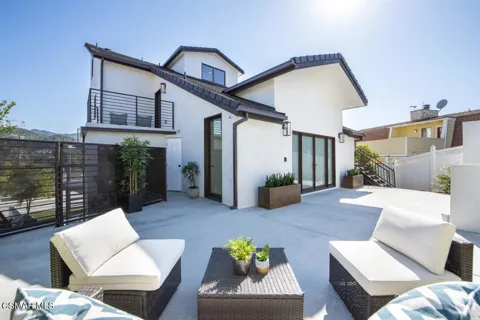
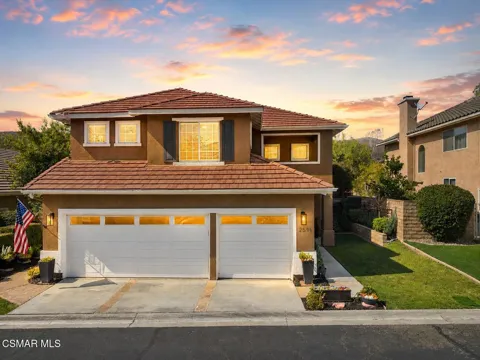
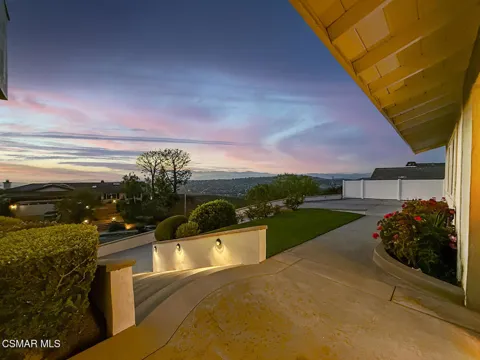
Thousand Oaks' housing stock is predominantly planned suburban construction from the 1960s through the 1990s and beyond, reflecting its growth after 1964 incorporation. Buyers find a large supply of single-family tract homes—ranch and two-story styles—on generously sized lots, along with master-planned communities that include newer hillside and gated developments. The Newbury Park area, annexed in the 1960s and 1970s, offers its own mix of established neighborhoods and later subdivisions, including larger planned communities on the city's edges. Condominiums and townhomes add lower-maintenance options near commercial centers. Lot sizes and street layouts tend to be more spacious than in closer-in Los Angeles suburbs, and many homes emphasize views of the surrounding hills. The market skews toward move-up and family buyers, with a settled, well-maintained character rather than rapid infill.
Neighborhoods
Thousand Oaks is organized around several distinct districts. Newbury Park, the city's western section, was annexed from unincorporated Ventura County land in the 1960s and 1970s and now includes both established neighborhoods and newer master-planned communities such as Dos Vientos near the hills. The central portion of the city, around the Civic Arts Plaza and The Oaks shopping area, holds many of the commercial and civic anchors. Residential streets fan out toward the open-space ridges, with communities like Lynn Ranch and the neighborhoods near Wildwood Regional Park prized for their trail access and larger lots. Farther east, the city transitions toward Westlake Village and the Los Angeles County line. Throughout, neighborhoods are quiet and low-density, with the Conejo Valley's characteristic blend of mature landscaping, curving streets, and preserved hillsides defining the character.
Lifestyle in Thousand Oaks
Thousand Oaks offers a polished, family-centered suburban lifestyle built around safety, schools, and the outdoors. The city's open-space network means hiking, mountain biking, and trail running are woven into daily routines, with Wildwood Regional Park's Paradise Falls and Lizard Rock among the most popular destinations. The Civic Arts Plaza brings performing arts and cultural events to the city center, while the Oaks and other retail areas provide shopping and dining without leaving town. Weekends often involve the Santa Monica Mountains, nearby beaches in Malibu, or youth sports across the Conejo Recreation and Park District's facilities. The community is quiet and orderly, appealing to families, professionals in the biotech and technology sectors, and residents who value a low-key, secure environment with Los Angeles and the coast both within reach.
Schools & Education
Thousand Oaks is served by the Conejo Valley Unified School District, a well-regarded district that operates elementary, middle, and high schools across the city and neighboring Conejo Valley communities. The district's reputation is a primary driver of family relocations to the area, and school attendance is tied to residential location within the valley. California Lutheran University, a private liberal arts institution with its main campus in Thousand Oaks, adds a higher-education presence and cultural programming to the city. The area also offers a range of private school options. The presence of a strong K-12 district alongside a four-year university gives Thousand Oaks a robust educational landscape, supporting everything from early childhood programs through graduate study, and reinforcing the community's broader family-oriented, achievement-focused character.
Getting Around
Thousand Oaks is connected to the region primarily by automobile. U.S. 101, the Ventura Freeway, runs through the Conejo Valley, carrying commuters east toward the San Fernando Valley and Los Angeles and west toward Camarillo, Oxnard, and Ventura. State Route 23 links the city north to Moorpark and the U.S. 118 corridor, providing an alternate route into the San Fernando Valley. The city's scale and suburban layout make driving the norm for most trips, and rush-hour traffic on U.S. 101 is a familiar consideration for commuters. Thousand Oaks Transit operates local bus service, and Metrolink commuter rail is accessible at stations in neighboring communities such as Moorpark and Simi Valley. The nearest major airport is in Los Angeles, reached via U.S. 101 and the 405, making the city a practical base for those who travel frequently.
Parks & Recreation
Outdoor recreation is a defining feature of Thousand Oaks. Wildwood Regional Park, a 1,765-acre preserve, offers popular trails to Paradise Falls and Lizard Rock, along with open grasslands and shaded canyons. The Conejo Open Space Conservation Agency, jointly run by the city and the Conejo Recreation and Park District, maintains a broad network of trails and preserved open space across the Conejo Valley, much of it accessible directly from neighborhoods. Beyond the city, the Santa Monica Mountains National Recreation Area provides extensive hiking, mountain biking, and scenic drives toward the coast. The Conejo Recreation and Park District also operates community centers, sports fields, and facilities that support youth and adult recreation. This combination of an extensive trail system, nearby mountain recreation, and well-developed park facilities gives residents a year-round outdoor lifestyle unusual for a city of its size.
About Thousand Oaks
Frequently asked questions
What county is Thousand Oaks in?
Thousand Oaks is located in southeastern Ventura County, California, and serves as the largest city in the Conejo Valley. It sits along the U.S. 101 corridor between the Santa Monica Mountains and the Simi Hills.
How far is Thousand Oaks from Los Angeles?
Thousand Oaks lies roughly forty miles west of downtown Los Angeles, connected by the U.S. 101 (Ventura Freeway). State Route 23 also links the city to Moorpark and the broader Ventura County network.
What school district serves Thousand Oaks?
Public school students in Thousand Oaks attend the Conejo Valley Unified School District, which serves the city and surrounding Conejo Valley communities through elementary, middle, and high schools. California Lutheran University is also located in the city.
What is Thousand Oaks known for?
Thousand Oaks is known as a safe, family-oriented suburb with strong schools and extensive open space. It is home to Amgen, a global biotechnology company headquartered in the city, which anchors the local biotech and life-sciences employment base.
What outdoor recreation is available in Thousand Oaks?
Thousand Oaks offers abundant outdoor recreation, including Wildwood Regional Park with its Paradise Falls and Lizard Rock trails, and access to open space managed by the Conejo Open Space Conservation Agency. Trails connect into the Santa Monica Mountains for hiking, mountain biking, and scenic views.
Still have questions about Thousand Oaks?
Get in touchExplore the area