High Desert Gateway to the Park
About Joshua Tree, CA
Welcome to Joshua Tree, the San Bernardino County high-desert community at the doorstep of Joshua Tree National Park, known for its rock-strewn landscapes, stargazing, and creative scene.
Joshua Tree is an unincorporated, census-designated community in San Bernardino County, California, set in the high desert of the Mojave at roughly 2,700 feet above sea level. It sits at the northwestern boundary of Joshua Tree National Park, one of the most visited desert parks in the country, and functions as a primary gateway town for the park's west entrance. The namesake Joshua tree — a distinctive yucca that dots the landscape in the park's higher elevations — defines both the scenery and the community's identity. The national park traces its roots to 1936, when the area was first protected as Joshua Tree National Monument, and the surrounding communities grew as modest desert outposts serving travelers, homesteaders, and later, a steady stream of outdoor enthusiasts. Over recent decades, Joshua Tree has become known for something more than its park: a creative, nature-centered culture that has drawn artists, musicians, designers, and people seeking a slower, more solitary way of life. The Lou Harrison House and other residencies reflect that artistic current, and the town's eclectic homes and desert-modern aesthetic have become part of its character. Residentially, Joshua Tree is a small community of roughly 6,500 people spread across a rugged, semi-rural desert landscape. Housing ranges from older homestead cabins and mid-century desert homes to newer, architecturally distinctive retreats on larger parcels. The community is not an incorporated city, so services are provided by San Bernardino County, and public schools belong to the Morongo Unified School District. Joshua Tree suits those drawn to wide-open desert, dramatic rock formations, dark night skies, and a creative community — whether as full-time residents, artists, or part-time desert dwellers who value proximity to one of America's most iconic national parks.

MARKET SNAPSHOT
The Market at a Glance
How homes have been selling here over the last 90 days.
Price & Sales History
Market data reflects closed sales over the last 90 days and is provided for informational purposes.
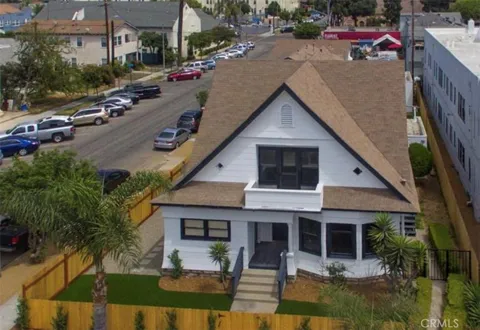
For sale
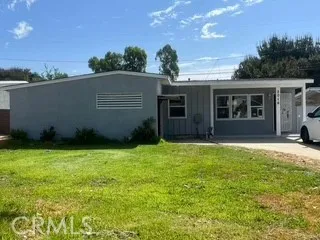
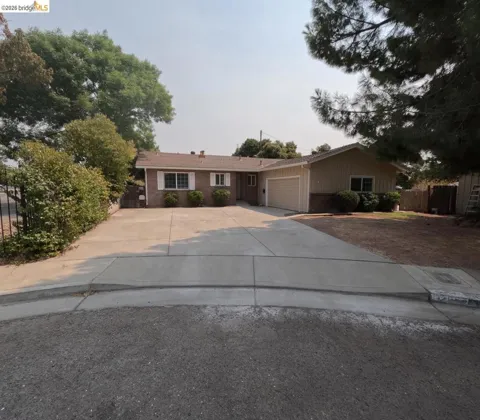
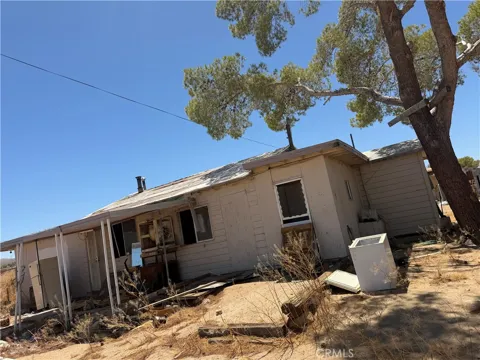
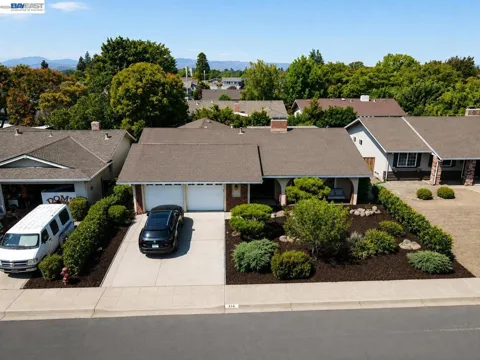
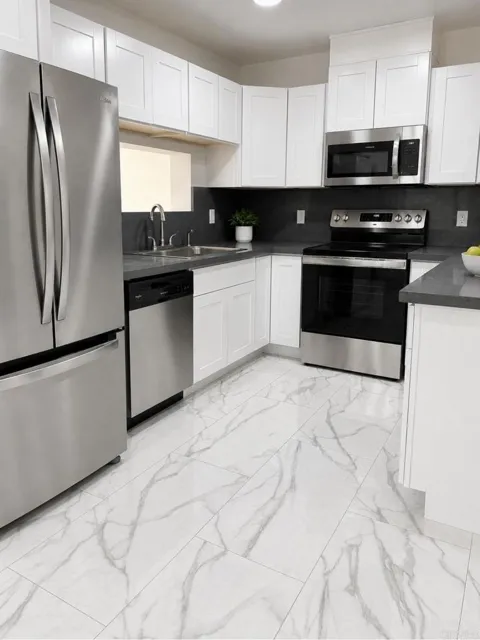
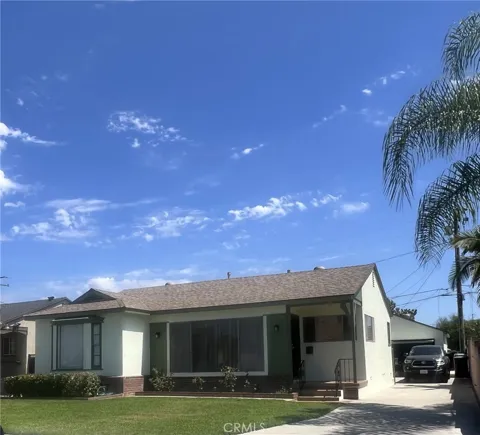
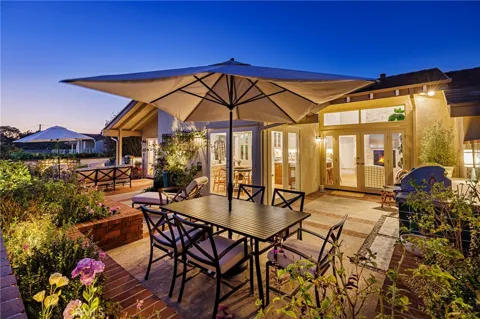
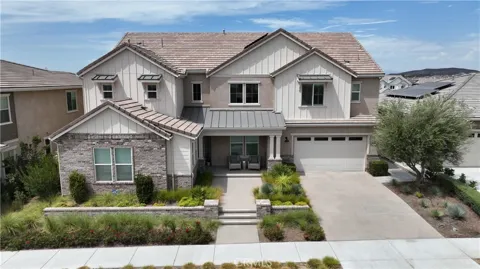
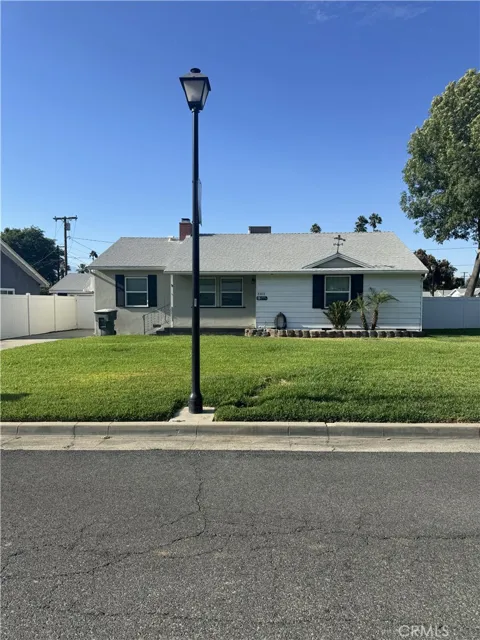
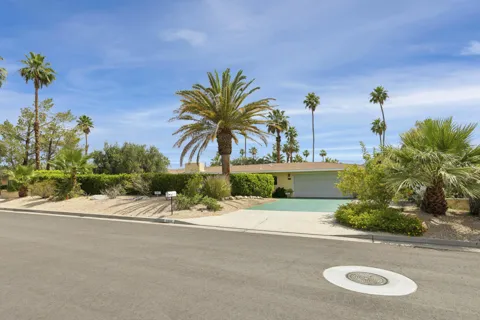
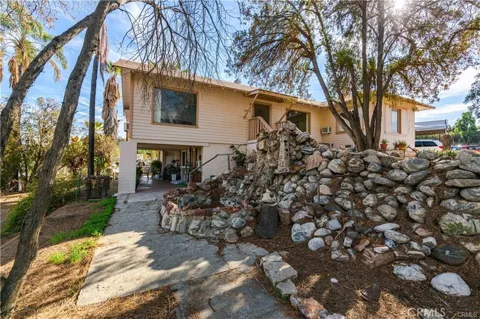
Houses in Joshua Tree, CA
Handpicked properties hitting the scene in your area.
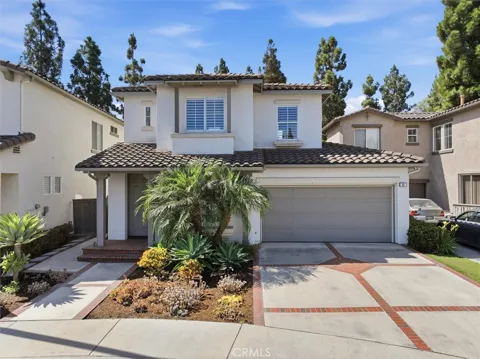
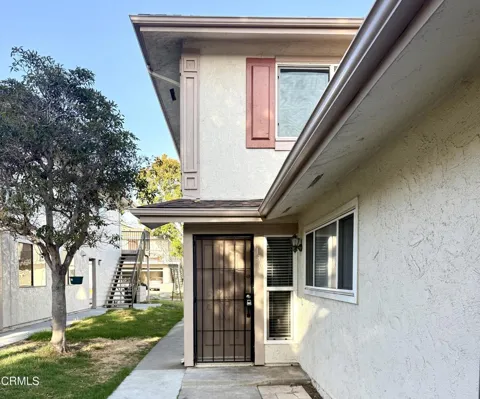
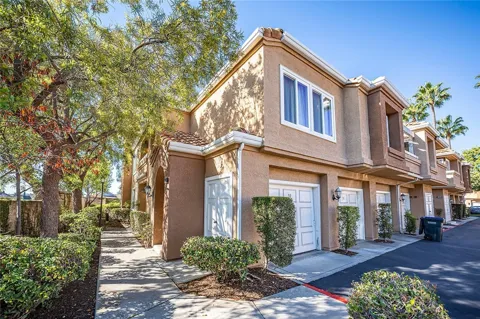
For sale
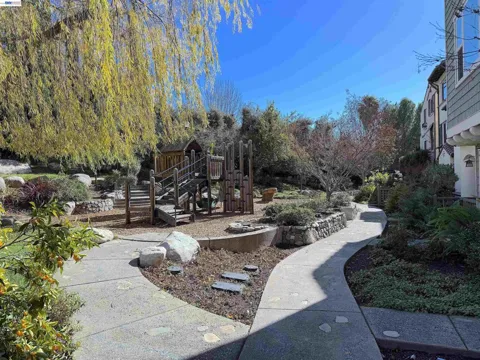
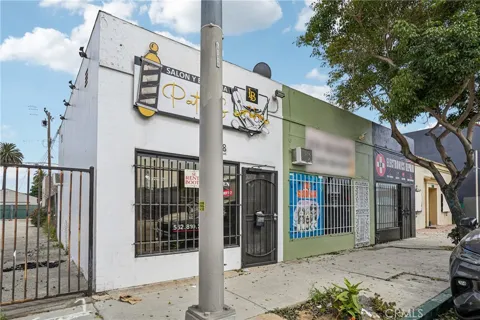
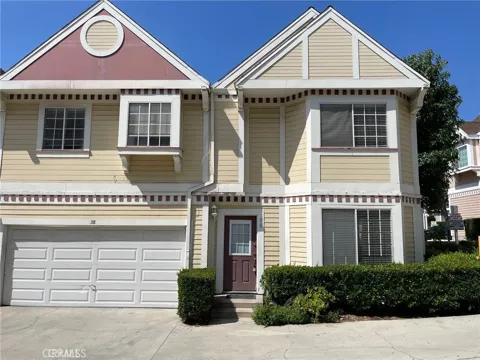
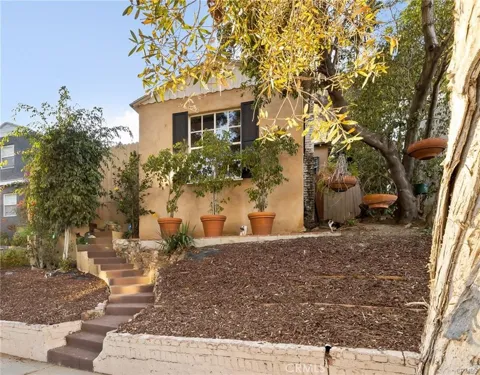
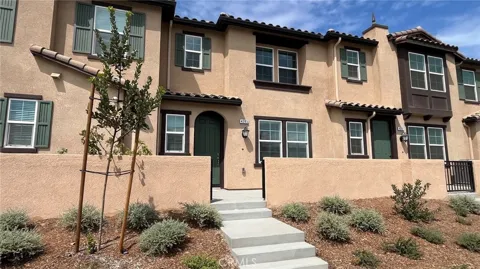
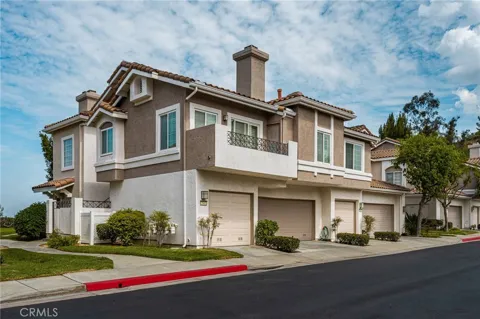
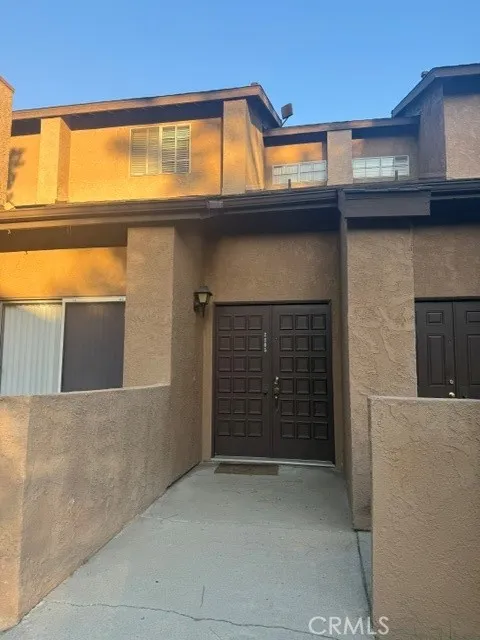
Townhomes in Joshua Tree, CA
Handpicked properties hitting the scene in your area.
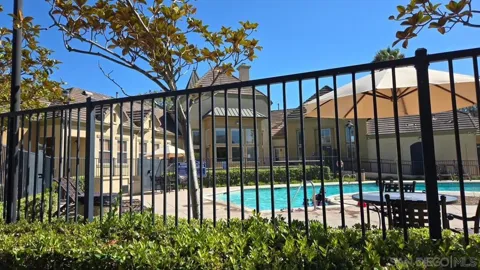
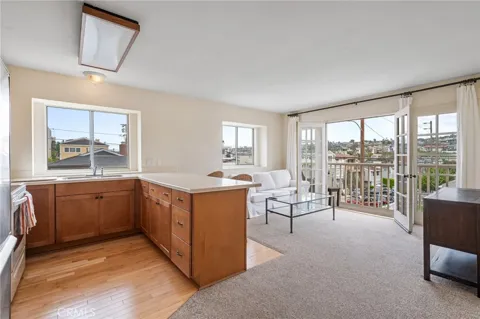
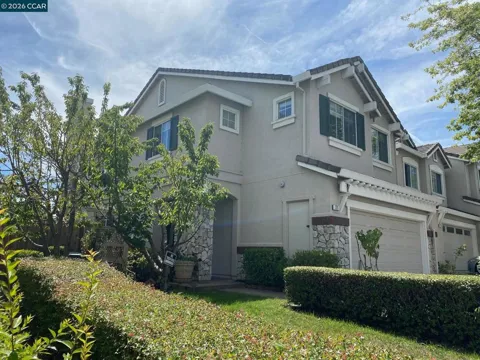
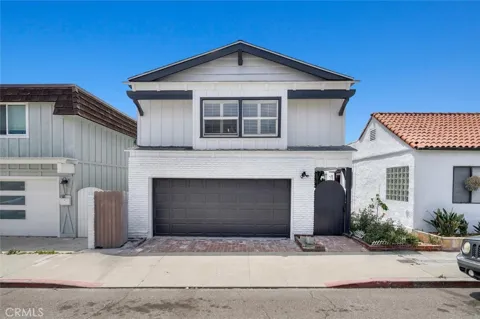
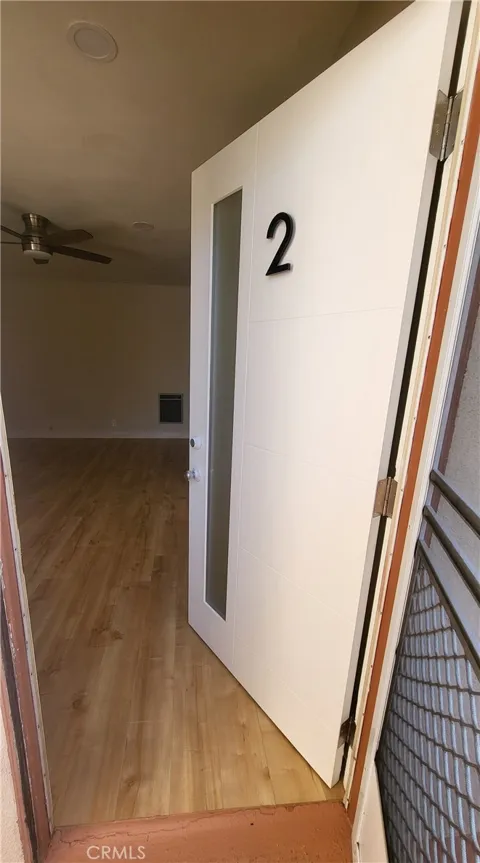
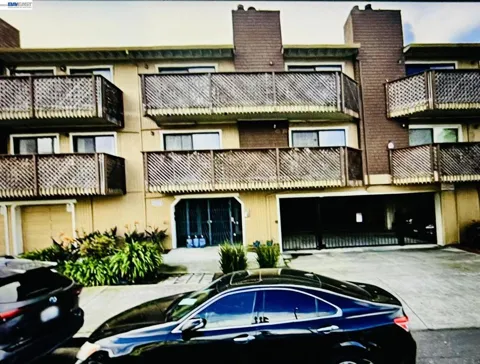
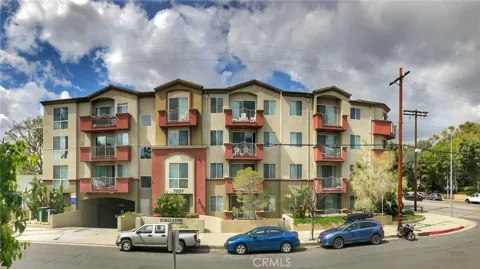
For sale
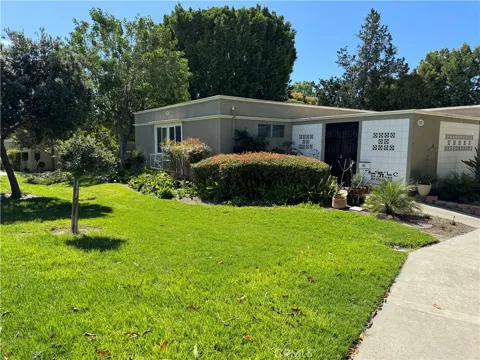
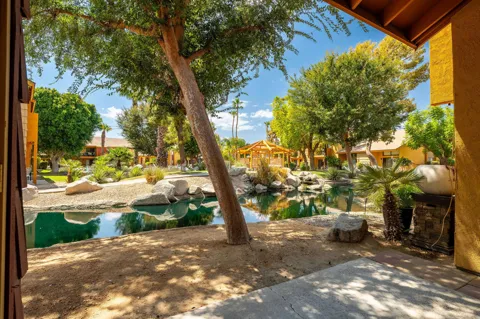
Condos in Joshua Tree, CA
Handpicked properties hitting the scene in your area.
Zip Codes
BROWSE BY ZIP
Browse listings by postal code in this area.
- Grid
- Map
- List
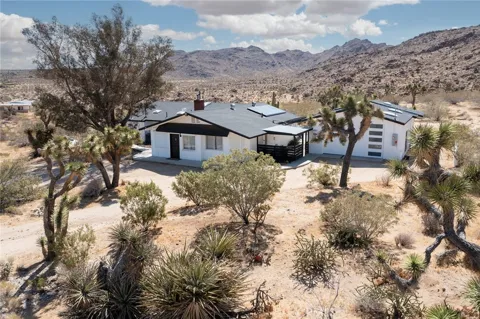
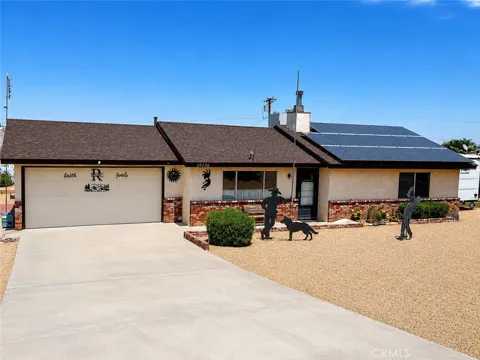
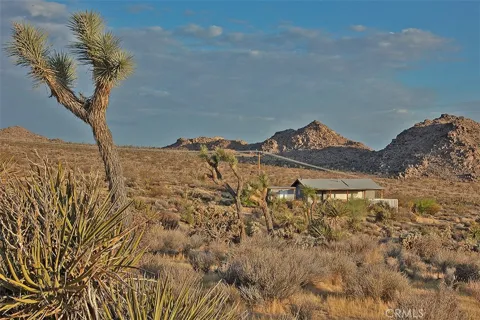
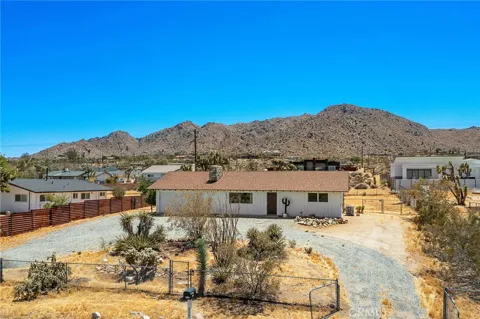
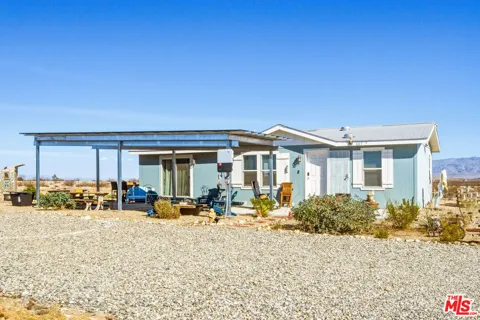
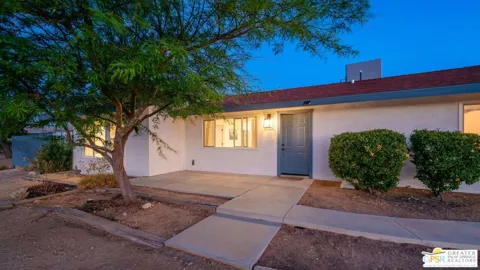
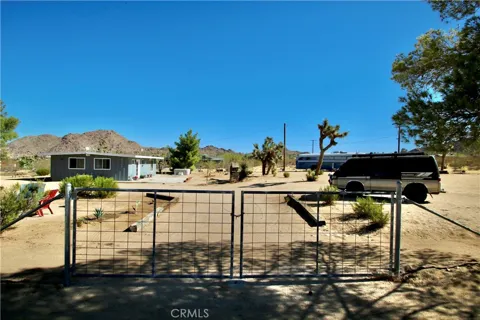
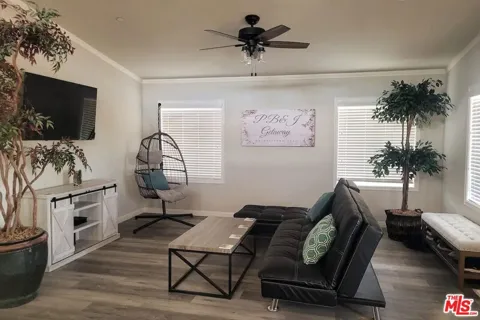
Contact us
Jessie Espinosa | Century 21 Select Real Estate, Turlock
1351 Geer Road, Ste. 103 Turlock, CA 95380
City Guide
About Joshua Tree
Real Estate & Housing
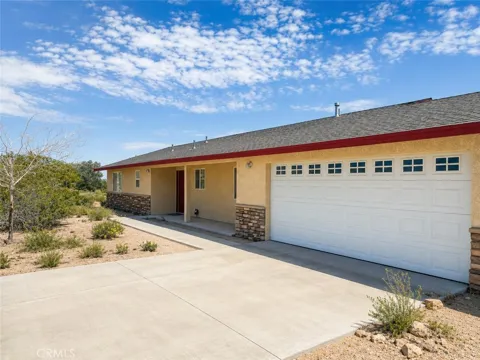
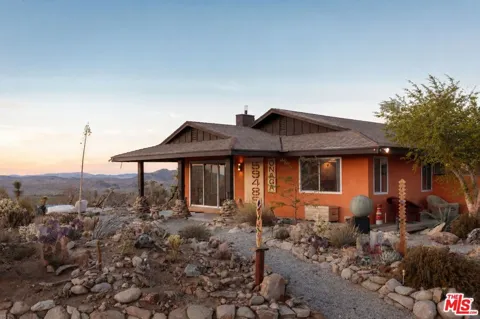
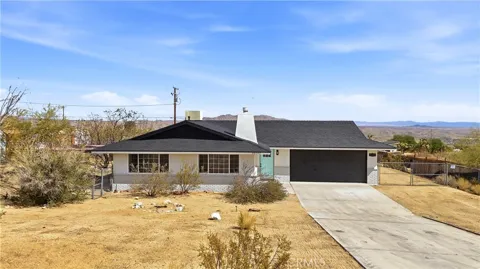
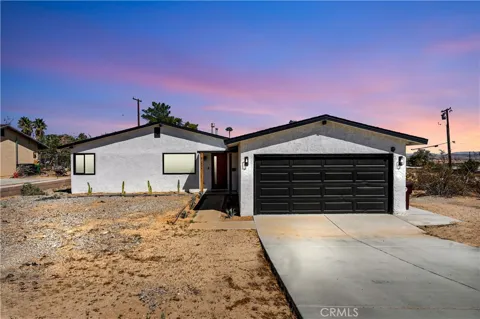
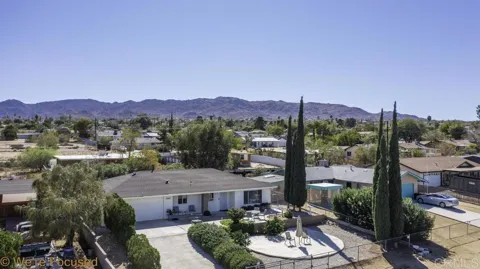
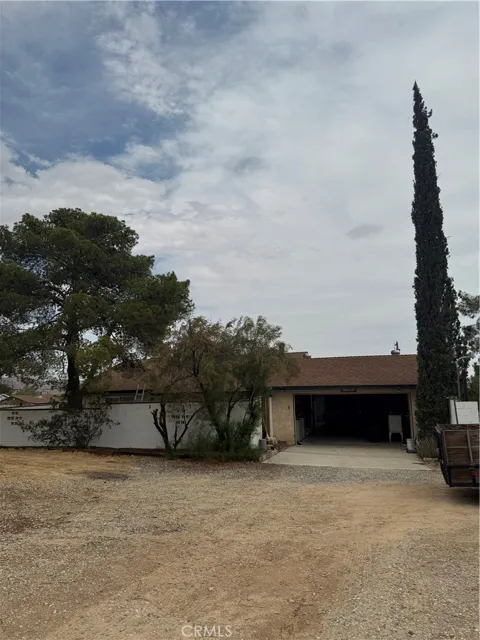
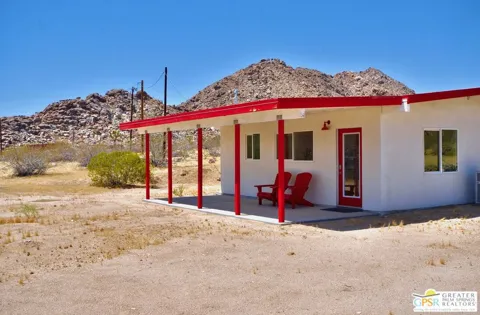
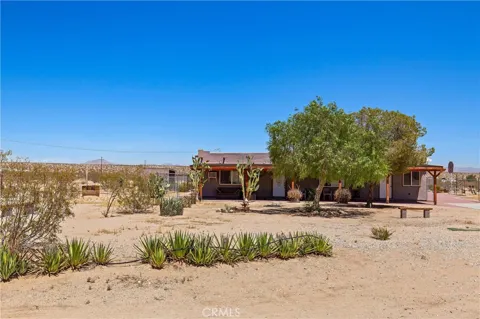
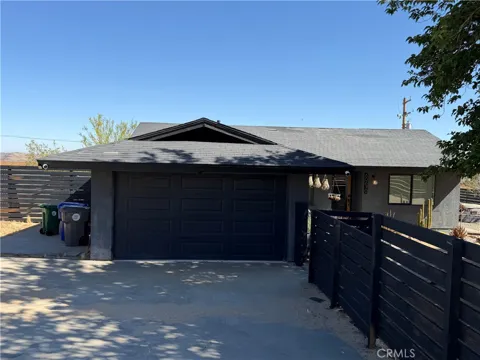
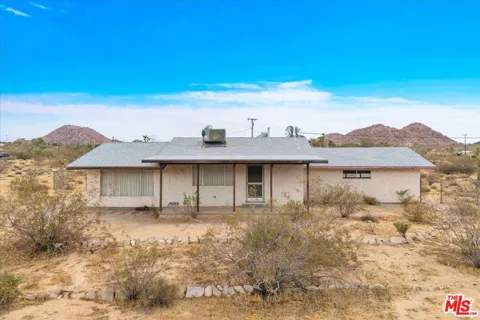
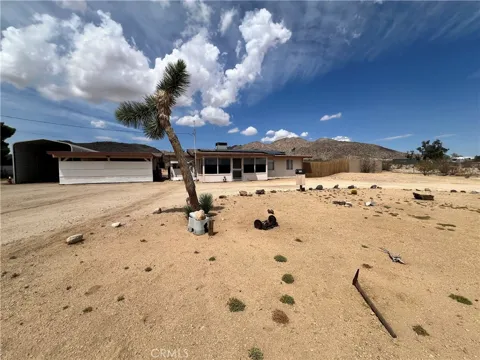
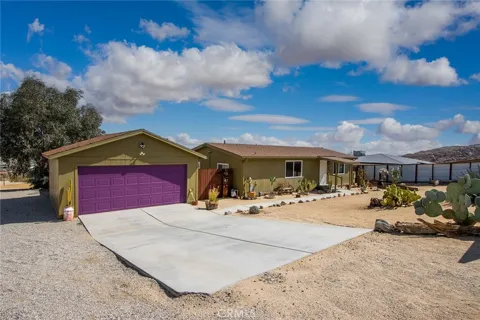
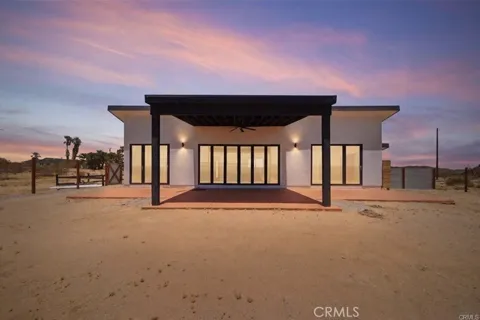
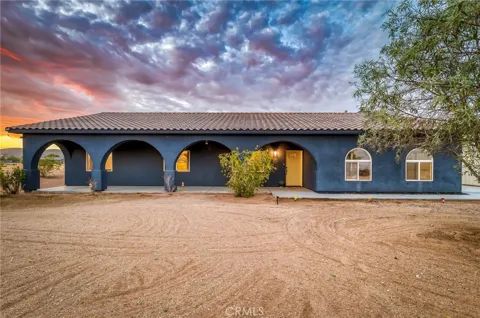
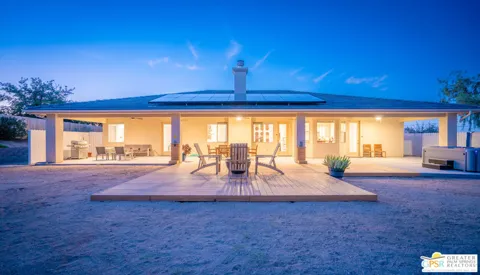
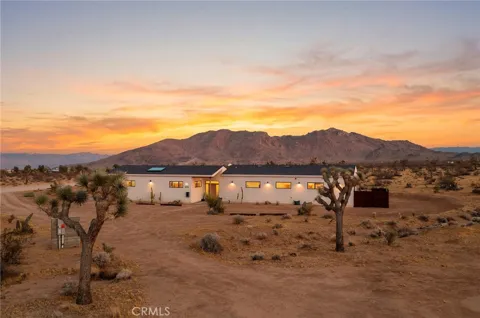
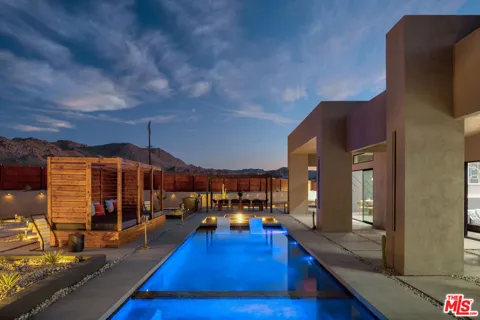
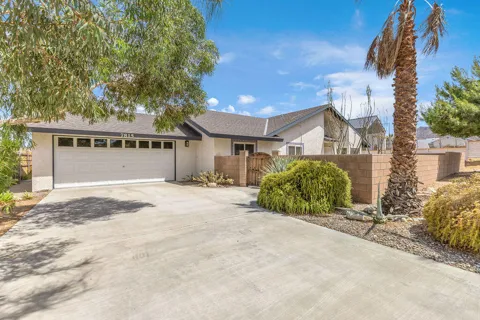
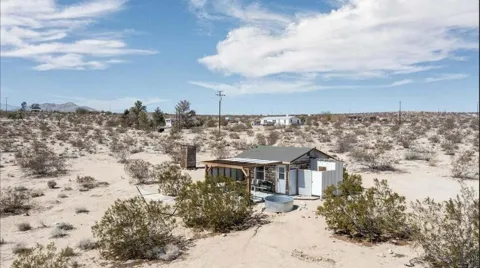
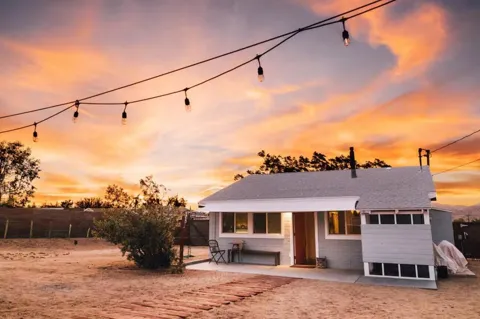
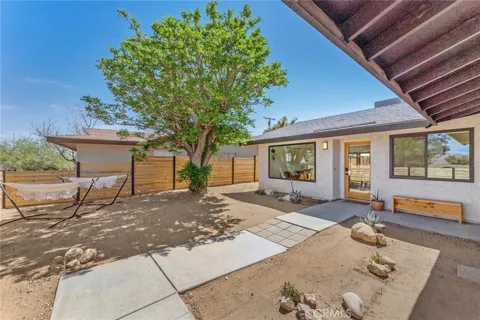
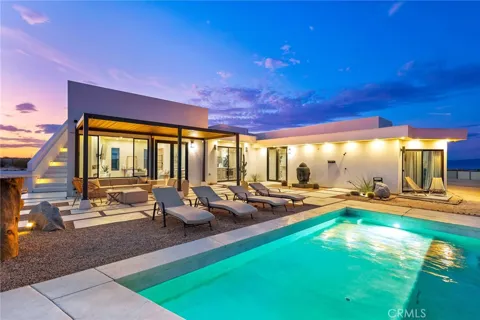
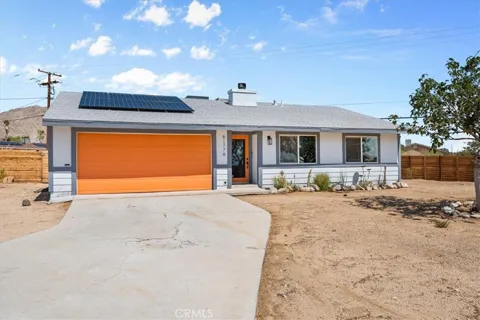
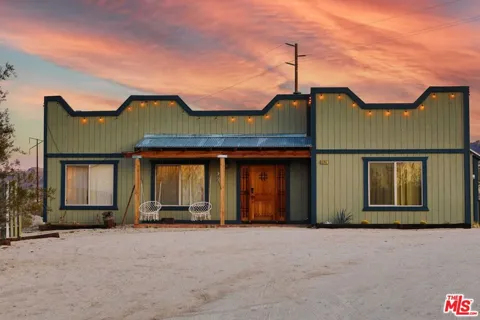
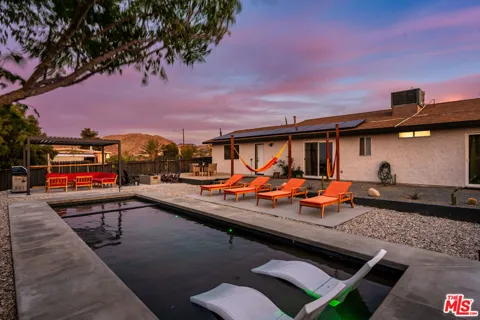
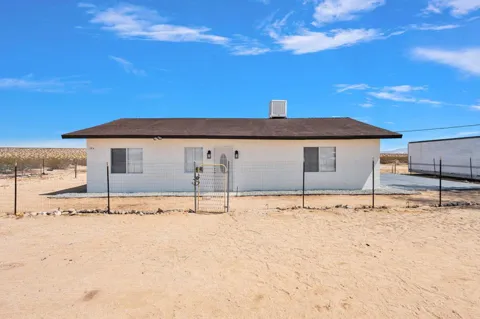
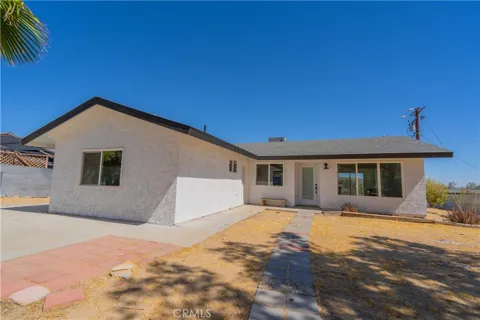
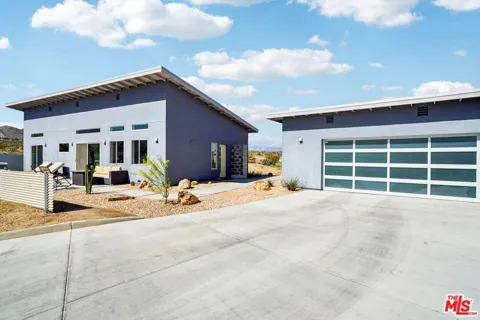
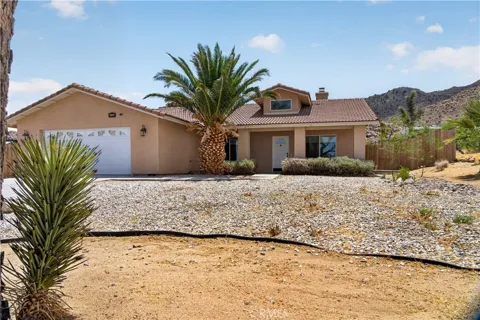
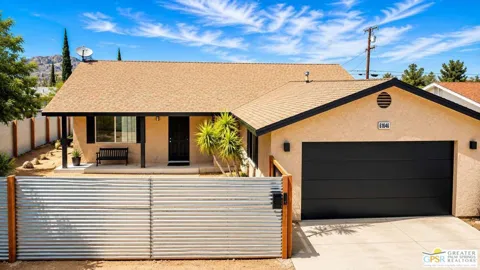
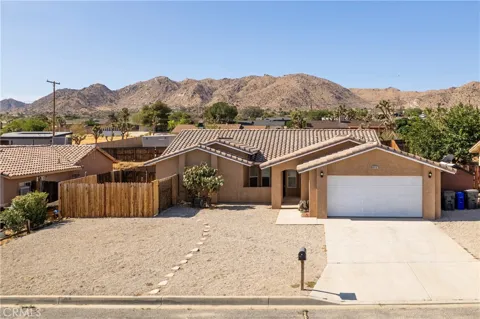
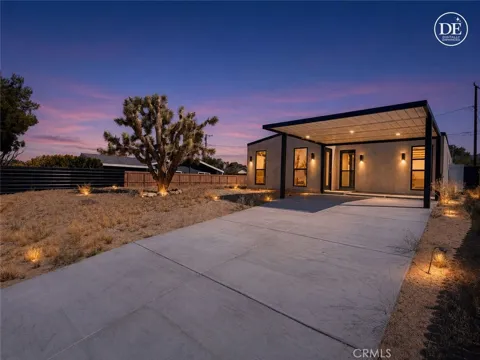
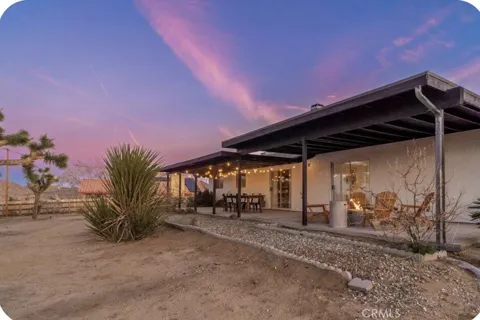
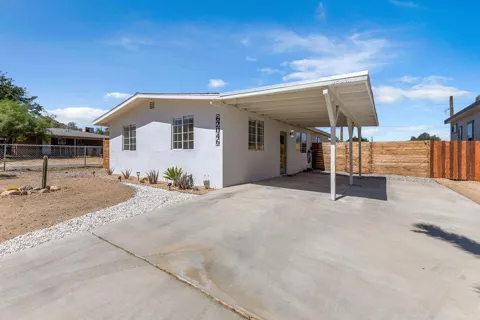
Joshua Tree's housing stock is highly distinctive and shaped by its desert setting. The community offers older homestead-era cabins and mid-century ranch houses, as well as a growing number of architect-designed and desert-modern homes, many positioned on multi-acre parcels with sweeping views of rock formations and Joshua tree-studded land. Properties are often unincorporated, which means no city property tax overlay and county-level services. The artistic migration of recent decades has brought a wave of thoughtfully renovated and newly built homes, giving parts of the community an eclectic, design-forward character. Lot sizes tend to be larger than in suburban California, and many homes are oriented toward privacy, views, and outdoor living. The market includes both primary residences and a significant share of vacation and short-term rental properties tied to national park tourism, which shapes the local housing dynamic.
Neighborhoods
Joshua Tree is organized more by geography and terrain than by formal neighborhoods, reflecting its unincorporated, semi-rural layout. The core village around State Route 62 holds the community's commercial strip, cafés, galleries, and visitor services, with older homes on nearby streets. Residential parcels spread outward across the desert floor and up into the rocky foothills, where larger lots and dramatic boulder-strewn landscapes predominate. The areas closer to the national park's west entrance and along the park boundary blend residential living with direct access to trails and climbing. Surrounding communities form a connected high-desert network: Yucca Valley to the west offers larger retail and services, Pioneertown to the northwest is an Old West-style enclave, and Twentynine Palms to the east anchors the park's other major entrance. Each has a distinct character, and many Joshua Tree residents regularly move between them.
Lifestyle in Joshua Tree
Joshua Tree's lifestyle revolves around the desert landscape and a distinctive creative culture. Rock climbing, hiking, bouldering, and stargazing are everyday pursuits, with the national park's trails and the region's famously dark skies drawing outdoor enthusiasts year-round. The town's artistic identity shows up in galleries, music venues, open-air art installations, and a calendar of events that leans into desert and countercultural themes. Dining and gathering spots are concentrated in the village along the highway, from coffee shops and cafés to live-music venues, while Pioneertown's Old West facades and Pappy & Harriet's-style venues add a regional draw. For everyday shopping and services, Yucca Valley is a short drive west. Life here is quieter and more self-reliant than in coastal California, attracting people who trade urban convenience for space, solitude, and a close relationship with the desert environment.
Schools & Education
Public education in Joshua Tree is provided by the Morongo Unified School District, which serves the communities of the Morongo Basin, including Joshua Tree, Yucca Valley, Twentynine Palms, and surrounding areas. The district operates a network of elementary, middle, and high schools across this large, sparsely populated region, and school ratings in the area are moderate. Because the district covers a wide geographic area, students may attend schools in neighboring communities depending on their home location and grade level. Higher education is available through Copper Mountain College, a community college based in nearby Joshua Tree serving the Morongo Basin. For relocating families, the district's regional structure and the basin's semi-rural setting are important considerations, and parents should confirm specific school assignments with the district.
Getting Around
Joshua Tree sits along State Route 62, the Twentynine Palms Highway, which runs through the Morongo Basin and connects the community to Yucca Valley to the west and Twentynine Palms to the east. To the southwest, State Route 62 meets Interstate 10 in the Coachella Valley, linking the high desert to Palm Springs, the Inland Empire, and the Los Angeles basin beyond. This makes Joshua Tree a roughly two-hour drive from the greater Los Angeles area, depending on traffic, with Palm Springs and its airport about an hour away by car. Public transit within the basin is limited, so residents rely almost entirely on personal vehicles. The community's unincorporated status means roads and infrastructure are maintained by San Bernardino County. For air travel, Palm Springs International Airport is the nearest major gateway, with Ontario and Los Angeles airports serving longer-haul needs.
Parks & Recreation
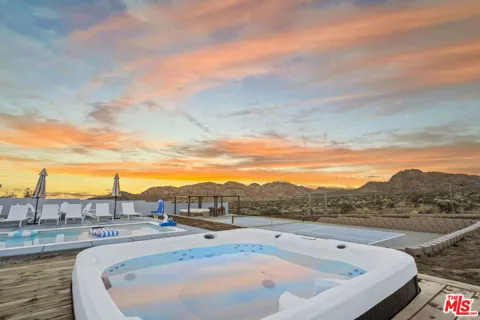
Joshua Tree National Park is the community's defining recreational asset, offering world-class rock climbing and bouldering, hiking trails, scenic drives, and camping among granite formations and Joshua tree woodlands. The region's dark night skies make it a destination for astronomy and stargazing. Beyond the park, the surrounding Bureau of Land Management lands and desert backcountry provide open space for off-road exploration, hiking, and dispersed recreation. Pioneertown, a nearby 1880s-style Old West town built as a film set in the 1940s, offers historic facades, live music, and desert dining. The area's arts scene adds galleries, music venues, and seasonal events. For larger cultural amenities, Palm Springs is within an hour's drive, while the high desert's quiet, wide-open character remains the central draw for residents and visitors alike.
About Joshua Tree
Frequently asked questions
What county is Joshua Tree, California in?
Joshua Tree is located in San Bernardino County, California, in the Mojave Desert's high desert region at roughly 2,700 feet above sea level. It is an unincorporated community that sits at the northwestern boundary of Joshua Tree National Park.
What is Joshua Tree, California known for?
Joshua Tree is best known as the gateway to Joshua Tree National Park, famous for its namesake Joshua trees, granite rock formations, world-class rock climbing, and dark night skies. The community has also developed a reputation for its artistic and creative scene.
What school district serves Joshua Tree, California?
Joshua Tree is served by the Morongo Unified School District, which covers the communities of the Morongo Basin including Yucca Valley and Twentynine Palms. Copper Mountain College, a community college, is also based in the area.
How far is Joshua Tree from Los Angeles and Palm Springs?
Joshua Tree is a roughly two-hour drive from the Los Angeles area via State Route 62 and Interstate 10, and about an hour from Palm Springs. The nearest major airport is Palm Springs International Airport, with larger airports available in Ontario and Los Angeles.
Still have questions about Joshua Tree?
Get in touchExplore the area