Coachella Valley's Second-Largest City
About Cathedral City, CA
Welcome to Cathedral City, the Coachella Valley's second-largest city, set between Palm Springs and Rancho Mirage beneath the Santa Rosa Mountains.
Cathedral City sits in Riverside County, California, in the Coachella Valley, between Palm Springs to the west and Rancho Mirage to the east. Known locally as "Cat City," it is the second-largest of the valley's nine cities, after Indio, with about 52,000 residents — a larger permanent population than Palm Springs or Rancho Mirage. The city covers roughly 23 square miles at the foot of the Santa Rosa and San Jacinto Mountains. The city's name comes from Cathedral Canyon, a canyon to the south whose rock formations reminded an 1850s surveyor of the interior of a grand cathedral. The area's deeper history reaches back to the Cahuilla people, who inhabited the Coachella Valley for thousands of years. Cathedral City began as a housing development in 1925 and incorporated in 1981, growing into the valley's western residential and commercial anchor. Cathedral City functions as the more grounded, year-round counterpart to Palm Springs' resort glamour. Its economy and community life center on retail and services along Date Palm Drive and Ramon Road, public schools, and a substantial base of working families and retirees. Palm Springs Unified School District is headquartered in the city, and Cathedral City High School serves as a major campus. Recreation is anchored by the Big League Dreams Sports Park, whose replica ballparks draw tournaments and local leagues, alongside city parks and the Santa Rosa and San Jacinto Mountains National Monument, which offers trails, scenic canyons, and desert vistas. SunLine Transit links the city to Palm Springs and the regional airport about five miles away. Cathedral City suits households seeking attainable Coachella Valley living with strong community amenities, mountain recreation, and easy access to the entire Palm Springs region.

MARKET SNAPSHOT
The Market at a Glance
How homes have been selling here over the last 90 days.
Price & Sales History
Market data reflects closed sales over the last 90 days and is provided for informational purposes.
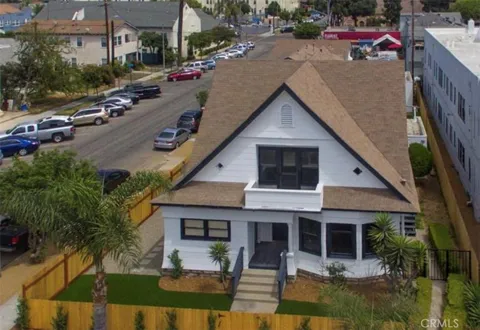
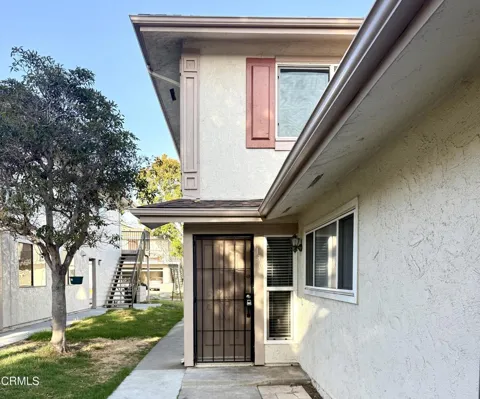
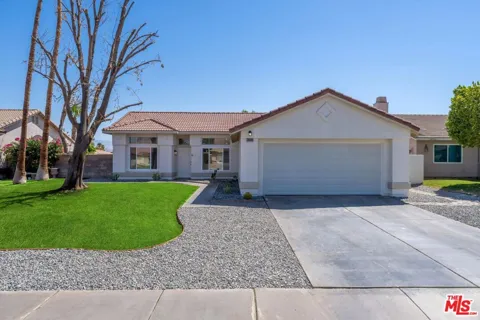
For sale
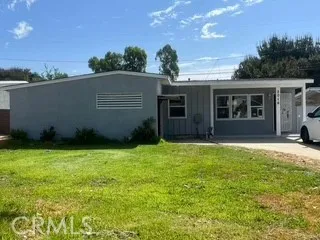
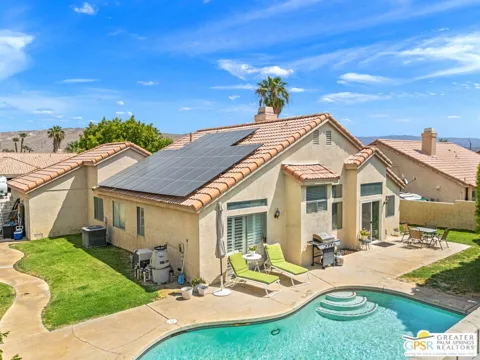
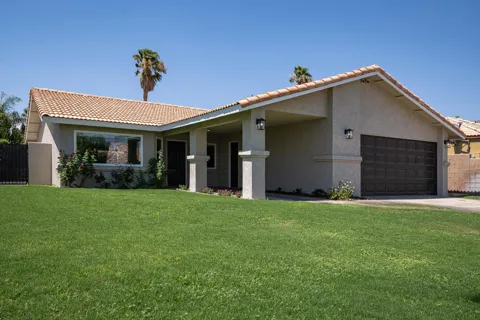
Houses in Cathedral City, CA
Handpicked properties hitting the scene in your area.
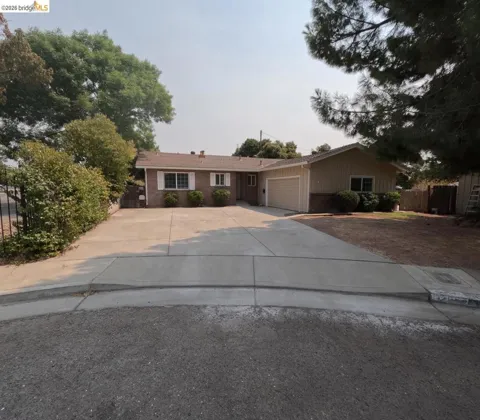
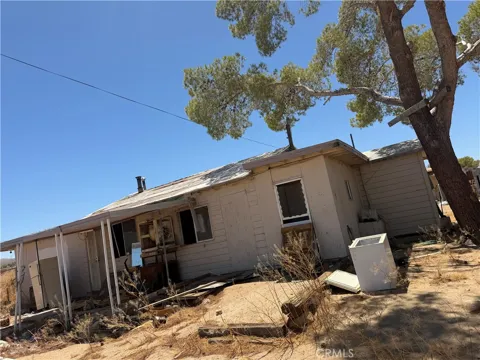
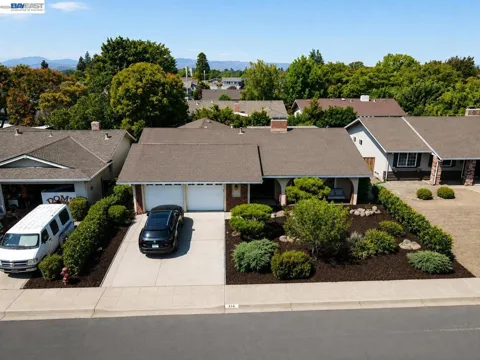
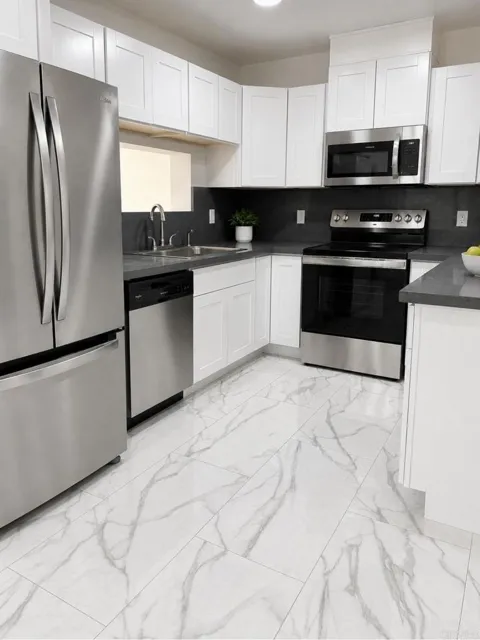
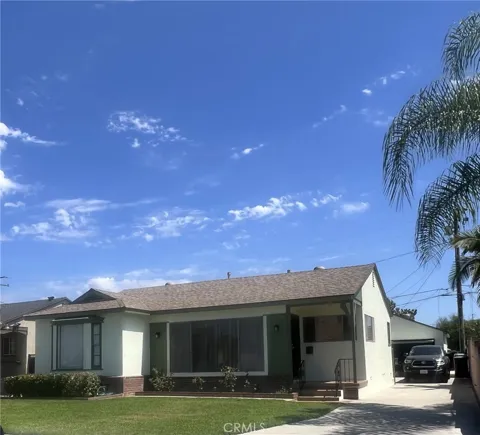
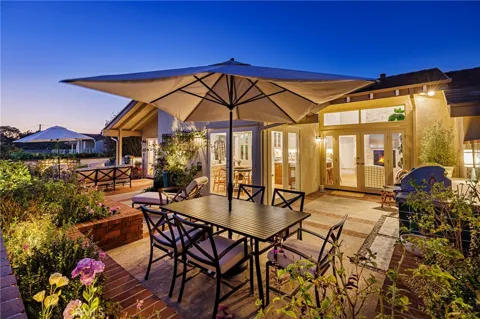
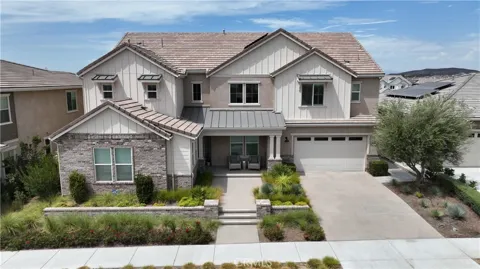
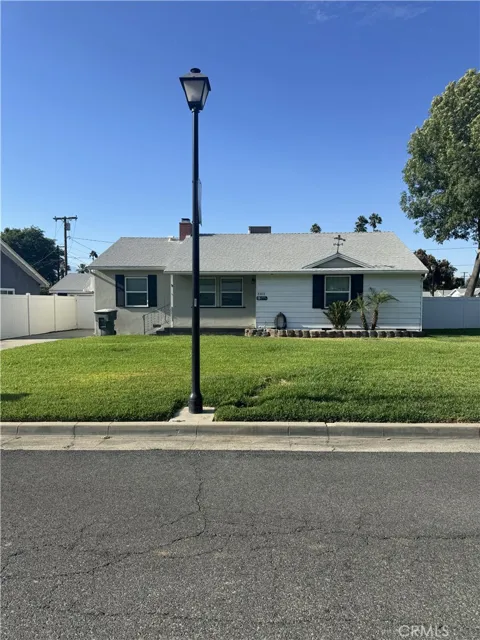
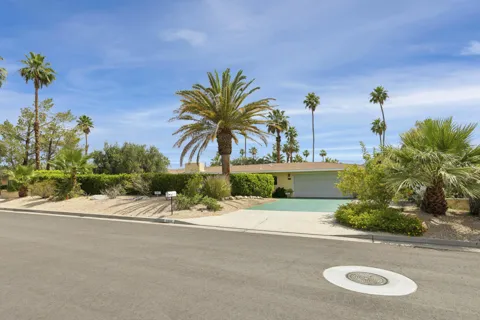
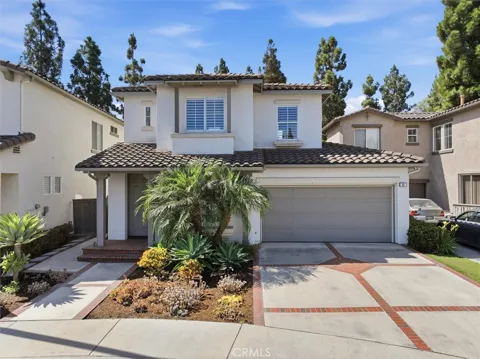
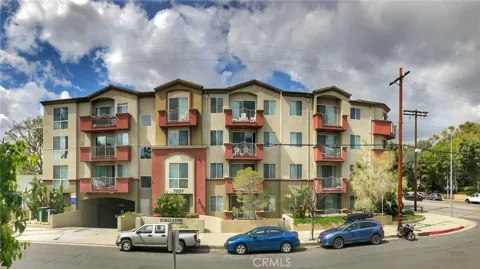
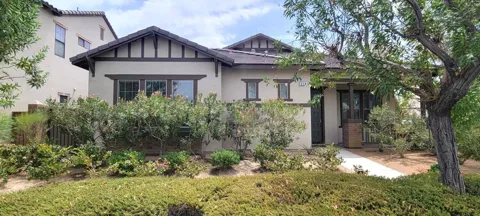
For sale
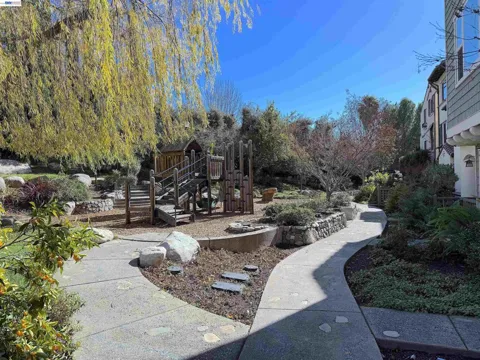
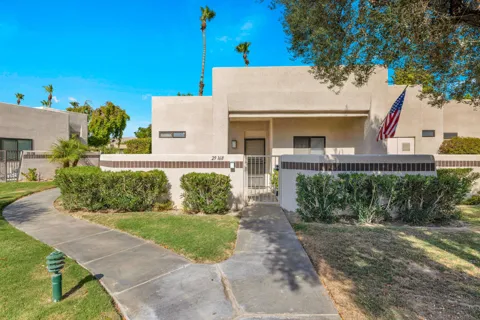
Townhomes in Cathedral City, CA
Handpicked properties hitting the scene in your area.
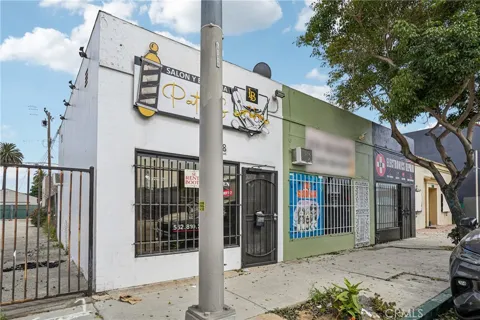
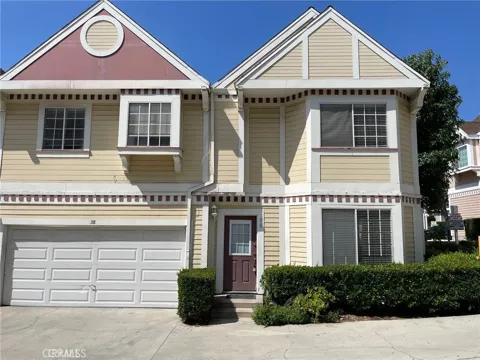
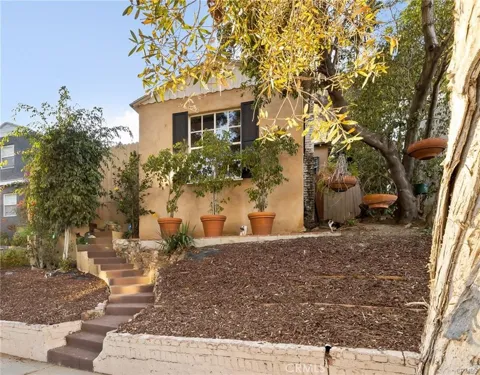
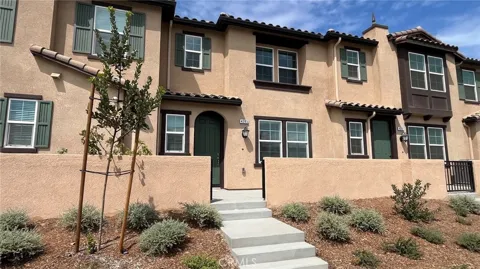
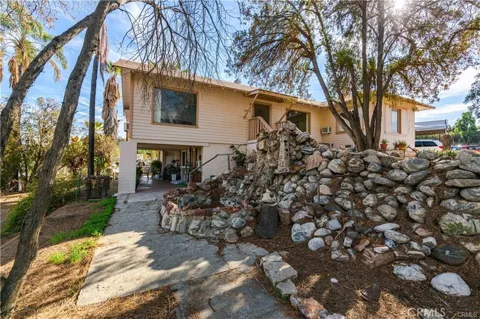
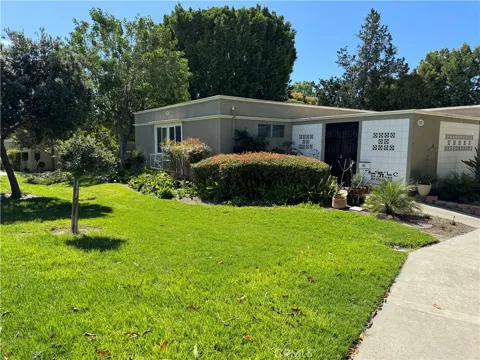
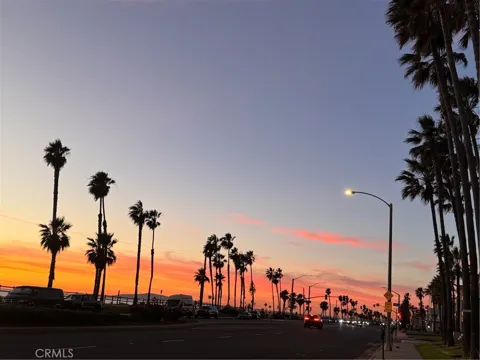
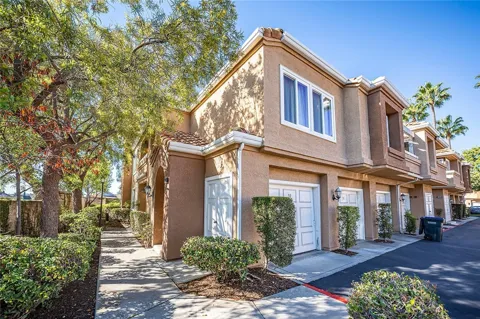
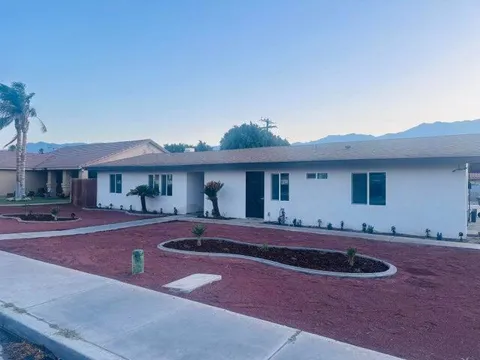
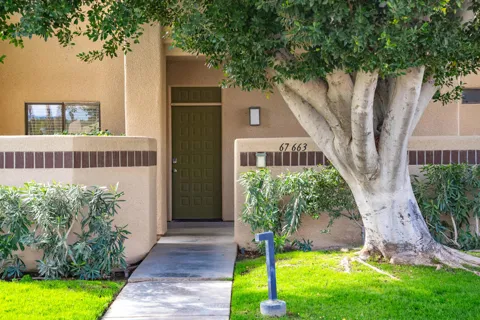
For sale
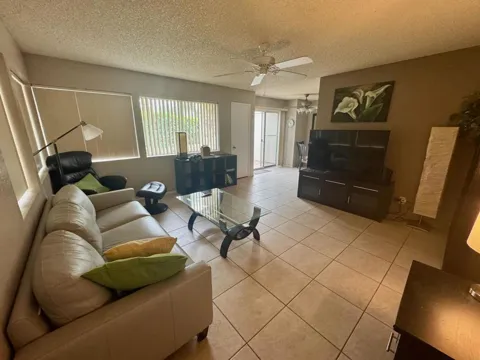
Condos in Cathedral City, CA
Handpicked properties hitting the scene in your area.
Zip Codes
BROWSE BY ZIP
Browse listings by postal code in this area.
- Grid
- Map
- List
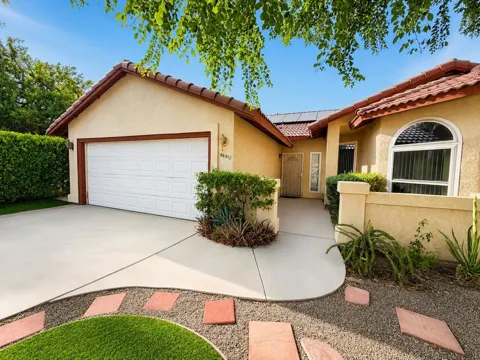
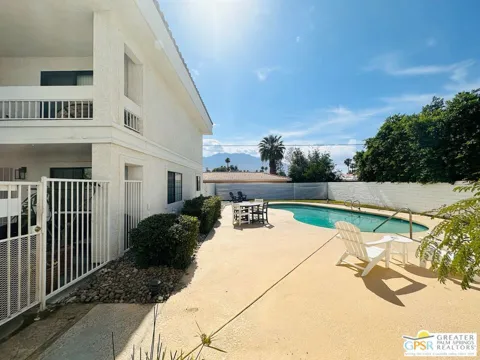
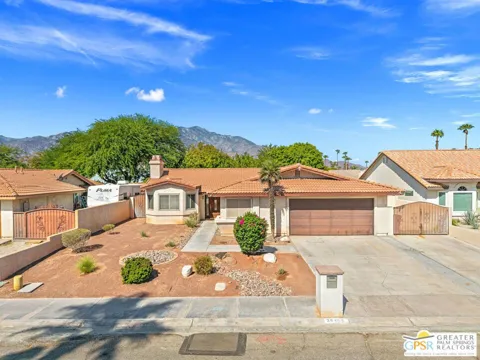
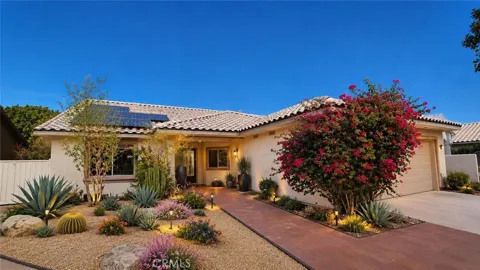
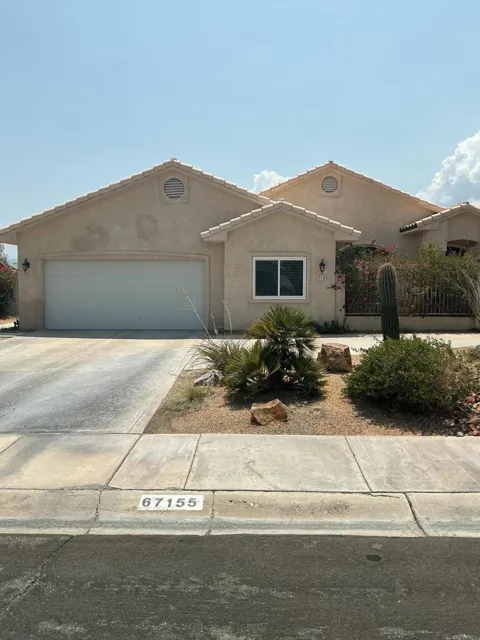
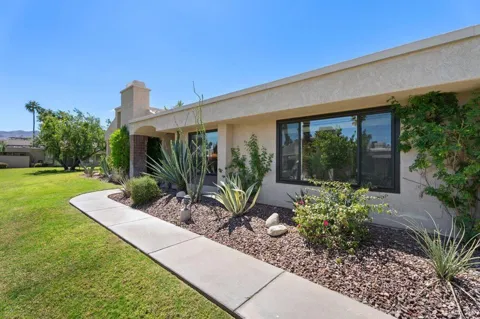
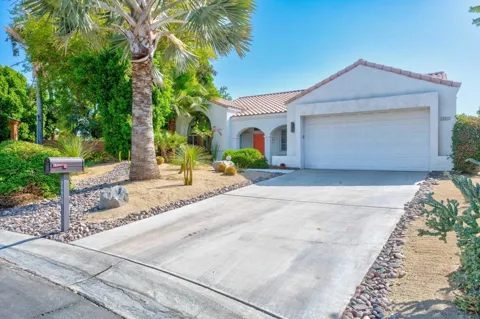
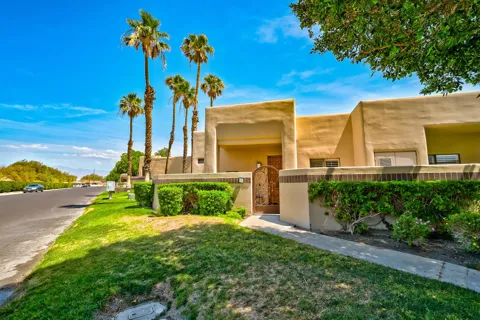
Contact us
Jessie Espinosa | Century 21 Select Real Estate, Turlock
1351 Geer Road, Ste. 103 Turlock, CA 95380
City Guide
About Cathedral City
Real Estate & Housing
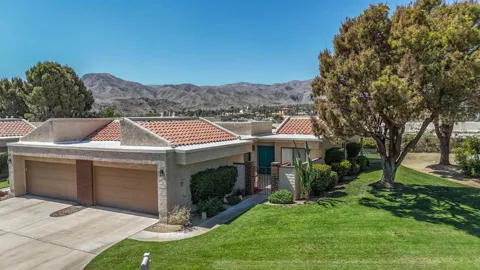
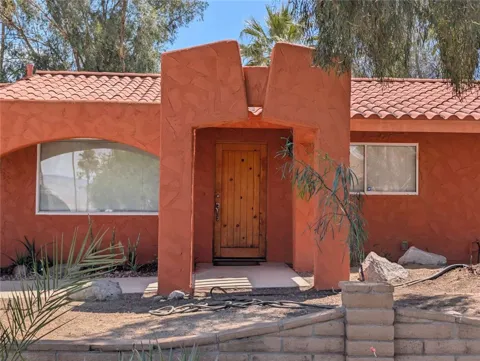
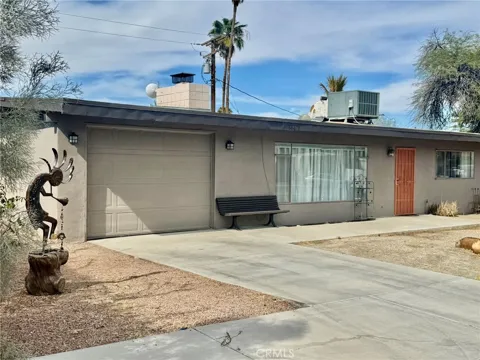
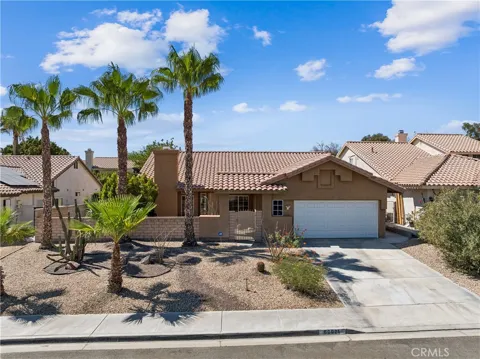
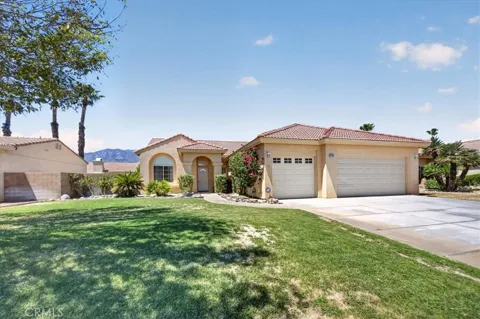
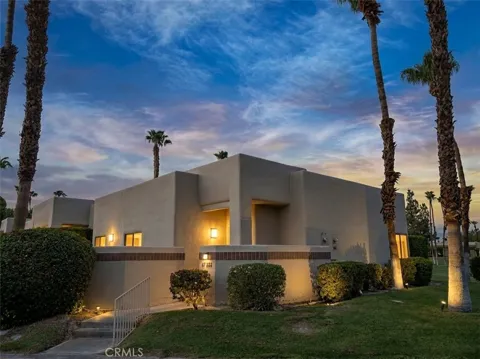
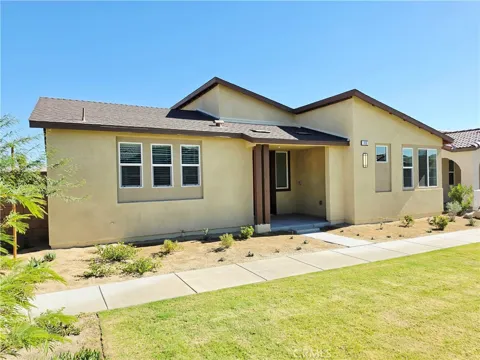
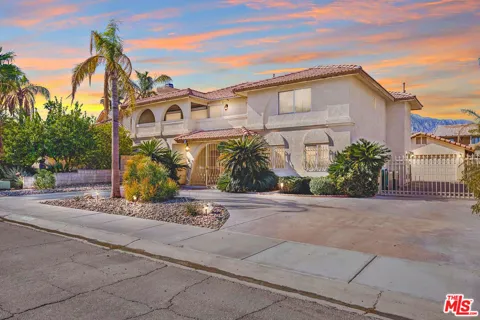
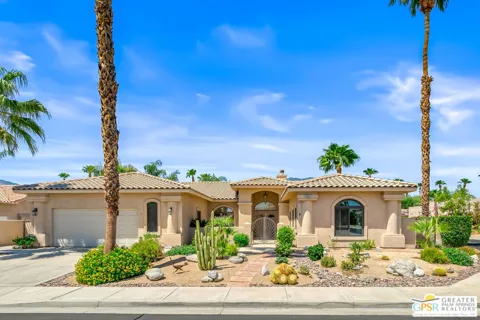
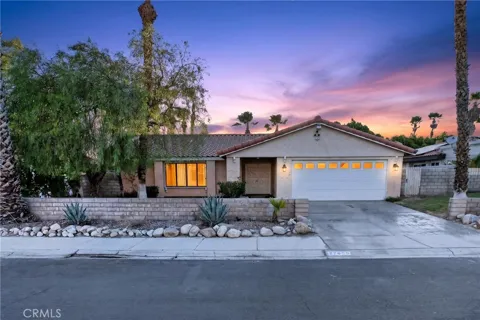
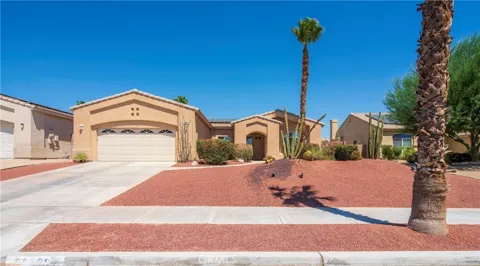
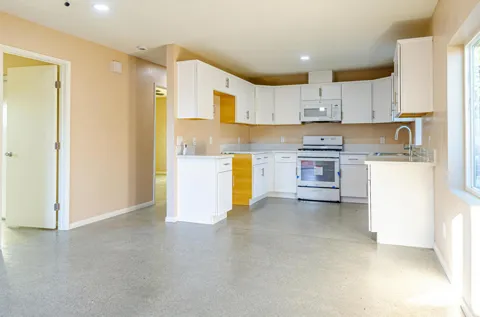
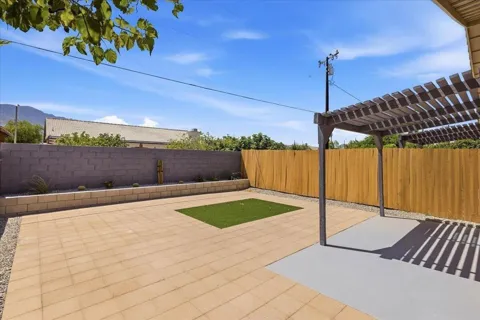
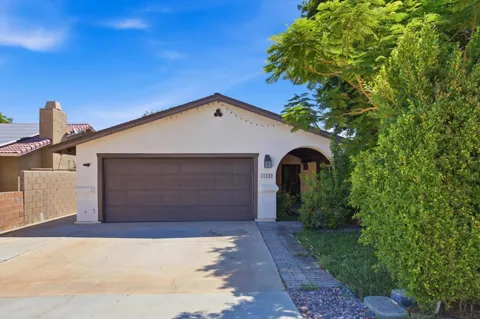
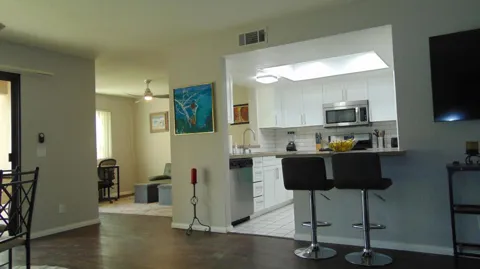
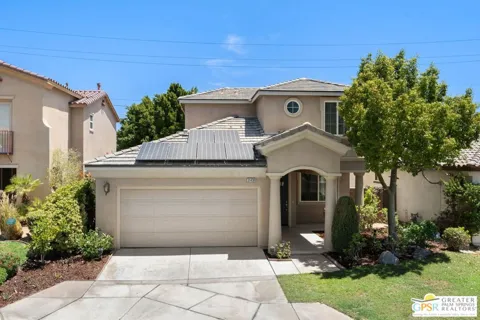
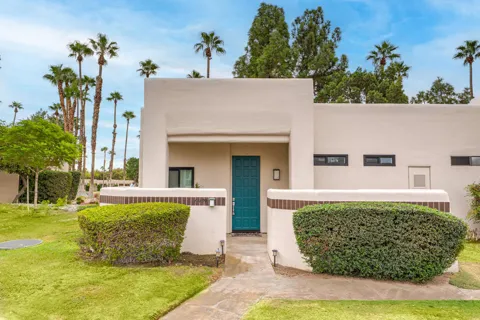
Cathedral City's housing is generally more attainable than that of Palm Springs or Rancho Mirage, a key reason it has the western valley's largest permanent population. The stock spans mid-century and later single-family homes, established subdivisions, condominiums, and townhomes, along with a number of gated communities and newer construction on the city's edges. Many homes sit with mountain views, and the mix includes both modest desert residences and larger resort-style properties. The city's blend of affordability and proximity to the valley's jobs and amenities makes it a practical choice for first-time buyers, working households, and retirees seeking Coachella Valley living without Palm Springs pricing.
Neighborhoods
Cathedral City's residential areas spread across the valley floor between the Date Palm Drive corridor and the rising foothills of the Santa Rosa and San Jacinto Mountains. The commercial spine along Date Palm Drive and Ramon Road anchors the city, with neighborhoods extending east and west into established subdivisions, condominium communities, and gated developments. Areas nearer the mountains offer quieter streets and closer access to the national monument's trails, while the central city holds older housing and civic amenities. Because the city grew rapidly after 1981 incorporation, its neighborhoods range from original mid-century tracts to newer master-planned and golf-adjacent communities.
Lifestyle in Cathedral City
Cathedral City — "Cat City" to locals — has a more year-round, residential feel than neighboring Palm Springs. As the western valley's largest city, it blends desert resort living with a substantial permanent population, reflected in its schools, libraries, and community programs. The Big League Dreams Sports Park and a network of city parks keep families active, while the surrounding mountains and the Santa Rosa and San Jacinto Mountains National Monument offer hiking and scenic drives. Dining, shopping, and entertainment along Date Palm Drive serve everyday needs, and Palm Springs' arts, dining, and cultural attractions — along with the region's festivals — lie minutes away.
Schools & Education
Cathedral City is served by the Palm Springs Unified School District, which is headquartered in the city on Verona Road. The district enrolls more than 20,000 students across 28 schools, serving Cathedral City, Palm Springs, Desert Hot Springs, and surrounding communities. Local campuses include Cathedral City High School, Cathedral City Elementary, and Agua Caliente Elementary, among others. The district's presence makes Cathedral City an education hub for the western Coachella Valley, and its schools anchor neighborhood life for the city's large permanent population. Higher education is available through the College of the Desert and other regional institutions.
Getting Around
Cathedral City is closely tied to Palm Springs by road and transit. The two cities are about five miles apart, a 10- to 15-minute drive, with Palm Springs International Airport just beyond. SunLine Transit operates bus service across the valley, with the line 1 route connecting Cathedral City to Palm Springs in about 23 minutes. Interstate 10, the region's main freeway, runs along the northern edge of the valley, providing access to the greater Inland Empire and Los Angeles. Within the city, Date Palm Drive and Ramon Road form the primary commercial corridors, and the city's compact, grid-based layout keeps most destinations a short drive away.
Parks & Recreation
Cathedral City's recreation spans organized sports and open desert. Big League Dreams Sports Park is the headline facility, opened in 1998 with scaled replicas of Wrigley Field, Yankee Stadium, and Fenway Park, plus soccer fields, sand volleyball, batting cages, and event spaces. City parks including Patriot Park and Ocotillo Park add playgrounds, sports fields, and green space. To the south, the Santa Rosa and San Jacinto Mountains National Monument provides hiking, wildlife viewing, and scenic canyon access, including the namesake Cathedral Canyon. The city's location also puts Palm Springs' golf, cultural venues, and the region's larger recreation network within a short drive.
About Cathedral City
Frequently asked questions
What county is Cathedral City in?
Cathedral City is located in Riverside County, California, in the Coachella Valley between Palm Springs and Rancho Mirage. It is the second-largest of the valley's nine cities, after Indio, with about 52,000 residents.
How did Cathedral City get its name?
Cathedral City is named for Cathedral Canyon, a canyon south of the city whose rock formations reminded an 1850s surveyor of the interior of a grand cathedral. Four developers adopted the name in 1925, and the city incorporated in 1981.
What school district serves Cathedral City?
Cathedral City is served by the Palm Springs Unified School District, which is headquartered in the city. The district enrolls more than 20,000 students across 28 schools, including Cathedral City High School, Cathedral City Elementary, and Agua Caliente Elementary.
How far is Cathedral City from Palm Springs?
Cathedral City sits about five miles southeast of Palm Springs, roughly a 10- to 15-minute drive depending on traffic. SunLine Transit's line 1 bus connects the two cities in about 23 minutes.
What is Big League Dreams Sports Park?
Big League Dreams Sports Park is a major recreation venue in Cathedral City, opened in 1998. It features replicas of Wrigley Field, Yankee Stadium, and Fenway Park, along with soccer fields, sand volleyball, batting cages, and other facilities.
Still have questions about Cathedral City?
Get in touchExplore the area