Coachella Valley Spa City
About Desert Hot Springs, CA
Welcome to Desert Hot Springs, the Riverside County spa city in the Coachella Valley, where hot and cold mineral waters emerge side by side along the Mission Creek Fault.
Desert Hot Springs is a city in Riverside County, California, located in the Coachella Valley about 10 miles north of Palm Springs. Home to roughly 32,000 residents, it occupies a distinctive geological setting: the Mission Creek Branch of the San Andreas Fault bisects the area, placing a cold-water aquifer on one side and a naturally heated mineral-water aquifer on the other. This rare pairing of hot and cold mineral waters is the foundation of the city's identity. The community grew from homesteading roots. Cabot Yerxa arrived in 1913 and discovered the hot-water aquifer, later building Cabot's Pueblo Museum by hand from adobe and reclaimed materials. In the 1930s and 1940s, developer L.W. Coffee laid out the town's streets and built a bathhouse in 1941, establishing the spa culture that would define the city. For decades, small boutique spas and larger resorts have drawn visitors seeking the restorative mineral waters, giving Desert Hot Springs its reputation as the Coachella Valley's spa town. Today the city balances that wellness identity with its role as a residential community in the greater Palm Springs area. Public schools are part of the Palm Springs Unified School District, which serves the western half of the valley. Housing ranges from older desert ranch homes and established subdivisions to gated communities and active-adult developments such as Four Seasons and Mission Lakes. Desert Hot Springs' location is a key part of its appeal. State Route 62 runs through the city toward Joshua Tree National Park and the high desert, while Palm Springs, with its airport, dining, and cultural institutions, lies a short drive to the south. That position—between the spas of the valley floor and the national park's desert landscapes—gives residents access to both resort amenities and open desert recreation.

MARKET SNAPSHOT
The Market at a Glance
How homes have been selling here over the last 90 days.
Price & Sales History
Market data reflects closed sales over the last 90 days and is provided for informational purposes.
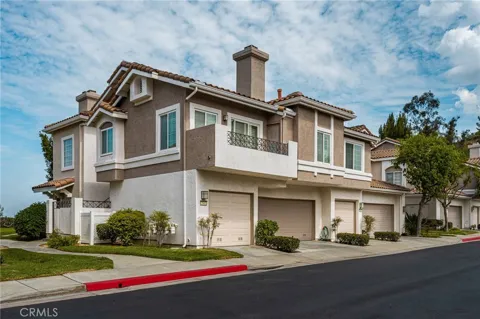
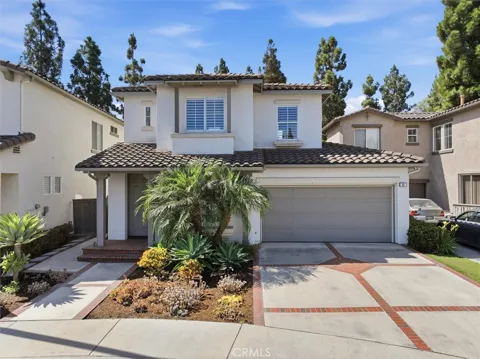
For sale
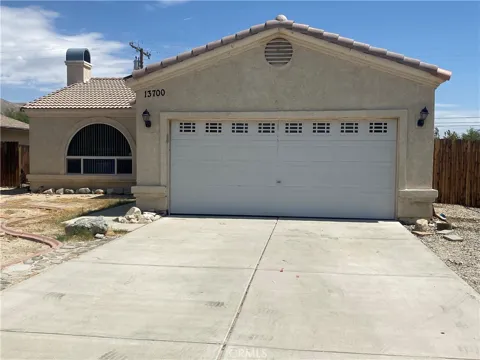
Houses in Desert Hot Springs, CA
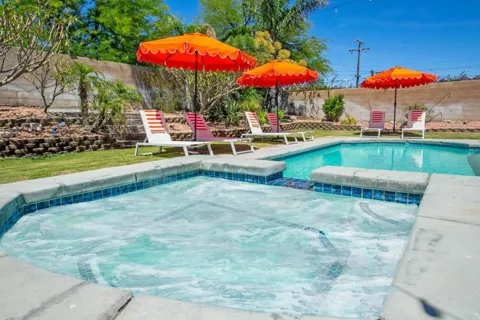
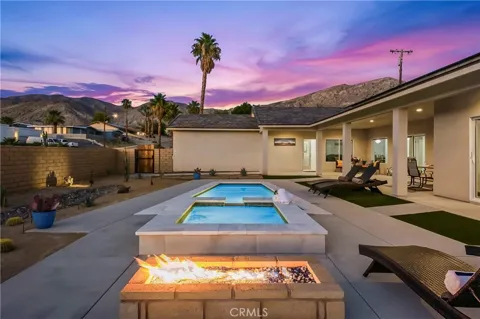
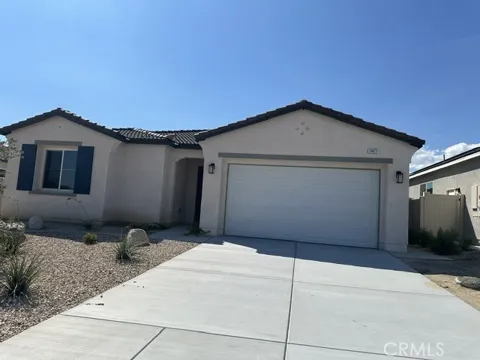
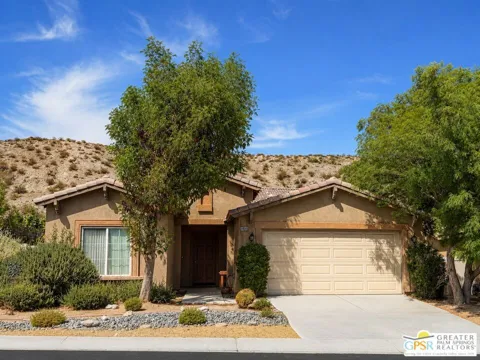
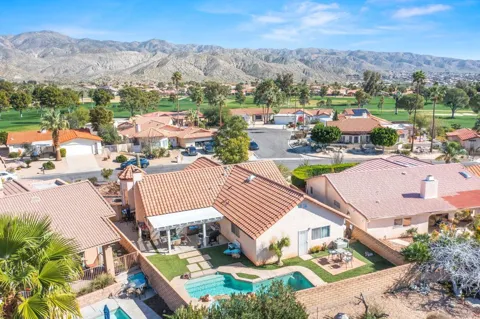
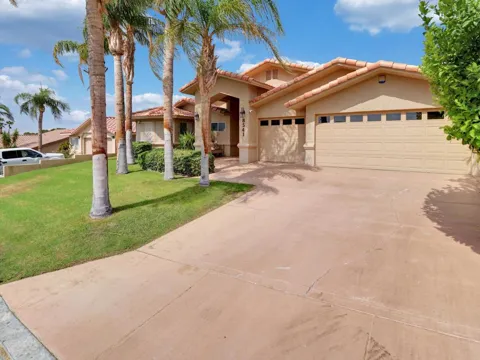
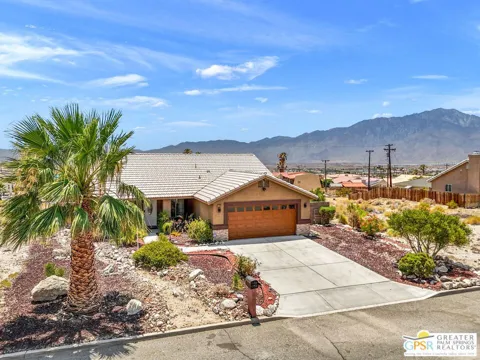
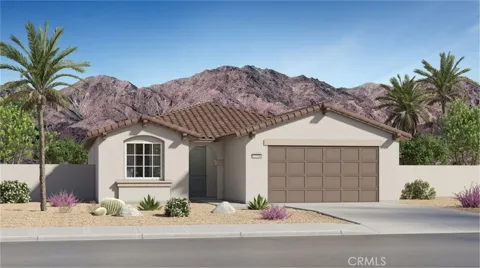
Handpicked properties hitting the scene in your area.
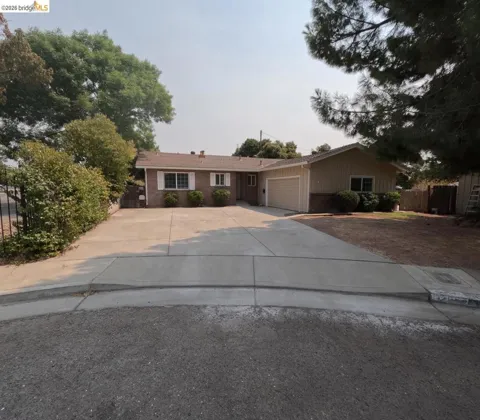
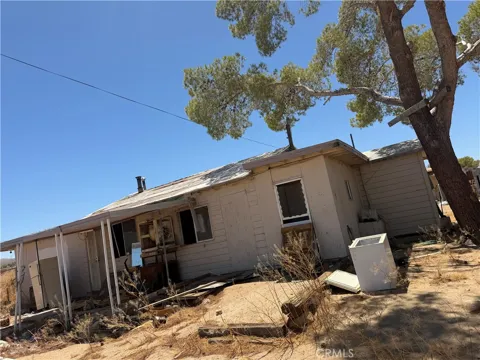
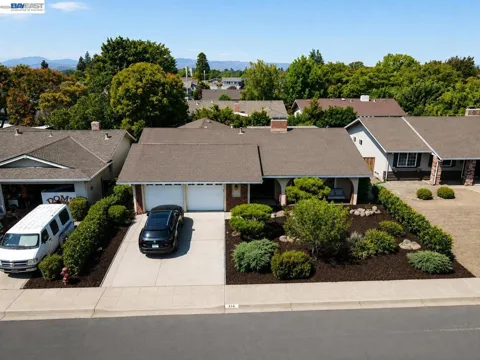
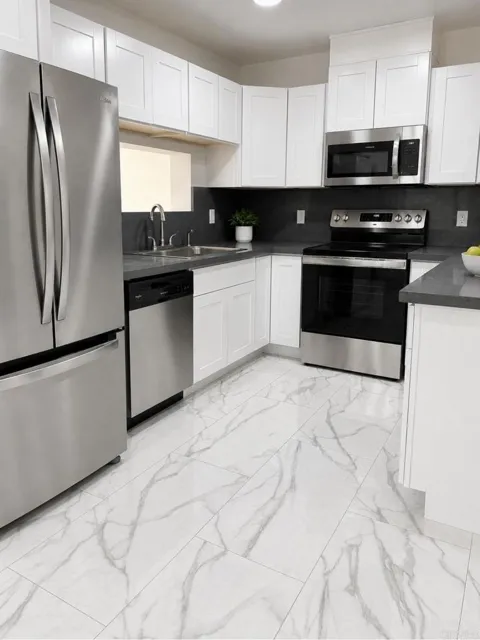
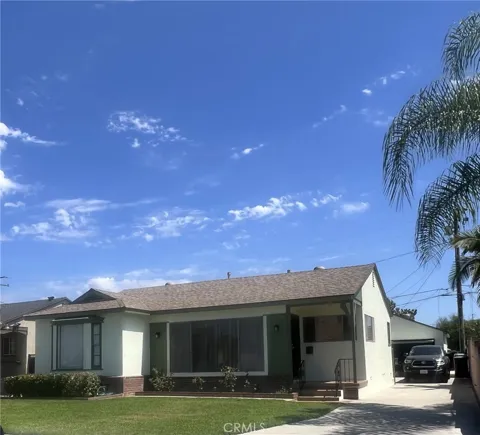
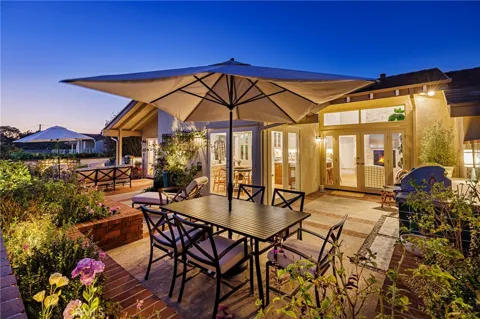
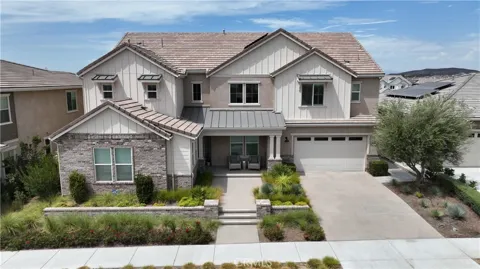
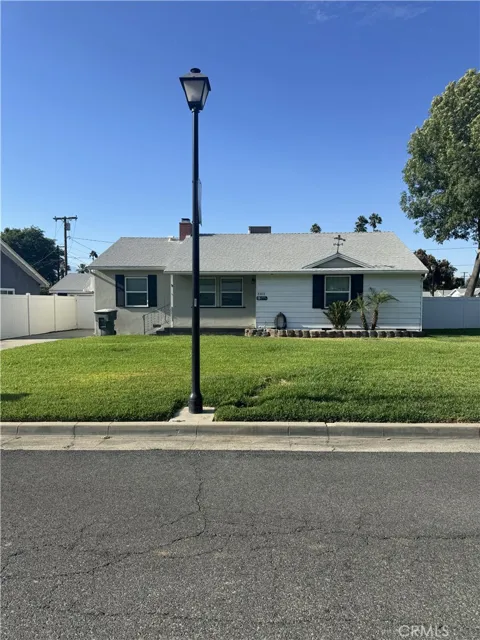
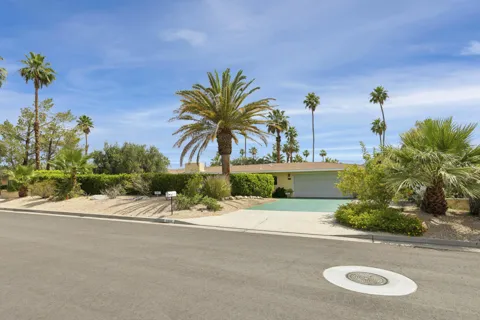
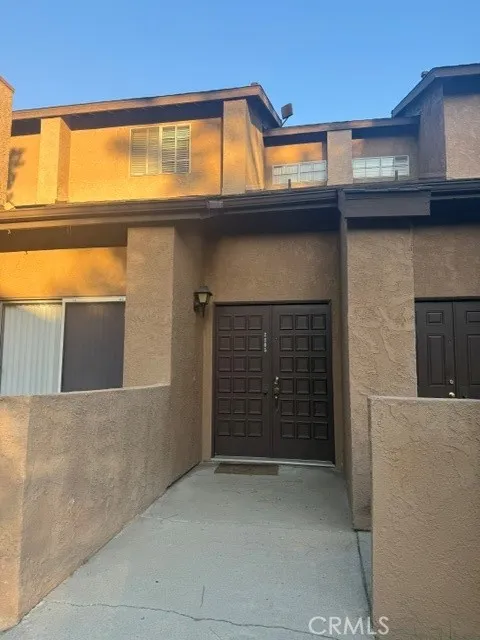
For sale
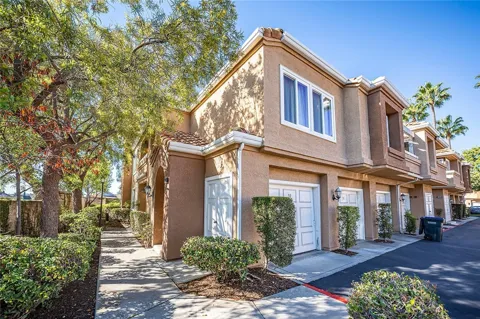
Townhomes in Desert Hot Springs, CA
Handpicked properties hitting the scene in your area.
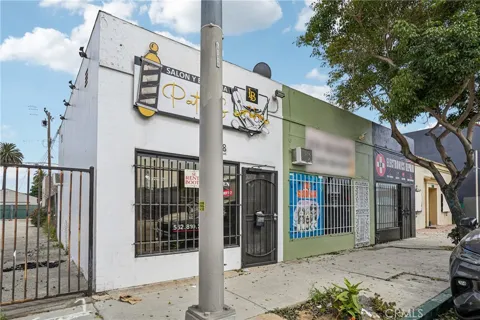
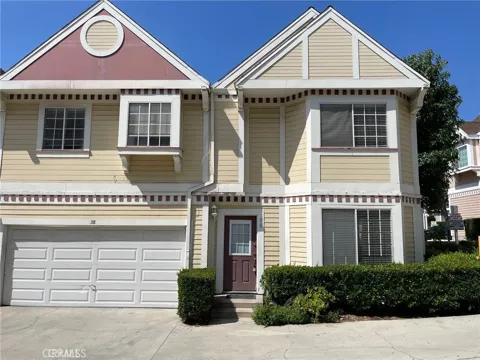
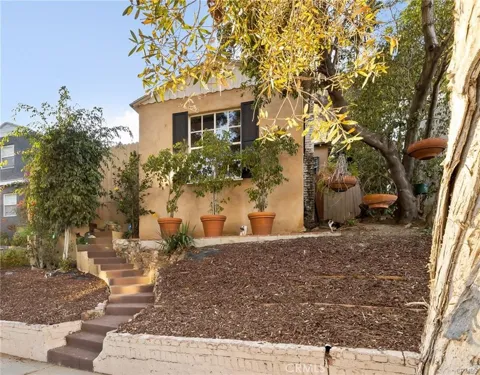
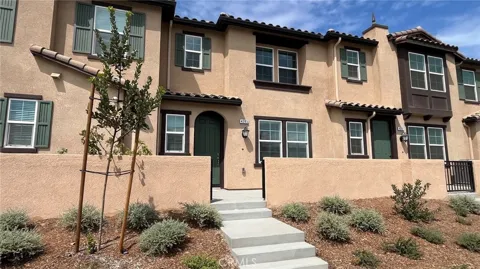
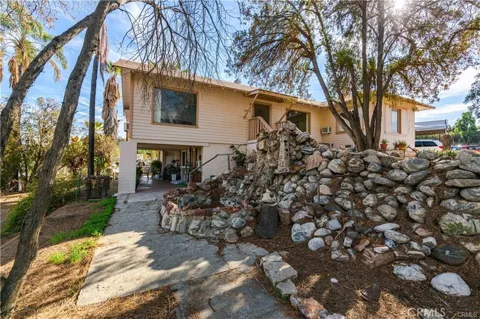
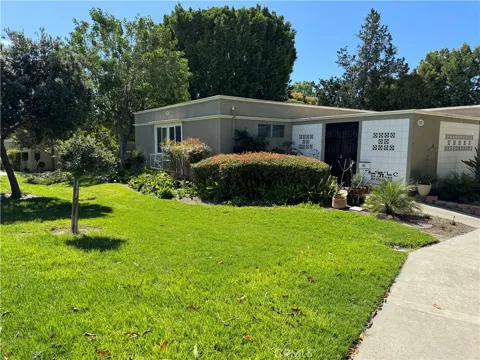
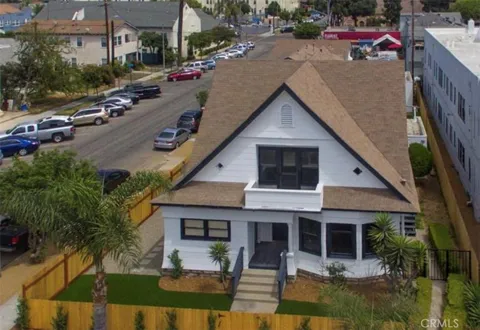
For sale
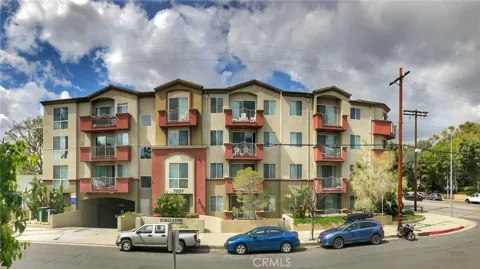
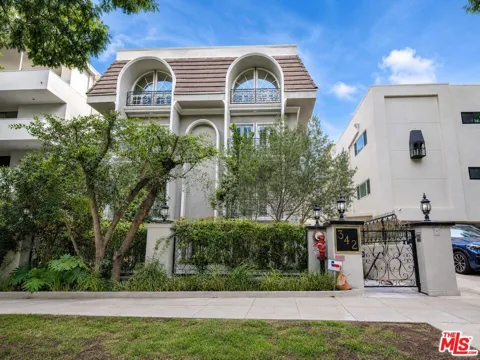
Condos in Desert Hot Springs, CA
Handpicked properties hitting the scene in your area.
Zip Codes
BROWSE BY ZIP
Browse listings by postal code in this area.
- Grid
- Map
- List
Contact us
Jessie Espinosa | Century 21 Select Real Estate, Turlock
1351 Geer Road, Ste. 103 Turlock, CA 95380
City Guide
About Desert Hot Springs
Real Estate & Housing
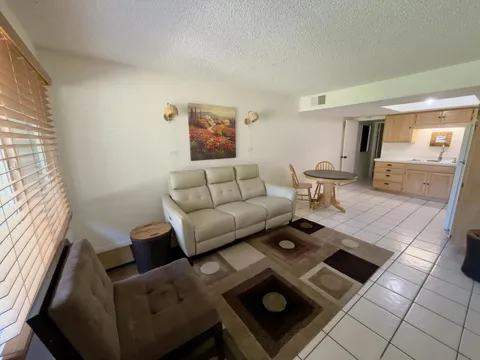
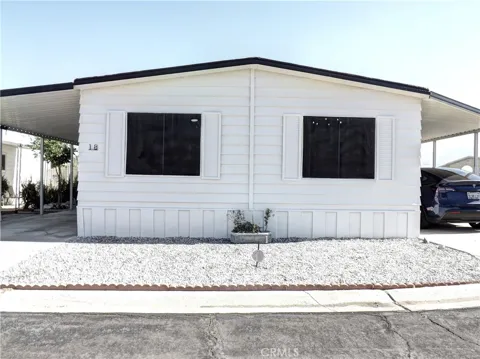
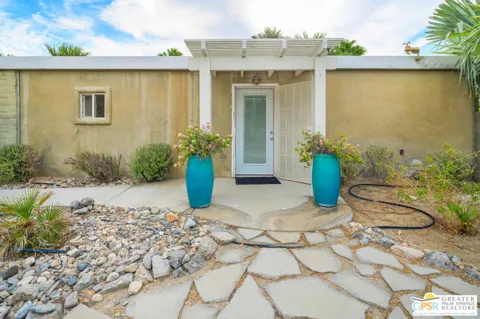
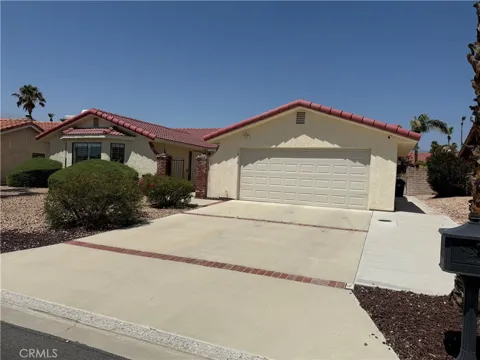
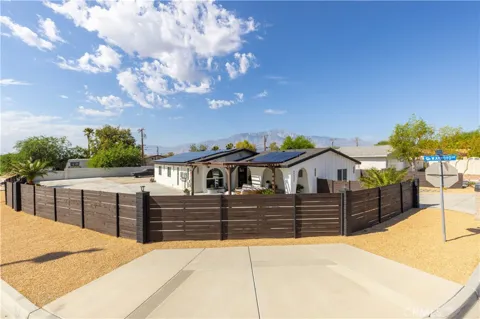
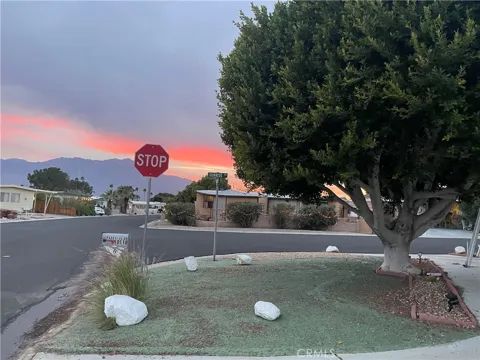
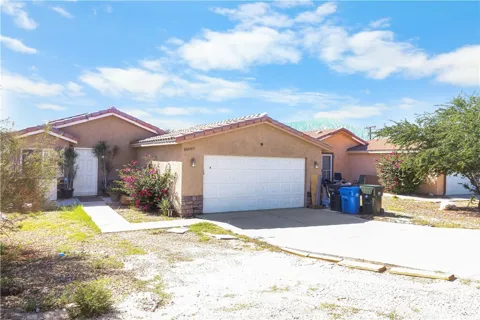
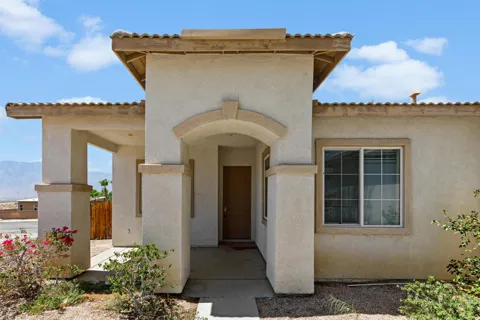
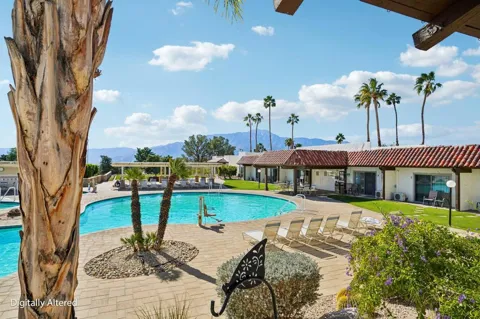
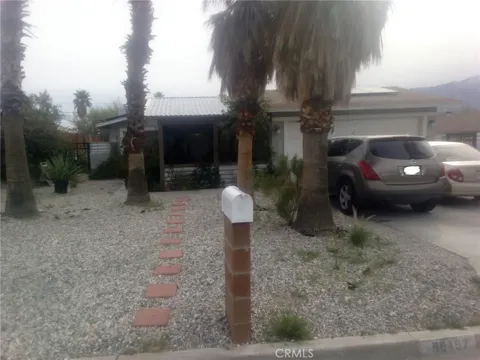
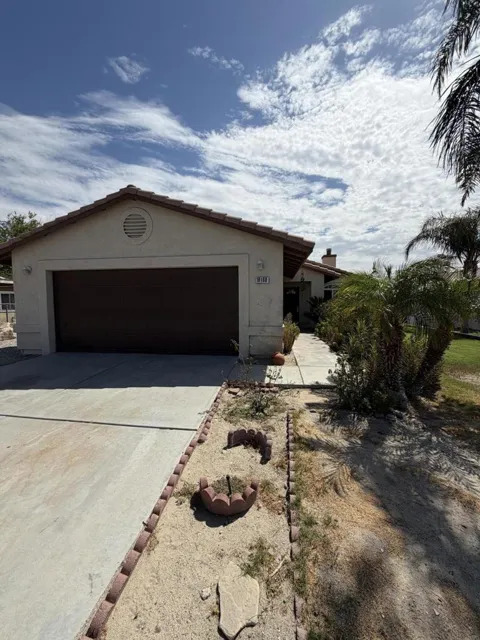
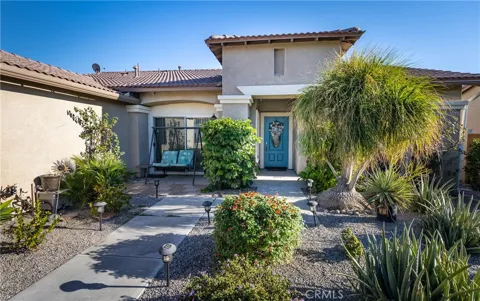
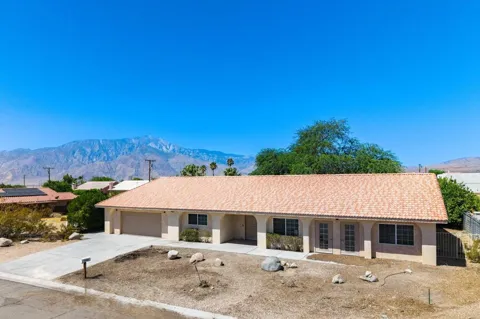
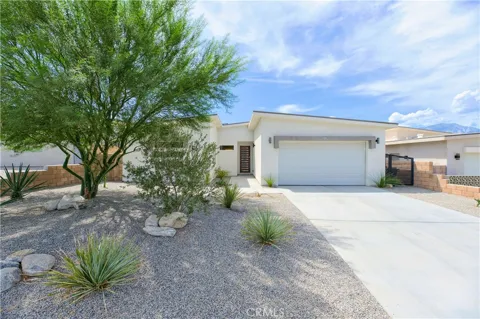
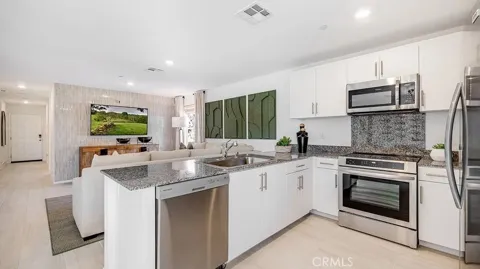
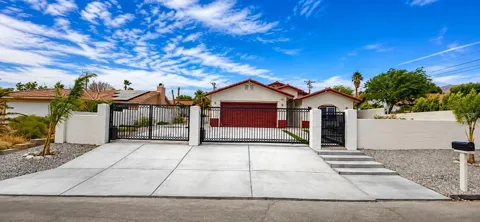
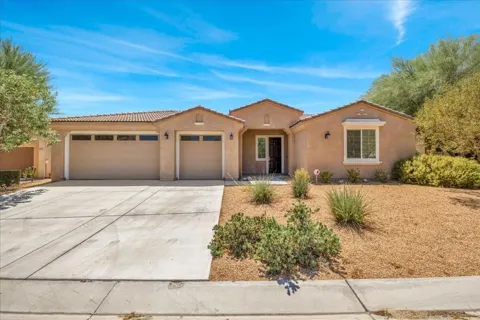
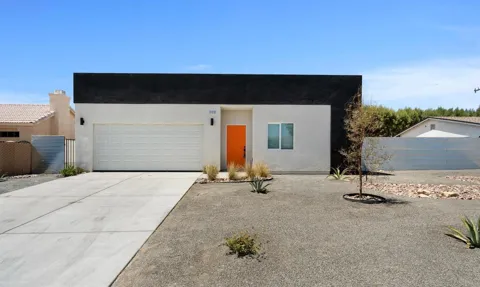
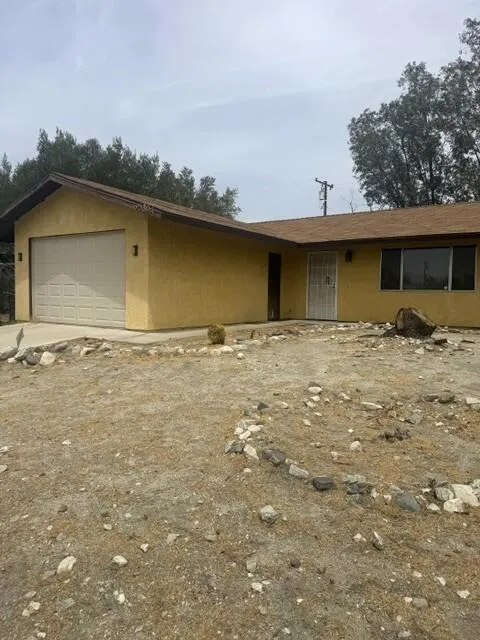
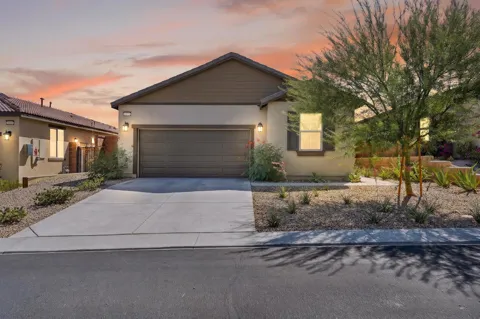
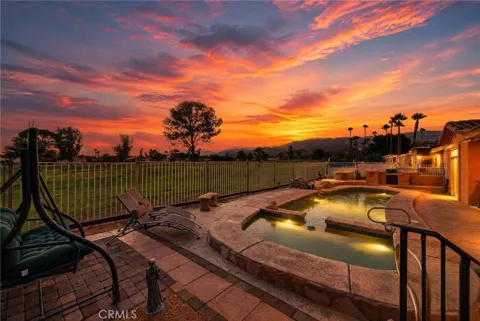
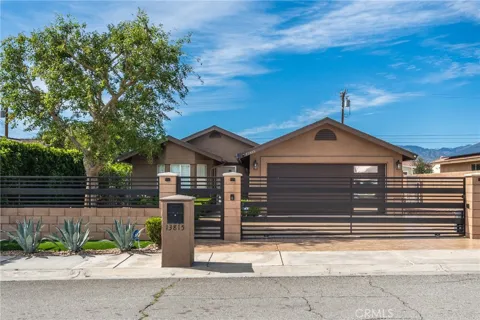
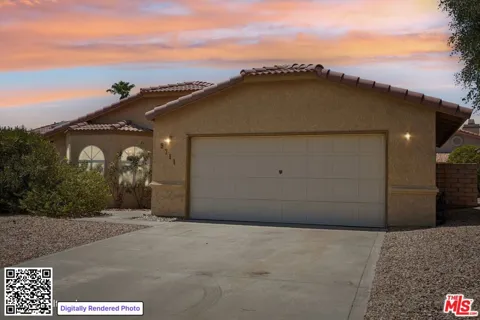
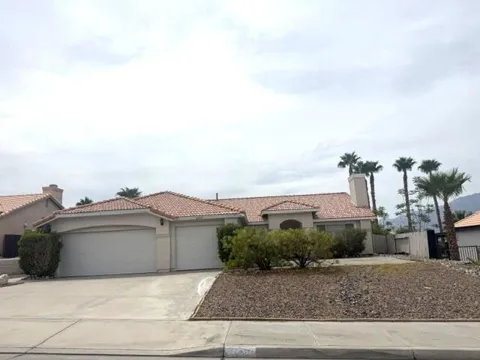
Desert Hot Springs' housing stock reflects its evolution from a homesteading community into a Coachella Valley residential city. The market includes mid-century and older desert ranch homes, newer single-family subdivisions, and gated communities such as Skyborne, along with active-adult and golf-oriented neighborhoods like Four Seasons and Mission Lakes. Compared with Palm Springs to the south, the city has generally offered more attainable single-family homes, drawing residents seeking desert living at lower price points. The mix of eras and community types—from vintage homes to resort-style developments—gives buyers a broad range within a compact valley city.
Neighborhoods
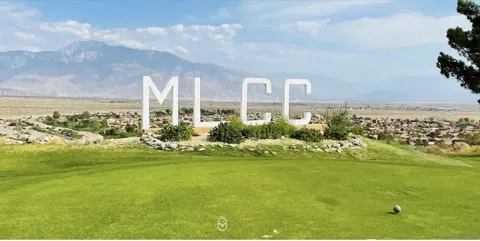
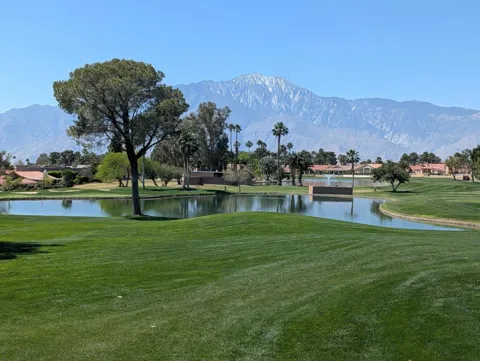
Desert Hot Springs' neighborhoods span established desert subdivisions and newer planned communities. Desert Hot Springs Estates and the Upper West Side hold older, established homes, while gated communities such as Skyborne offer newer construction. Four Seasons and Mission Lakes provide active-adult and golf-oriented living with resort amenities. Areas such as Gene Autry, Garnet, and Desert Hot Springs Highlands round out the residential landscape, which spreads across the valley floor and up toward the foothills. The city's spa and resort properties add a distinctive lodging-and-wellness layer alongside its residential neighborhoods.
Lifestyle in Desert Hot Springs
Life in Desert Hot Springs is defined by wellness, desert scenery, and its position between Palm Springs and Joshua Tree. The city's mineral waters have supported a spa and resort culture for decades, with numerous hot-springs inns and day spas drawing both residents and visitors. Cabot's Pueblo Museum, a hand-built adobe structure created by homesteader Cabot Yerxa, anchors the local heritage story. Dining and nightlife are concentrated a short drive south in Palm Springs, while the high desert and national park to the north offer quieter, open-landscape living. The result is a relaxed, rejuvenation-oriented community with access to the broader Coachella Valley's cultural calendar.
Schools & Education
Desert Hot Springs public schools are part of the Palm Springs Unified School District (PSUSD), one of three districts serving the Coachella Valley. PSUSD covers the western half of the valley, including Palm Springs, Cathedral City, and Desert Hot Springs, and operates schools within the city, such as Bella Vista Elementary. The district serves a diverse student population across its campuses and is the primary public education provider for the city's families. Higher education and specialized programs are accessible elsewhere in the valley, including College of the Desert, giving residents a range of educational options within the region.
Getting Around
Desert Hot Springs sits in the northern Coachella Valley with convenient regional access. State Route 62 runs through the city and leads north and east toward Joshua Tree National Park and the high desert communities of Yucca Valley and Twentynine Palms. Palm Springs, about 10 miles to the south, is reached via routes such as Gene Autry Trail and Indian Canyon Drive, and Palm Springs International Airport provides commercial air service nearby. Interstate 10 lies to the south of the valley, connecting the area toward Los Angeles to the west and the Arizona border to the east. This road network makes the city a practical base across the valley.
Parks & Recreation
Recreation in Desert Hot Springs begins with its namesake resource: the city's hot mineral springs and the many spas, resorts, and day-use soaking facilities built around them. Beyond the water, the surrounding desert offers abundant outdoor activity. Joshua Tree National Park lies a short drive north along State Route 62, with hiking, rock climbing, and iconic Joshua tree landscapes, while the Palm Springs Aerial Tramway and the nearby Big Morongo Canyon Preserve add mountain and wildlife experiences. The city's parks provide neighborhood recreation, and the broader Coachella Valley offers golf, tennis, and cultural events within easy reach.
About Desert Hot Springs
Frequently asked questions
What county is Desert Hot Springs in?
Desert Hot Springs is located in Riverside County, California, in the Coachella Valley. It sits about 10 miles north of Palm Springs and roughly a two-hour drive east of Los Angeles, near the northern entrance to Joshua Tree National Park.
What is Desert Hot Springs known for?
Desert Hot Springs is best known for its natural hot mineral springs. The city sits on the Mission Creek Fault, where a hot-water aquifer and a cold-water aquifer run side by side, a rare geological setting that has supported a long tradition of spas, resorts, and wellness destinations.
What school district serves Desert Hot Springs?
Public schools in Desert Hot Springs are part of the Palm Springs Unified School District, which serves the western half of the Coachella Valley, including Palm Springs, Cathedral City, and Desert Hot Springs. The district operates schools within the city and across the surrounding area.
How far is Desert Hot Springs from Palm Springs?
Desert Hot Springs is about 10 miles north of Palm Springs, reached via routes such as Gene Autry Trail and Indian Canyon Drive. Palm Springs International Airport is a short drive to the south, and the city sits along State Route 62, which leads north and east toward Joshua Tree National Park and Yucca Valley.
What are the main neighborhoods in Desert Hot Springs?
Desert Hot Springs neighborhoods include Desert Hot Springs Estates, the gated Skyborne community, Gene Autry, Garnet, Desert Hot Springs Highlands, and active-adult and golf communities such as Four Seasons and Mission Lakes. The city offers a mix of older desert homes, newer subdivisions, and resort-oriented communities.
Still have questions about Desert Hot Springs?
Get in touchExplore the area