Mid-Century Desert Resort Capital
About Palm Springs, CA
Welcome to Palm Springs, the Riverside County desert resort city known for its mid-century modern architecture, the Aerial Tramway, and a sun-drenched setting at the foot of the San Jacinto Mountains.
Palm Springs is a resort city in Riverside County, California, set in the Coachella Valley at the foot of the San Jacinto Mountains. Its dramatic setting—a desert floor ringed by mountains that rise abruptly to nearly 11,000 feet—has made it a destination for more than a century, from its early days as a winter retreat for Hollywood figures to its modern role as a global center for architecture, design, and leisure. The city's population of roughly 45,000 swells with visitors and seasonal residents drawn by the warm, dry climate and abundant sunshine. Palm Springs is internationally known for its concentration of mid-century modern architecture, one of the largest and most significant collections in the world. Neighborhoods such as Vista Las Palmas, Twin Palms, Deepwell Estates, Old Las Palmas, and Racquet Club Estates preserve the work of architects and builders—including the Alexander Construction Company and designers like William Krisel and Donald Wexler—whose butterfly roofs, breeze-block walls, and glass-walled living rooms came to define a style. This architectural legacy, once the playground of Hollywood celebrities, is now celebrated through Modernism Week, home tours, and a thriving preservation culture. The city's recreation and tourism economy is anchored by the Palm Springs Aerial Tramway, the world's largest rotating tram car, which carries riders more than two and a half miles up the cliffs of Chino Canyon to the pine forests and alpine trails of Mount San Jacinto State Park. Downtown, Palm Canyon Drive offers a walkable corridor of vintage boutiques, galleries, hotels, and restaurants, and the broader Coachella Valley adds major events, golf, and resort amenities. Palm Springs serves as both a year-round community and a seasonal home, with a strong retiree and second-home presence alongside a growing base of full-time residents. Palm Springs Unified School District provides public education, and Palm Springs International Airport, just east of downtown, offers direct air access that reinforces the city's standing as one of the West's signature resort destinations.

MARKET SNAPSHOT
The Market at a Glance
How homes have been selling here over the last 90 days.
Price & Sales History
Market data reflects closed sales over the last 90 days and is provided for informational purposes.
For sale
Houses in Palm Springs, CA
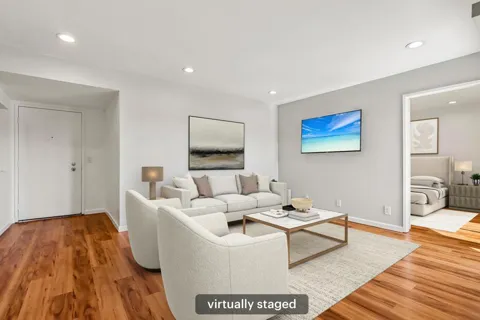
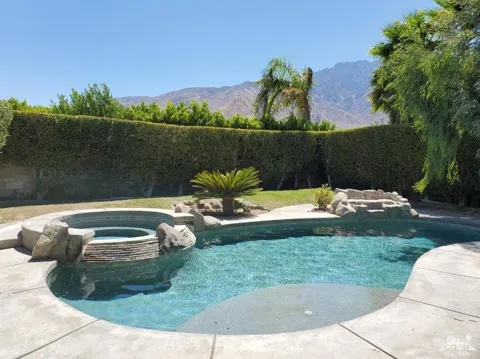
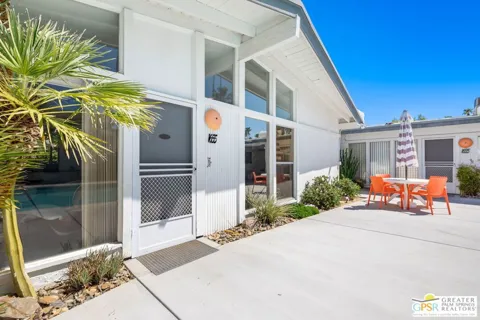
Handpicked properties hitting the scene in your area.
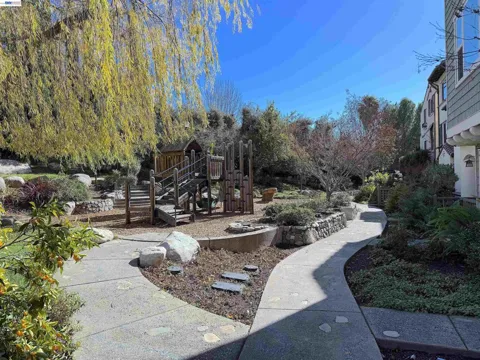
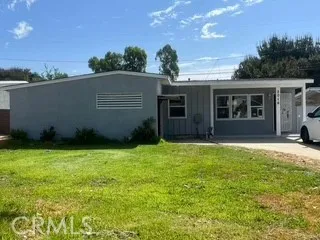
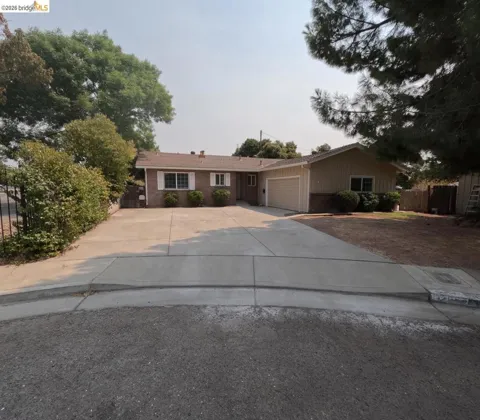
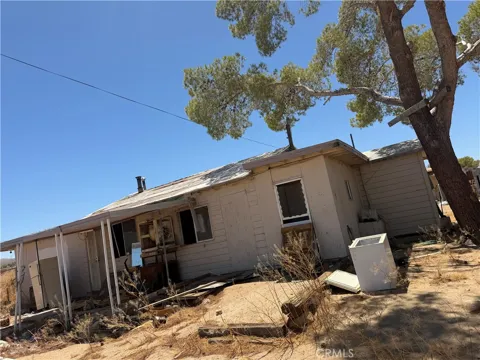
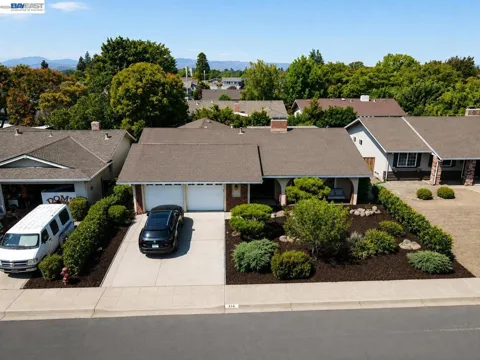
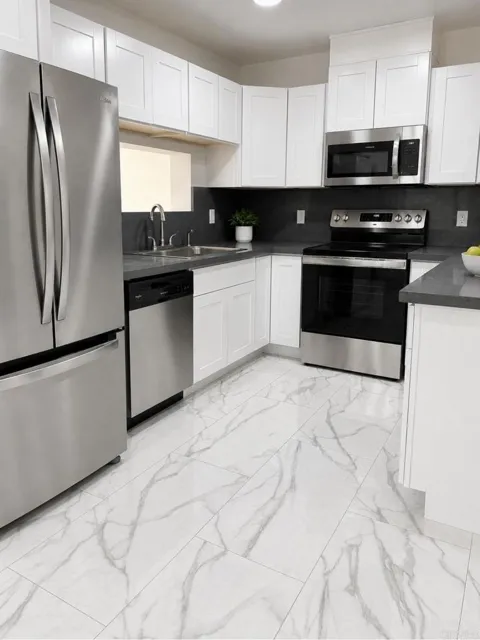
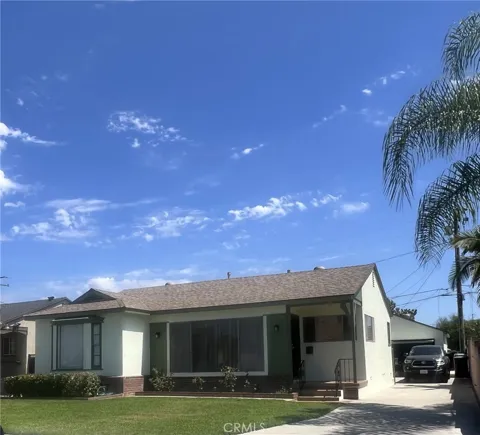
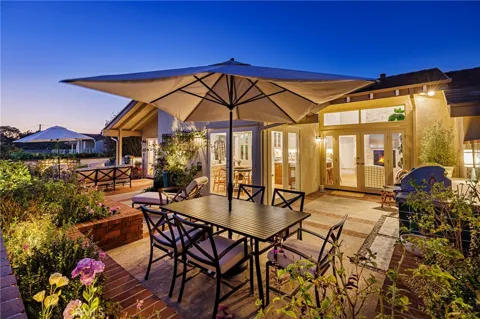
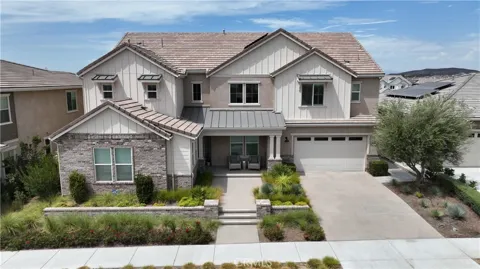
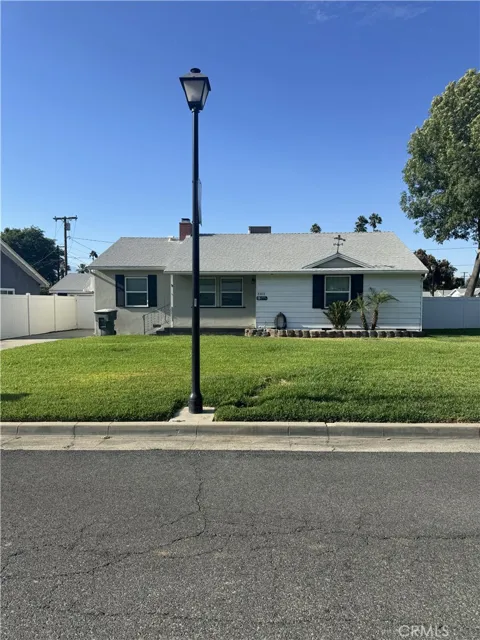
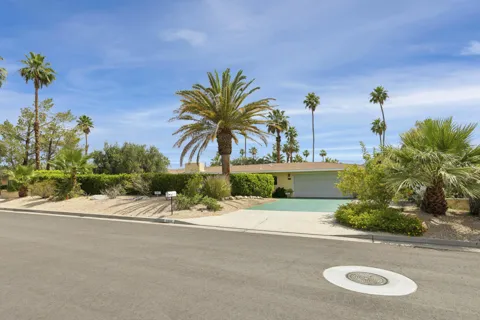
For sale
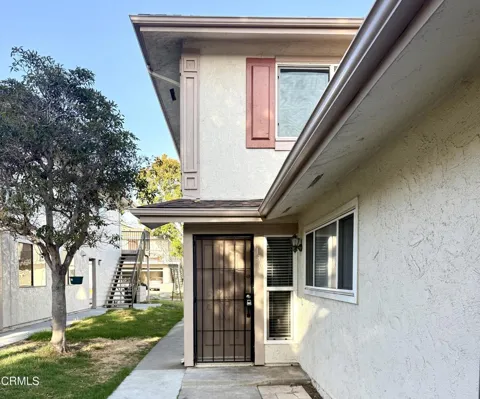
Townhomes in Palm Springs, CA
Handpicked properties hitting the scene in your area.
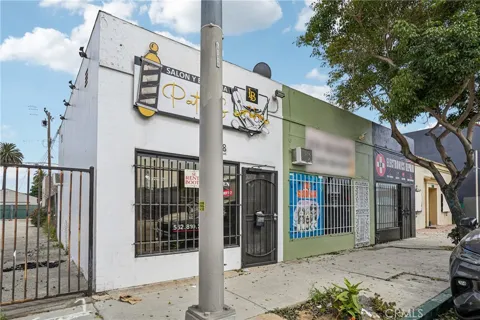
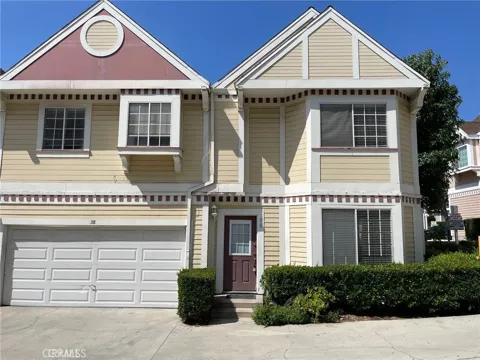
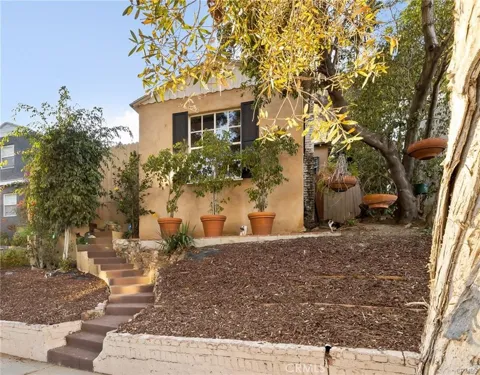
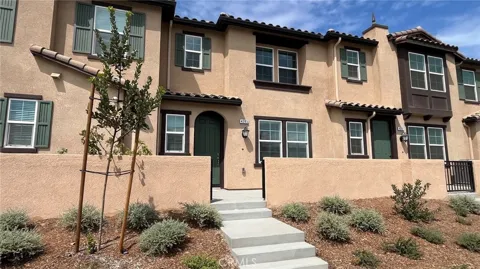
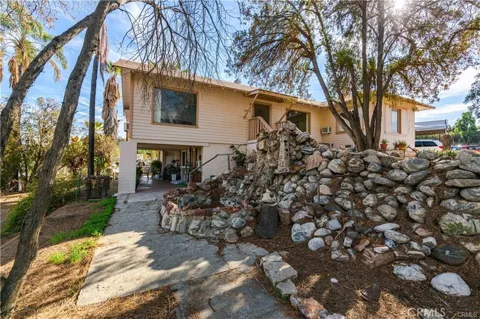
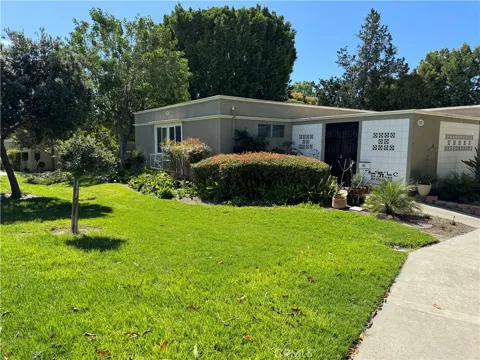
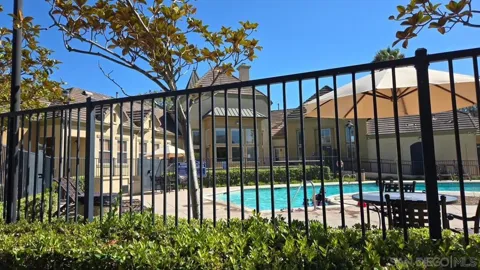
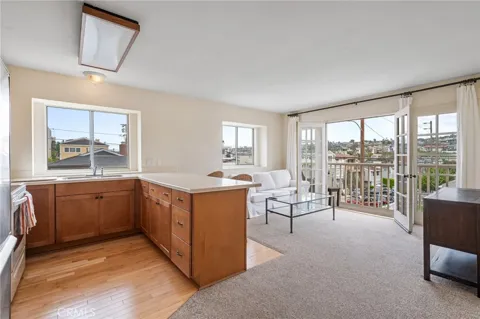
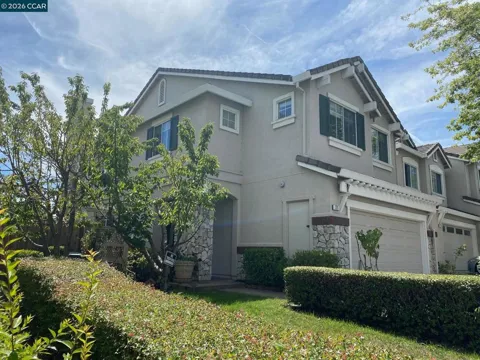
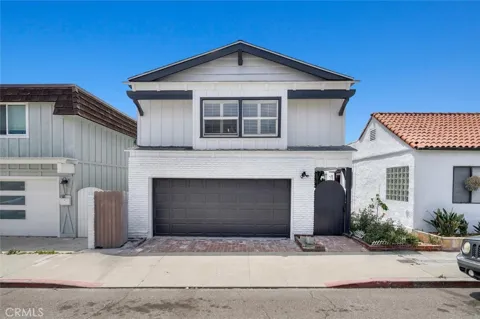
For sale
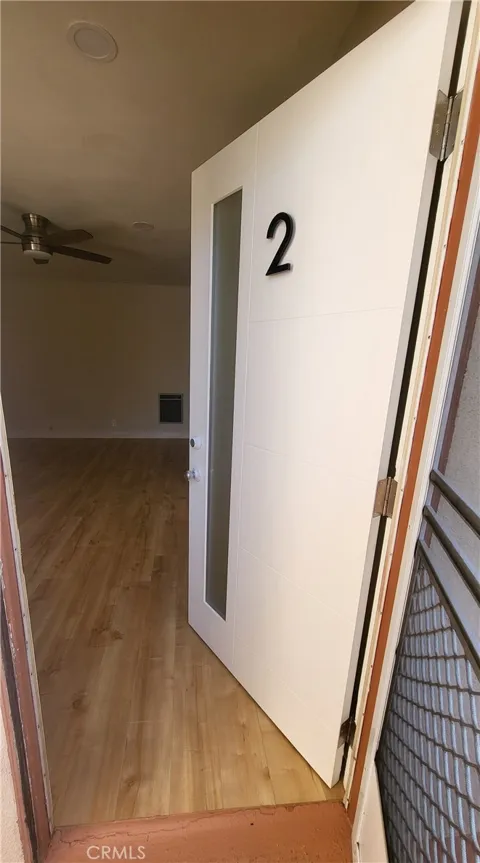
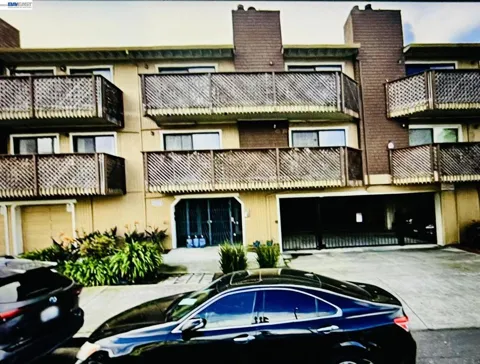
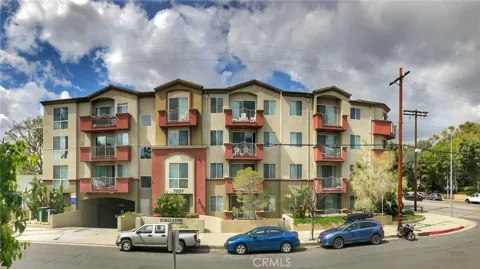
Condos in Palm Springs, CA
Handpicked properties hitting the scene in your area.
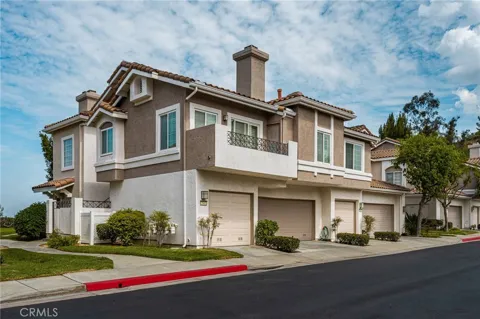
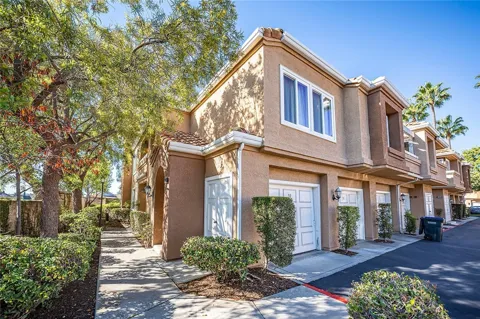
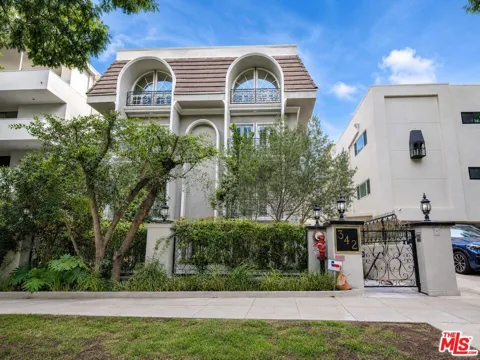
Zip Codes
BROWSE BY ZIP
Browse listings by postal code in this area.
- Grid
- Map
- List
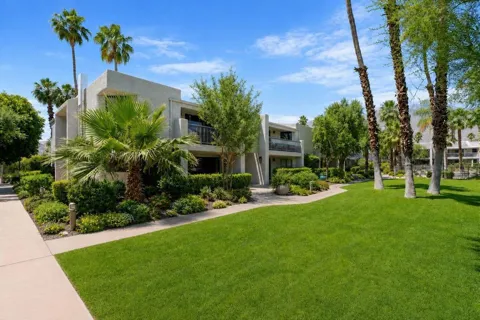
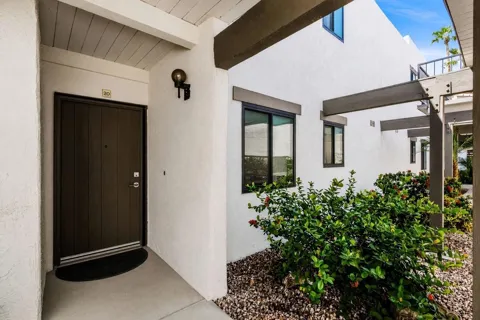
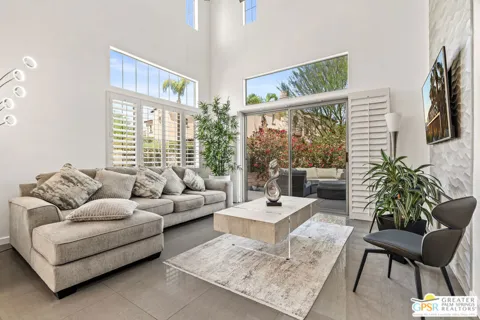
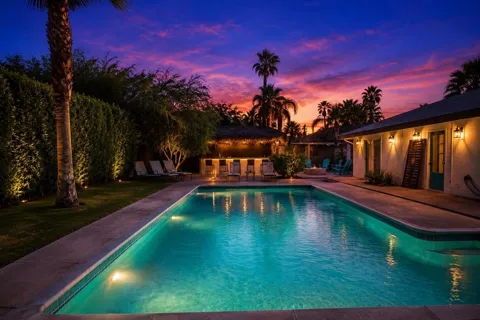
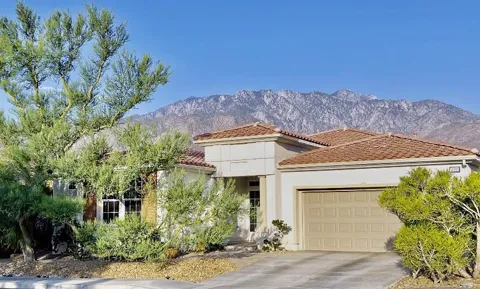
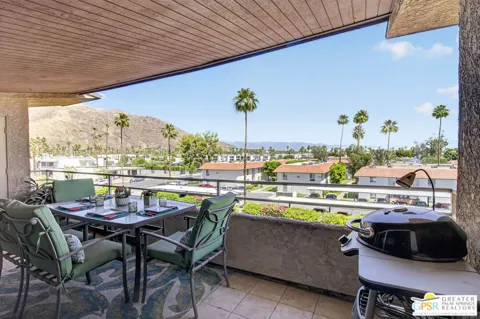
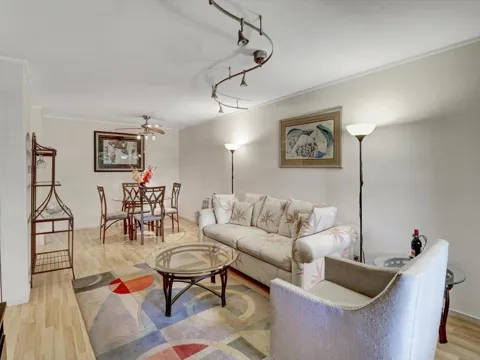
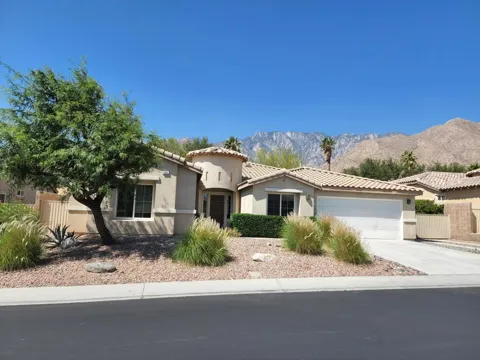
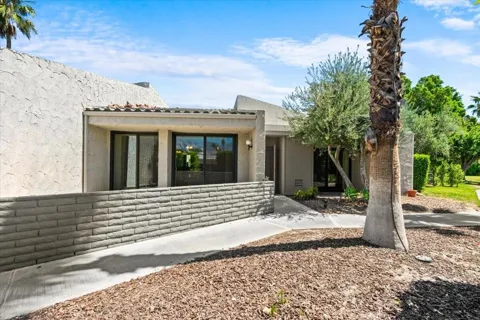
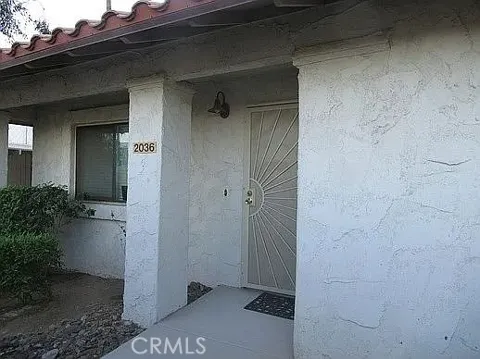
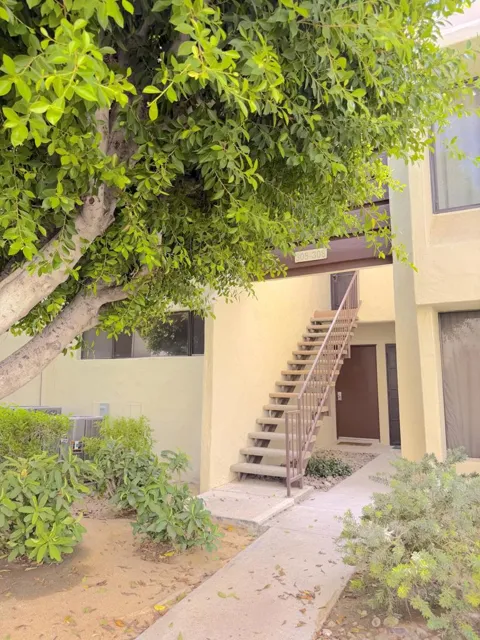
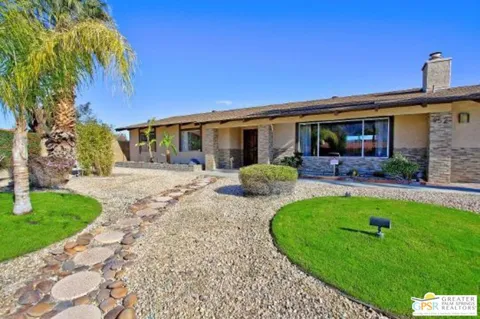
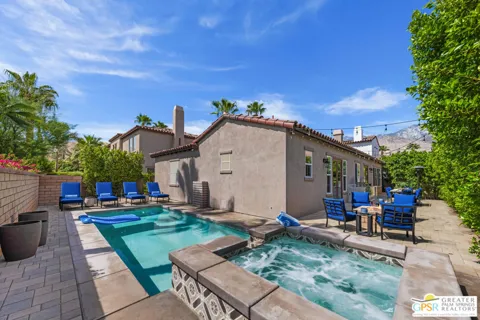
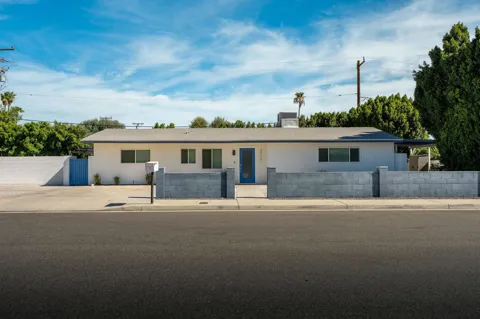
Contact us
Jessie Espinosa | Century 21 Select Real Estate, Turlock
1351 Geer Road, Ste. 103 Turlock, CA 95380
City Guide
About Palm Springs
Real Estate & Housing
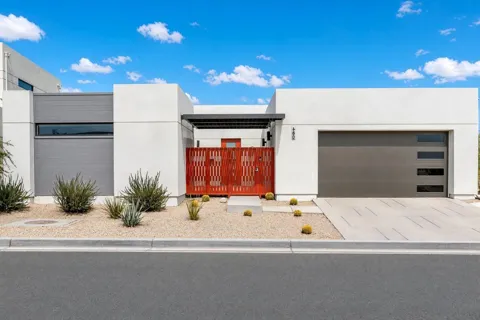
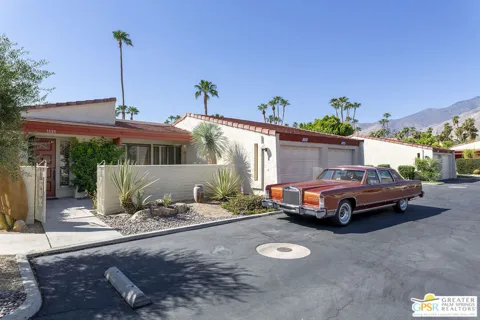
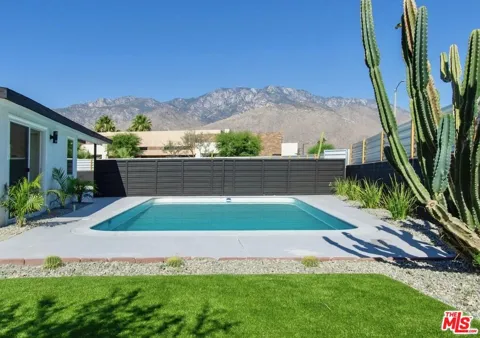
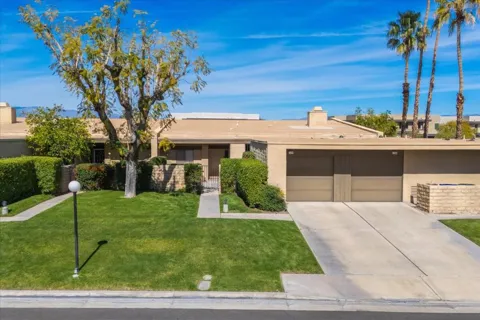
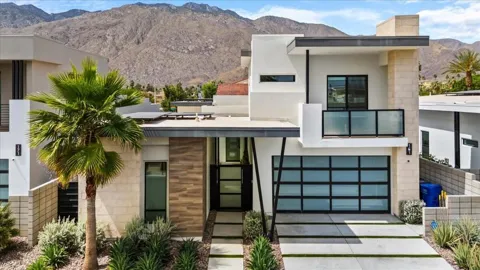
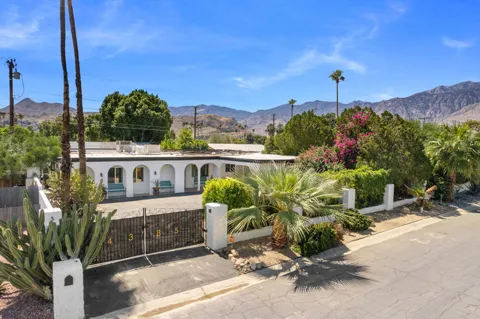
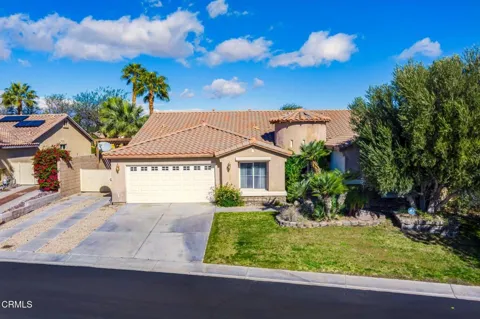
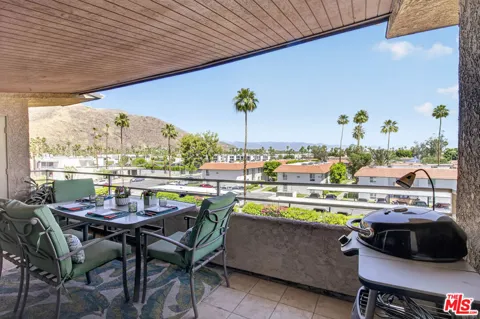
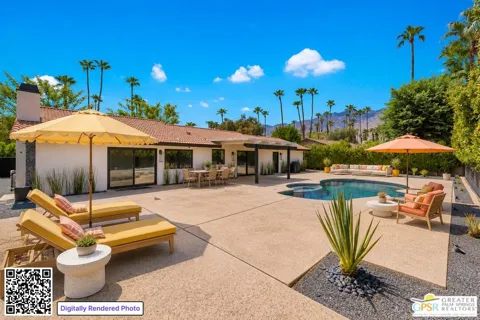
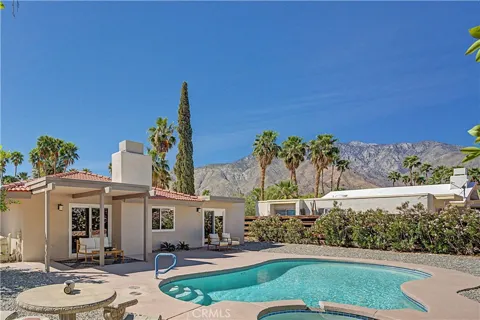
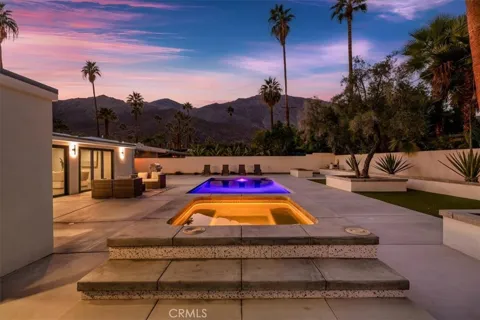
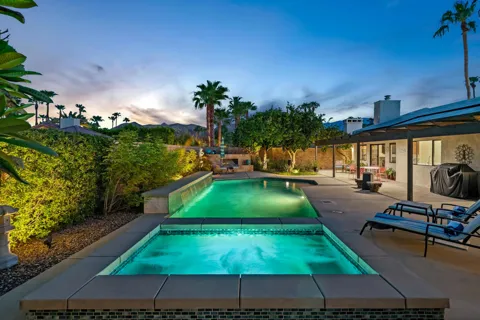
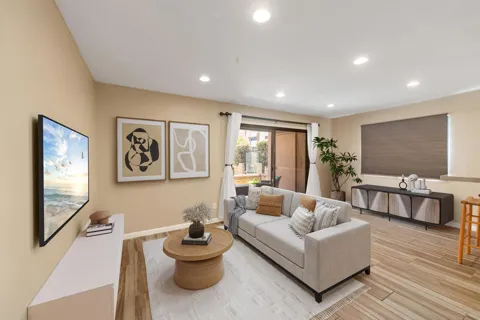
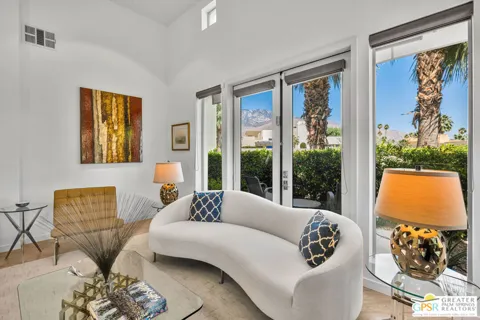
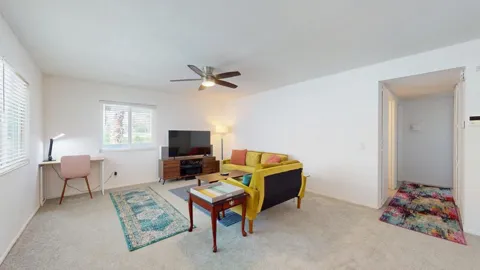
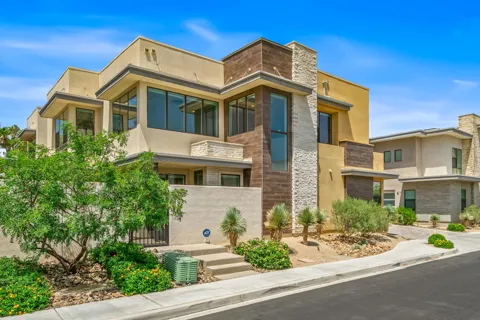
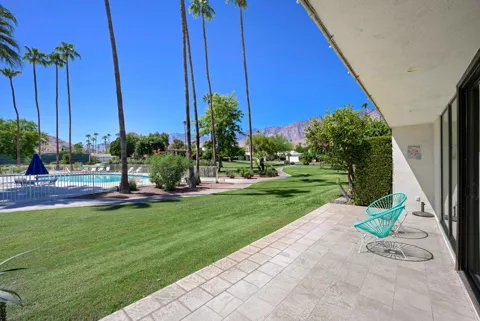
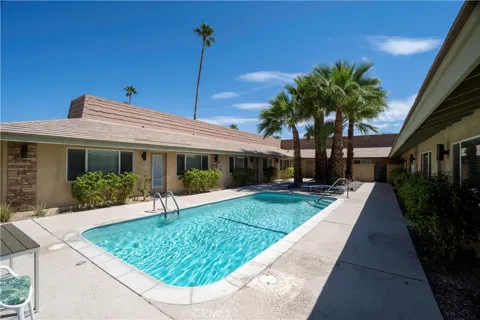
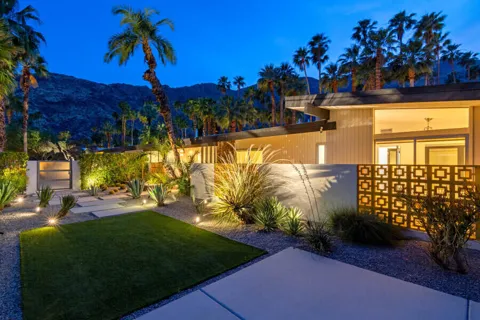
Palm Springs' housing market is inseparable from its architecture. The city is a global landmark for mid-century modern design, and its historic neighborhoods contain a remarkable concentration of restored Alexander, Krisel, and Wexler homes, many with pools, mountain views, and carefully preserved period details. These architecturally significant properties form a distinct, highly sought segment of the market. Beyond them, the city offers a range of other housing: Spanish and ranch-style homes, gated communities, condominiums, and resort-style developments, along with rental and vacation-oriented properties tied to the tourism economy. The emphasis on design, indoor-outdoor living, and desert landscaping defines the local housing character, with pools and mountain backdrops as common features across much of the city.
Neighborhoods
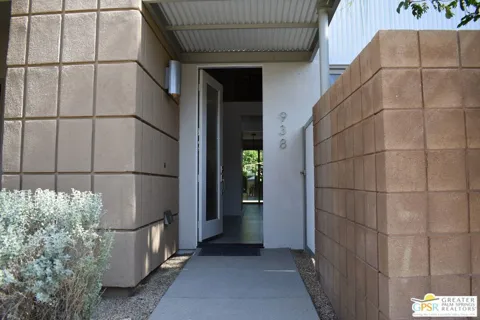
Palm Springs' neighborhoods are among the most architecturally significant in the country. Vista Las Palmas, Twin Palms, and Deepwell Estates form the core of the city's mid-century modern legacy, with cohesive streetscapes of butterfly roofs and breeze-block walls built largely in the 1950s and 1960s. Old Las Palmas and the Movie Colony area reflect the city's earlier celebrity era, with larger estates and historic homes. Racquet Club Estates is one of the largest Alexander-built mid-century neighborhoods. The downtown area along Palm Canyon Drive provides a walkable commercial and hotel district, while gated communities and newer developments spread across the city's southern and eastern edges. This layering—from historic celebrity estates to design-forward mid-century tracts—defines Palm Springs' residential geography.
Lifestyle in Palm Springs
Palm Springs offers a resort lifestyle shaped by sunshine, design, and the outdoors. Life centers on the city's pools, golf courses, and patios, with an active culture of hiking, tennis, and cycling against a dramatic mountain backdrop. The architecture and design scene—celebrated through Modernism Week and ongoing preservation—is woven into daily life, while downtown's Palm Canyon Drive provides restaurants, galleries, and vintage shopping. The broader Coachella Valley adds major festivals, events, and resort amenities, and the Aerial Tramway offers a quick escape to alpine forest. The city attracts a mix of retirees, second-home owners, and a growing creative and professional community, all drawn to a relaxed, sun-drenched pace that remains among the most distinctive in California.
Schools & Education
Palm Springs is served by the Palm Springs Unified School District, which operates schools across the western Coachella Valley, including campuses in Palm Springs, Cathedral City, Rancho Mirage, Desert Hot Springs, and surrounding areas. Schools serving the city include Palm Springs High School and a network of elementary and middle schools assigned by attendance zone. The district offers a range of academic, arts, and athletic programs. Because the district covers a broad geographic area, families relocating to Palm Springs typically verify the specific schools tied to an address. Private and charter schools in the Coachella Valley, along with College of the Desert in nearby Palm Desert, add further educational options.
Getting Around
Palm Springs International Airport lies just east of downtown, giving the city unusually direct air access for a community of its size and reinforcing its resort economy. Interstate 10 runs along the northern edge of the valley, connecting Palm Springs west toward Los Angeles and east toward Arizona, while Highway 111 serves as the valley's local corridor. SunLine Transit Agency operates bus service across the Coachella Valley, including routes through Palm Springs. Within the city, the street grid and the walkable downtown make many destinations reachable on foot or by bicycle, particularly in the central neighborhoods. For most residents, personal vehicles are the primary means of travel, with the freeway and airport providing the principal links to the broader region.
Parks & Recreation
The Palm Springs Aerial Tramway is the city's signature recreation experience, rising from Chino Canyon to the alpine terrain of Mount San Jacinto State Park, where trails and snow access await in season. The city's many golf courses, tennis facilities, and pools support a resort lifestyle, while the surrounding mountains offer hiking, climbing, and dramatic desert scenery. Downtown's Palm Canyon Drive and the city's design and architecture scene—celebrated through Modernism Week—provide cultural recreation, and the Coachella Valley adds festivals, events, and additional resorts. The combination of desert-floor warmth and high-mountain escape, all within minutes of town, gives Palm Springs a recreational range that few small cities can match.
About Palm Springs
Frequently asked questions
What county is Palm Springs in?
Palm Springs is in Riverside County, California, in the Coachella Valley at the foot of the San Jacinto Mountains. It is one of the principal cities of the Coachella Valley, located along Highway 111 and Interstate 10 about 100 miles east of Los Angeles.
What is Palm Springs known for?
Palm Springs is known for its world-renowned concentration of mid-century modern architecture, its history as a Hollywood celebrity retreat, the Palm Springs Aerial Tramway, and its warm desert climate. The city is a major destination for design enthusiasts, golfers, and those seeking a resort lifestyle in the Coachella Valley.
What school district serves Palm Springs?
Palm Springs is served by the Palm Springs Unified School District, which operates schools across the western Coachella Valley, including Palm Springs, Cathedral City, Rancho Mirage, and Desert Hot Springs. Schools serving the city include Palm Springs High School and assigned elementary and middle schools. Families should verify specific attendance zones.
Does Palm Springs have an airport?
Yes. Palm Springs International Airport is located just east of downtown Palm Springs and offers commercial flights that connect the Coachella Valley to destinations across North America. Its proximity to the city is a significant convenience for residents and visitors alike.
What are the famous mid-century modern neighborhoods in Palm Springs?
Palm Springs' iconic mid-century modern neighborhoods include Vista Las Palmas, Twin Palms, Deepwell Estates, Old Las Palmas, and Racquet Club Estates. Many homes in these areas were built by the Alexander Construction Company using designs by architects such as William Krisel and Donald Wexler, featuring butterfly roofs and glass-walled living rooms.
Still have questions about Palm Springs?
Get in touchExplore the area